Super Metroid 30th Anniversary: How the SNES Classic Helped Define the Metroidvania Genre
Super Metroid, one of the SNES library's most influential titles, marked its 30th anniversary in March 2024.
Originally released in Japan on March 19, 1994, the game reached North America on April 18, 1994, and Europe on July 28, 1994.
Directed by Yoshio Sakamoto and produced by Makoto Kano, Super Metroid built on the template of earlier Metroid entries on the NES and Game Boy while introducing series-level features such as an automap and a dedicated inventory screen.
Time Extension contributor Damien McFerran has described Super Metroid as widely regarded by fans as one of the SNES's finest titles.
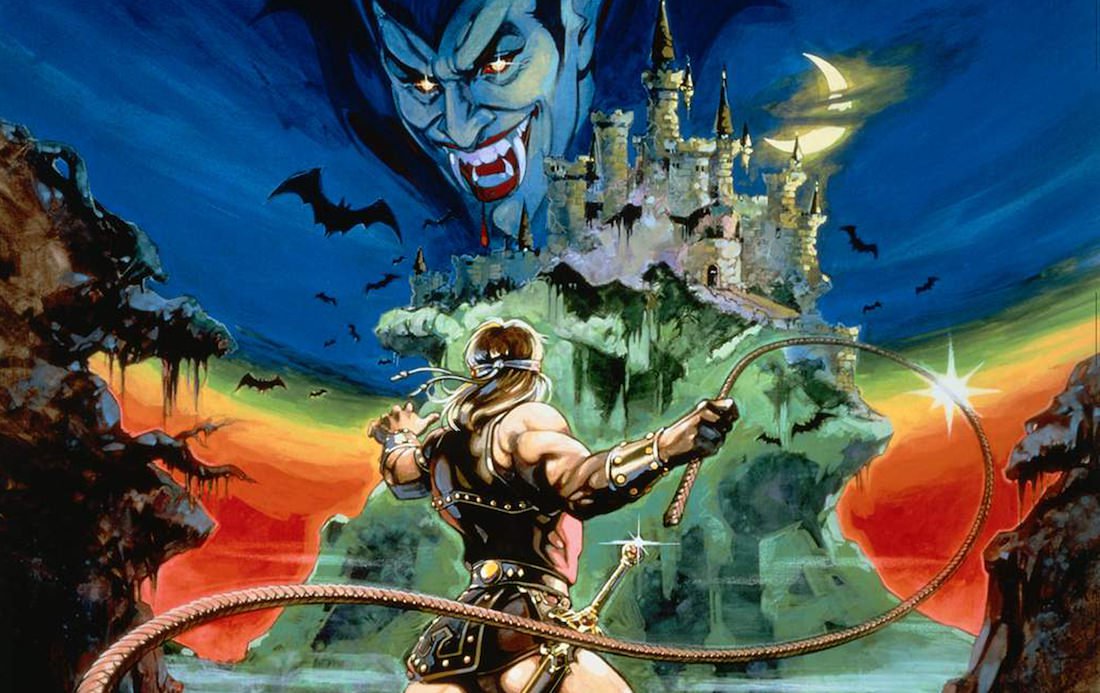
That assessment reflects the game's enduring influence: its open-ended, gear-gated level design is frequently cited as foundational to the 'Metroidvania' subgenre, a label shared with 1997's Castlevania: Symphony of the Night.
Super Metroid's design achievements are factual and well-documented.
The game refined exploration-based progression and environmental storytelling, encouraging non-linear backtracking as players acquired new abilities.
Despite critical acclaim and long-term influence on level design across industry studios, Super Metroid's lifetime sales stand at roughly 1.42 million copies, a figure that underlines the game's cultural weight even when measured against mainstream commercial benchmarks.
The Metroid franchise evolved across formats after Super Metroid.
The series moved to handhelds with titles like Metroid Fusion on the Game Boy Advance and later returned to 3D with Metroid Prime on the GameCube, which reinterpreted core Metroid mechanics in a first-person perspective.
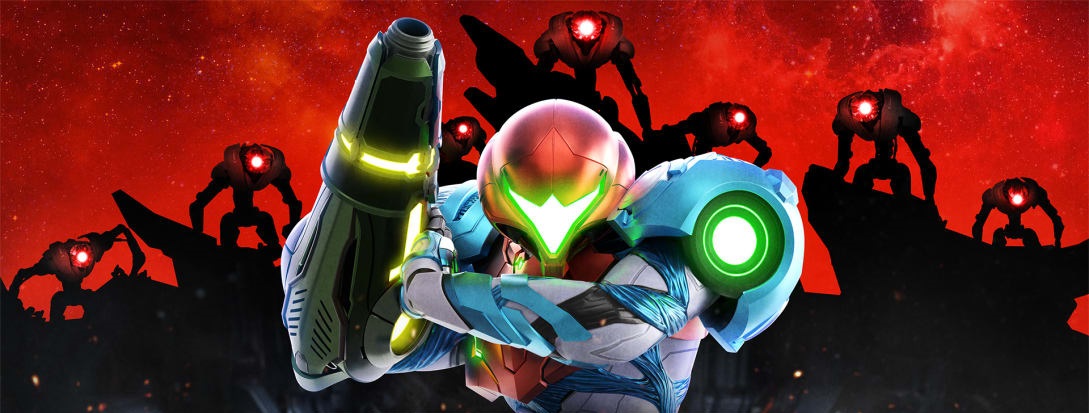
In the 2010s and 2020s, Nintendo revisited the 2D lineage with Metroid: Samus Returns for the Nintendo 3DS (2017) and Metroid Dread for the Nintendo Switch, which released in 2021.
Super Metroid's legacy continues to inform Nintendo's approach to the franchise across platforms, from handheld systems to the Nintendo Switch.
For developers and designers studying level flow and nonlinear progression, Super Metroid remains a touchstone title — a compact demonstration of how exploration, player ability upgrades, and careful world design can create enduring player engagement.
(Reported facts in this article are drawn from release records and developer credits associated with Super Metroid and subsequent Metroid franchise entries.)