Analogue Pocket NES core adds save states and wake support — openFPGA breakthrough
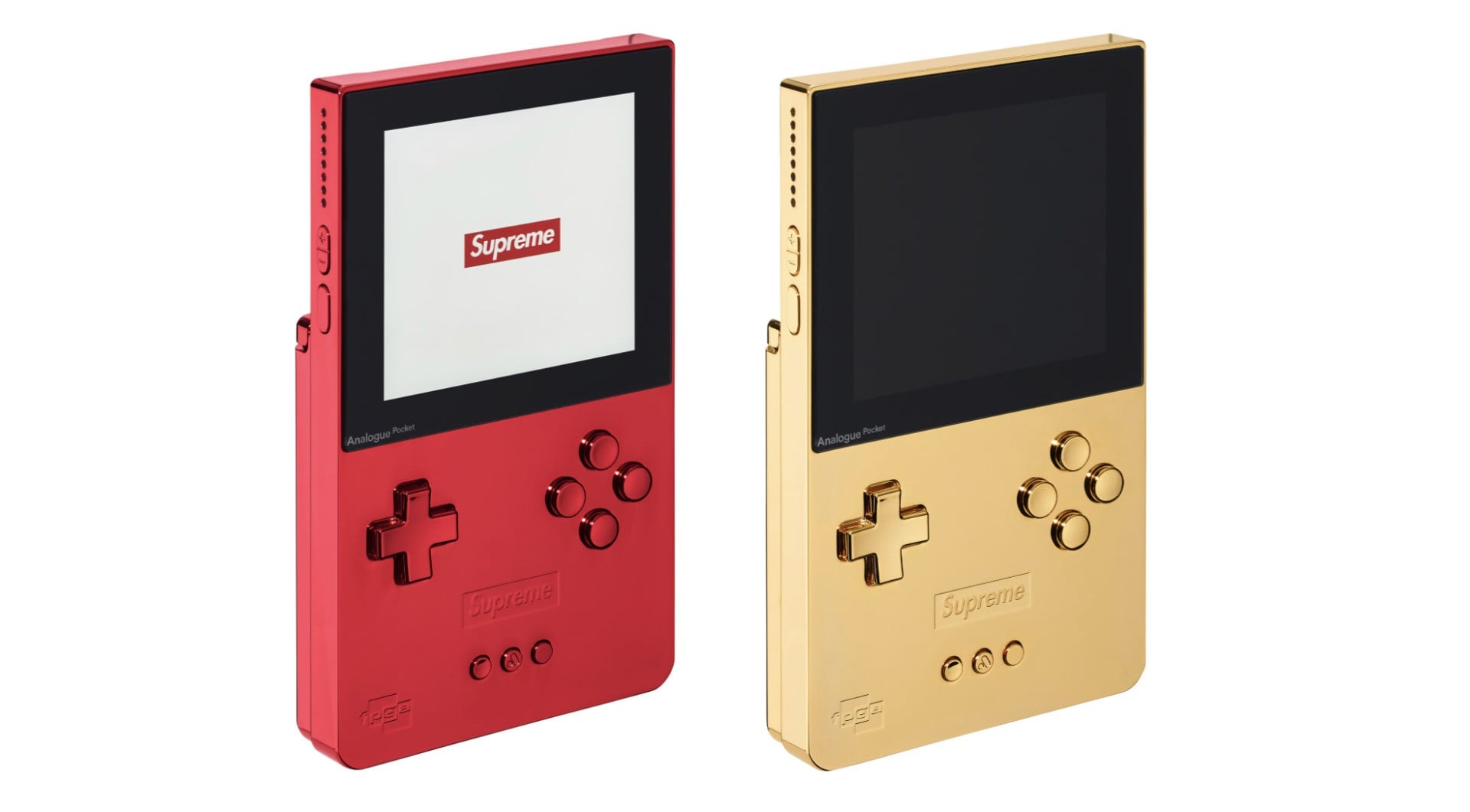
The Analogue Pocket, Analogue's FPGA-based handheld released for consumers in late 2021, has become a focal point for enthusiasts building unofficial openFPGA cores that expand the device's capabilities beyond its stock feature set.
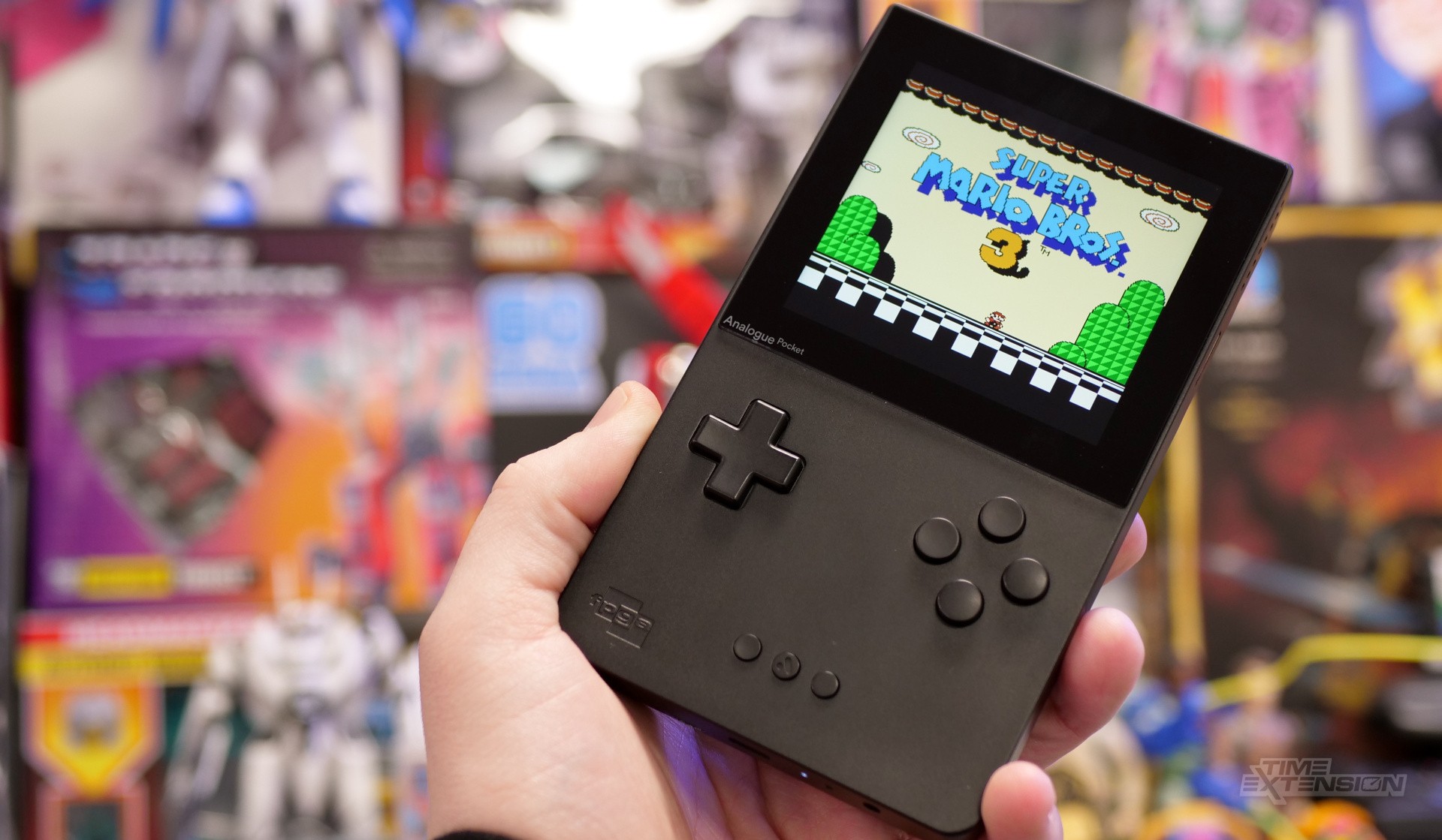
On 8 December 2022, developer Adam Gastineau — known for porting both NES and SNES openFPGA cores to the Pocket — published an updated NES core that restores two features many players had been missing: save state support and the ability to put the Pocket to sleep and resume exactly where they left off.
Background and context
Analogue established its reputation with high-fidelity FPGA hardware such as the Super Nt and Mega Sg before launching the Pocket, which supports original Game Boy cartridges and also runs community-created cores for other systems.
While Analogue's official firmware and licensed hardware typically include conveniences like screen filters, save states and suspend/resume, many unofficial openFPGA cores initially lacked those functions.
Gastineau's updated NES core addresses two of those gaps for Pocket users running community builds.
Technical effort and developer comments (rewritten)
Gastineau described the work as a substantial engineering effort involving extensive build and debug cycles to integrate the Pocket's system interface with the NES core.
He said he invested more than a hundred hours troubleshooting the implementation and test cases, and that the final blocker turned out to be a single line of code.
In his words, the task required repeated refinement of both the core and its test harness before the save/wake functionality behaved reliably on-device.
What this means for openFPGA development
The updated NES core is available for download from Gastineau's release page, and it represents a meaningful step toward feature parity between community cores and the conveniences players expect from dedicated retro platforms.
Gastineau cautions that adding the same features to other openFPGA cores will not be trivial; each core has unique architecture and integration challenges, so porting save states and suspend/resume may require significant additional work.
For players comparing platforms, Nintendo offers its own NES and SNES libraries through the Nintendo Switch Online service on Nintendo Switch, while the Analogue Pocket remains a leading choice for collectors and enthusiasts seeking FPGA-accurate hardware with growing community support.
The Analogue Pocket, Analogue's FPGA-based handheld released for consumers in late 2021, has become a focal point for enthusiasts building unofficial openFPGA cores that expand the device's capabilities beyond its stock feature set.
On 8 December 2022, developer Adam Gastineau — known for porting both NES and SNES openFPGA cores to the Pocket — published an updated NES core that restores two features many players had been missing: save state support and the ability to put the Pocket to sleep and resume exactly where they left off.
Background and context
Analogue established its reputation with high-fidelity FPGA hardware such as the Super Nt and Mega Sg before launching the Pocket, which supports original Game Boy cartridges and also runs community-created cores for other systems.
While Analogue's official firmware and licensed hardware typically include conveniences like screen filters, save states and suspend/resume, many unofficial openFPGA cores initially lacked those functions.
Gastineau's updated NES core addresses two of those gaps for Pocket users running community builds.
Technical effort and developer comments (rewritten)
Gastineau described the work as a substantial engineering effort involving extensive build and debug cycles to integrate the Pocket's system interface with the NES core.
He said he invested more than a hundred hours troubleshooting the implementation and test cases, and that the final blocker turned out to be a single line of code.
In his words, the task required repeated refinement of both the core and its test harness before the save/wake functionality behaved reliably on-device.
What this means for openFPGA development
The updated NES core is available for download from Gastineau's release page, and it represents a meaningful step toward feature parity between community cores and the conveniences players expect from dedicated retro platforms.
Gastineau cautions that adding the same features to other openFPGA cores will not be trivial; each core has unique architecture and integration challenges, so porting save states and suspend/resume may require significant additional work.
For players comparing platforms, Nintendo offers its own NES and SNES libraries through the Nintendo Switch Online service on Nintendo Switch, while the Analogue Pocket remains a leading choice for collectors and enthusiasts seeking FPGA-accurate hardware with growing community support.