

Amnesia: Rebirth arrived on PC and PlayStation 4 in October 2020.
Developed by Frictional Games, the survival horror title is now available on Nintendo's new console, the Nintendo Switch 2.
The Switch 2 release was promoted as a complete and optimised version for the platform; this review examines whether that promise holds up in areas including performance, load times, visual fidelity, and control support.
Long loading times and persistent startup delays
On launch, the Switch 2 version exhibits unusually long loading times.
It takes almost two minutes to reach the main menu, followed by an additional 20-plus seconds to begin gameplay; these lengthy waits recur every time the game is started.
Reviewing staff noted the repeated delays on a console designed to benefit from fast storage, describing the startup sequence as excessively long and clearly unoptimised compared with expectation for the hardware.
Story, atmosphere, and core mechanics
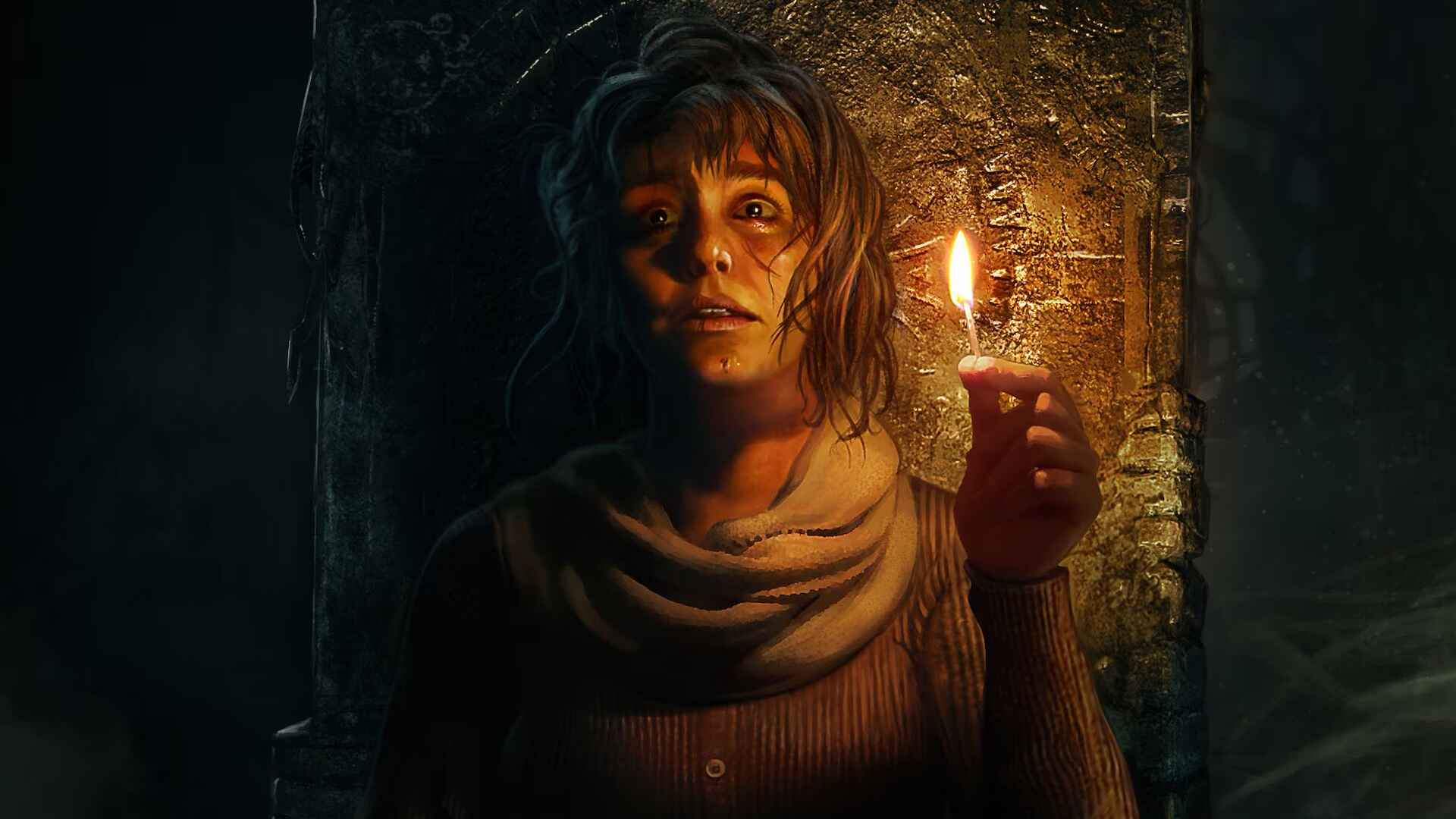
Players control Tasi Trianon, an expedition survivor who wakes amidst wreckage after a plane crash in the Algerian desert and struggles with fragmented memories.
As in previous Amnesia titles, Rebirth unfolds through environmental clues, notes and recovered memories.
An early narrative element — Tasi discovering she is pregnant — adds personal stakes to the survival-driven story.
Rebirth emphasizes atmosphere, exploration and stealth rather than combat: players cannot fight enemies and must rely on hiding, light management and resource scrounging (lantern oil, matches) to progress.
Sanity/fear system and design choices
Rebirth retains the series’ sanity-style mechanic (here presented as a fear meter).
Spending time in darkness or encountering disturbing scenes raises fear, triggering audio-visual effects and occasional panic minigames when levels spike.
One notable design decision is the game’s approach to death: instead of forcing players to replay large sections, the game respawns you slightly further along, reducing repetition.
Performance, visuals and control support on Switch 2
Despite promises of optimisation, Rebirth runs at 30 frames per second in both docked and handheld modes and shows frequent frame drops, which reviewers found disrupted pacing and immersion.
Textures and image quality were described as muddy and lower-resolution than might be expected on the platform.
The PC-first interaction model—object manipulation designed for mouse input—remains evident; the release does not support a pointer or mouse-mode for Joy-Con 2, a choice critics called a missed opportunity given the control scheme’s origins on PC.
Conclusion and review details
Amnesia: Rebirth on Nintendo Switch 2 preserves the series’ atmosphere and core ideas but falls short of delivering a fully optimised experience for Nintendo’s new hardware.
Version tested: Nintendo Switch 2.
Review copy provided by Abylight.
Reviewer: Jamie Ward.
Score given in the published review: 6/10.
Developed by Frictional Games, the survival horror title is now available on Nintendo's new console, the Nintendo Switch 2.
The Switch 2 release was promoted as a complete and optimised version for the platform; this review examines whether that promise holds up in areas including performance, load times, visual fidelity, and control support.
Long loading times and persistent startup delays
On launch, the Switch 2 version exhibits unusually long loading times.
It takes almost two minutes to reach the main menu, followed by an additional 20-plus seconds to begin gameplay; these lengthy waits recur every time the game is started.
Reviewing staff noted the repeated delays on a console designed to benefit from fast storage, describing the startup sequence as excessively long and clearly unoptimised compared with expectation for the hardware.
Story, atmosphere, and core mechanics
Players control Tasi Trianon, an expedition survivor who wakes amidst wreckage after a plane crash in the Algerian desert and struggles with fragmented memories.
As in previous Amnesia titles, Rebirth unfolds through environmental clues, notes and recovered memories.
An early narrative element — Tasi discovering she is pregnant — adds personal stakes to the survival-driven story.
Rebirth emphasizes atmosphere, exploration and stealth rather than combat: players cannot fight enemies and must rely on hiding, light management and resource scrounging (lantern oil, matches) to progress.
Sanity/fear system and design choices
Rebirth retains the series’ sanity-style mechanic (here presented as a fear meter).
Spending time in darkness or encountering disturbing scenes raises fear, triggering audio-visual effects and occasional panic minigames when levels spike.
One notable design decision is the game’s approach to death: instead of forcing players to replay large sections, the game respawns you slightly further along, reducing repetition.
Performance, visuals and control support on Switch 2
Despite promises of optimisation, Rebirth runs at 30 frames per second in both docked and handheld modes and shows frequent frame drops, which reviewers found disrupted pacing and immersion.
Textures and image quality were described as muddy and lower-resolution than might be expected on the platform.
The PC-first interaction model—object manipulation designed for mouse input—remains evident; the release does not support a pointer or mouse-mode for Joy-Con 2, a choice critics called a missed opportunity given the control scheme’s origins on PC.
Conclusion and review details
Amnesia: Rebirth on Nintendo Switch 2 preserves the series’ atmosphere and core ideas but falls short of delivering a fully optimised experience for Nintendo’s new hardware.
Version tested: Nintendo Switch 2.
Review copy provided by Abylight.
Reviewer: Jamie Ward.
Score given in the published review: 6/10.