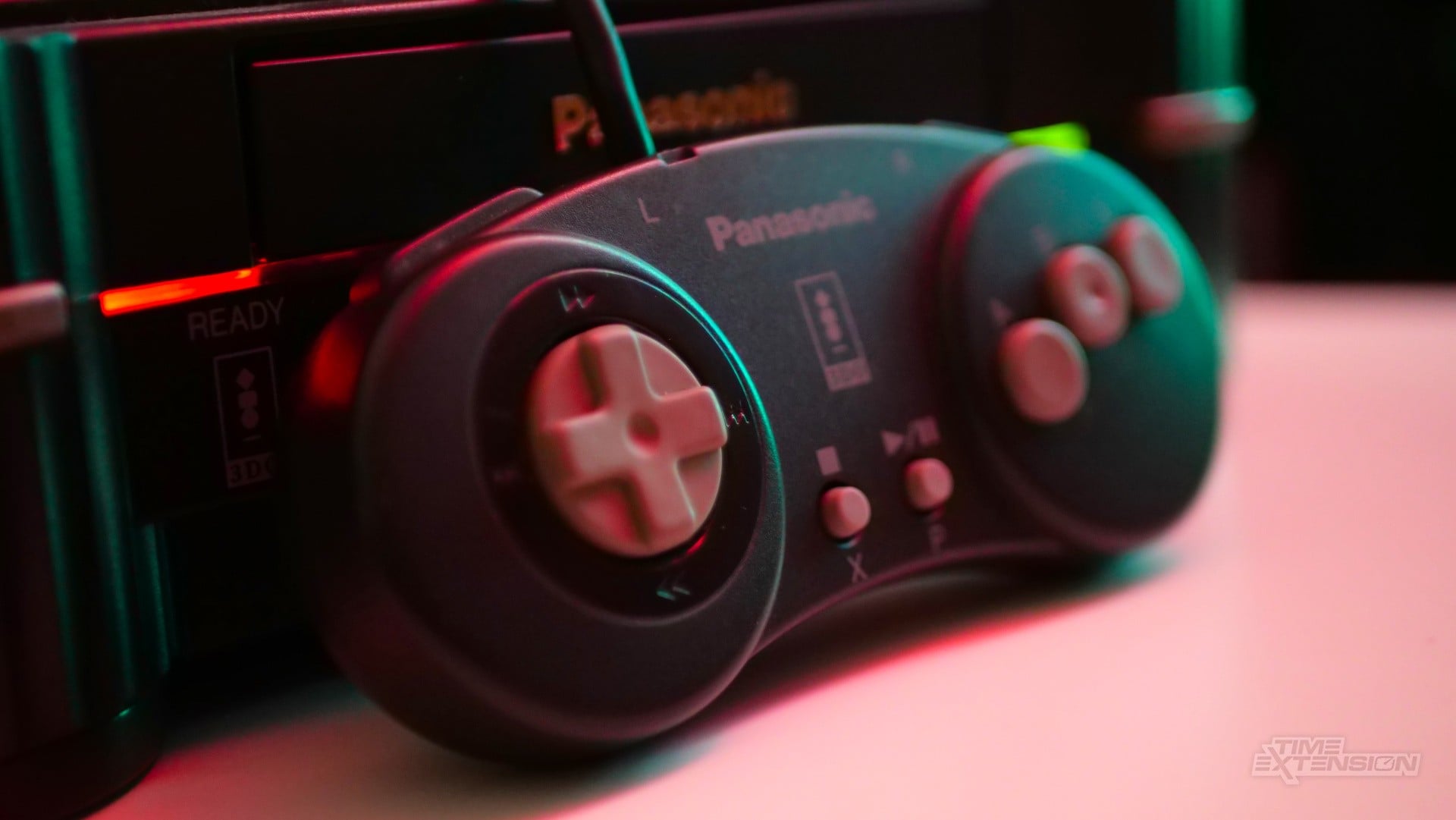
The 3DO Company hardware revival emerges after a renewed claim to the brand by entrepreneur Işık Şekercigil.
The 3DO Interactive Multiplayer was originally launched in 1993 by The 3DO Company, founded by Trip Hawkins, with a licensing model that allowed manufacturers such as Panasonic, Sanyo and GoldStar (now LG) to produce compatible players.
Despite the platform's early technical promise, high retail prices and a lack of killer exclusives limited consumer uptake; industry estimates place total 3DO hardware sales between roughly 1.38 million and 2 million units worldwide.
The console also faced increased competition when Sony and Sega entered the 32-bit era with the PlayStation and Saturn in 1994.
In an exclusive interview with Time Extension, Şekercigil set out a two‑pronged hardware ambition for the revived brand.
He said the company will pursue both a compact retro offering and a contemporary platform, provided the necessary hardware rights can be secured.
Specifically, he described plans for a retro console designed around emulation and a curated, preloaded game set, and a separate modern 3DO ecosystem intended to host new releases, updated legacy titles and an open storefront for independent developers.
Şekercigil emphasized the legal and logistical hurdles that remain.
He noted that acquiring brand IP does not automatically confer manufacturing rights, and that hardware licensing and distribution present additional layers of legal complexity.
Because of those challenges, he cautioned that any hardware projects could take several years to materialize while the company works through rights and production issues.
The proposed modern ecosystem concept parallels contemporary digital distribution models and self‑publish policies seen on platforms such as the Nintendo Switch and its eShop, where indie developers can reach audiences directly. Şekercigil framed the initiative as an effort to honor the 3DO legacy while creating new opportunities for developers and players.
For now, the announcement is a measured roadmap rather than a firm product launch schedule.
The industry will watch how Şekercigil and The 3DO Company navigate intellectual property, hardware rights and partner manufacturing before any retail hardware or storefront goes to market.
The Time Extension interview remains the primary source for these verified statements and the company’s stated intentions.
The 3DO Interactive Multiplayer was originally launched in 1993 by The 3DO Company, founded by Trip Hawkins, with a licensing model that allowed manufacturers such as Panasonic, Sanyo and GoldStar (now LG) to produce compatible players.
Despite the platform's early technical promise, high retail prices and a lack of killer exclusives limited consumer uptake; industry estimates place total 3DO hardware sales between roughly 1.38 million and 2 million units worldwide.
The console also faced increased competition when Sony and Sega entered the 32-bit era with the PlayStation and Saturn in 1994.
In an exclusive interview with Time Extension, Şekercigil set out a two‑pronged hardware ambition for the revived brand.
He said the company will pursue both a compact retro offering and a contemporary platform, provided the necessary hardware rights can be secured.
Specifically, he described plans for a retro console designed around emulation and a curated, preloaded game set, and a separate modern 3DO ecosystem intended to host new releases, updated legacy titles and an open storefront for independent developers.
Şekercigil emphasized the legal and logistical hurdles that remain.
He noted that acquiring brand IP does not automatically confer manufacturing rights, and that hardware licensing and distribution present additional layers of legal complexity.
Because of those challenges, he cautioned that any hardware projects could take several years to materialize while the company works through rights and production issues.
The proposed modern ecosystem concept parallels contemporary digital distribution models and self‑publish policies seen on platforms such as the Nintendo Switch and its eShop, where indie developers can reach audiences directly. Şekercigil framed the initiative as an effort to honor the 3DO legacy while creating new opportunities for developers and players.
For now, the announcement is a measured roadmap rather than a firm product launch schedule.
The industry will watch how Şekercigil and The 3DO Company navigate intellectual property, hardware rights and partner manufacturing before any retail hardware or storefront goes to market.
The Time Extension interview remains the primary source for these verified statements and the company’s stated intentions.