The 3DO Company hardware revival: what we know and what comes next
Işık Şekercigil, the entrepreneur who recently re-acquired rights to The 3DO Company, has confirmed plans to pursue a hardware comeback for the brand that once attempted to reset console licensing in the early 1990s.
The original 3DO Interactive Multiplayer hardware concept was launched by The 3DO Company — founded by former Electronic Arts boss Trip Hawkins in 1991 — and first reached consumers in 1993.
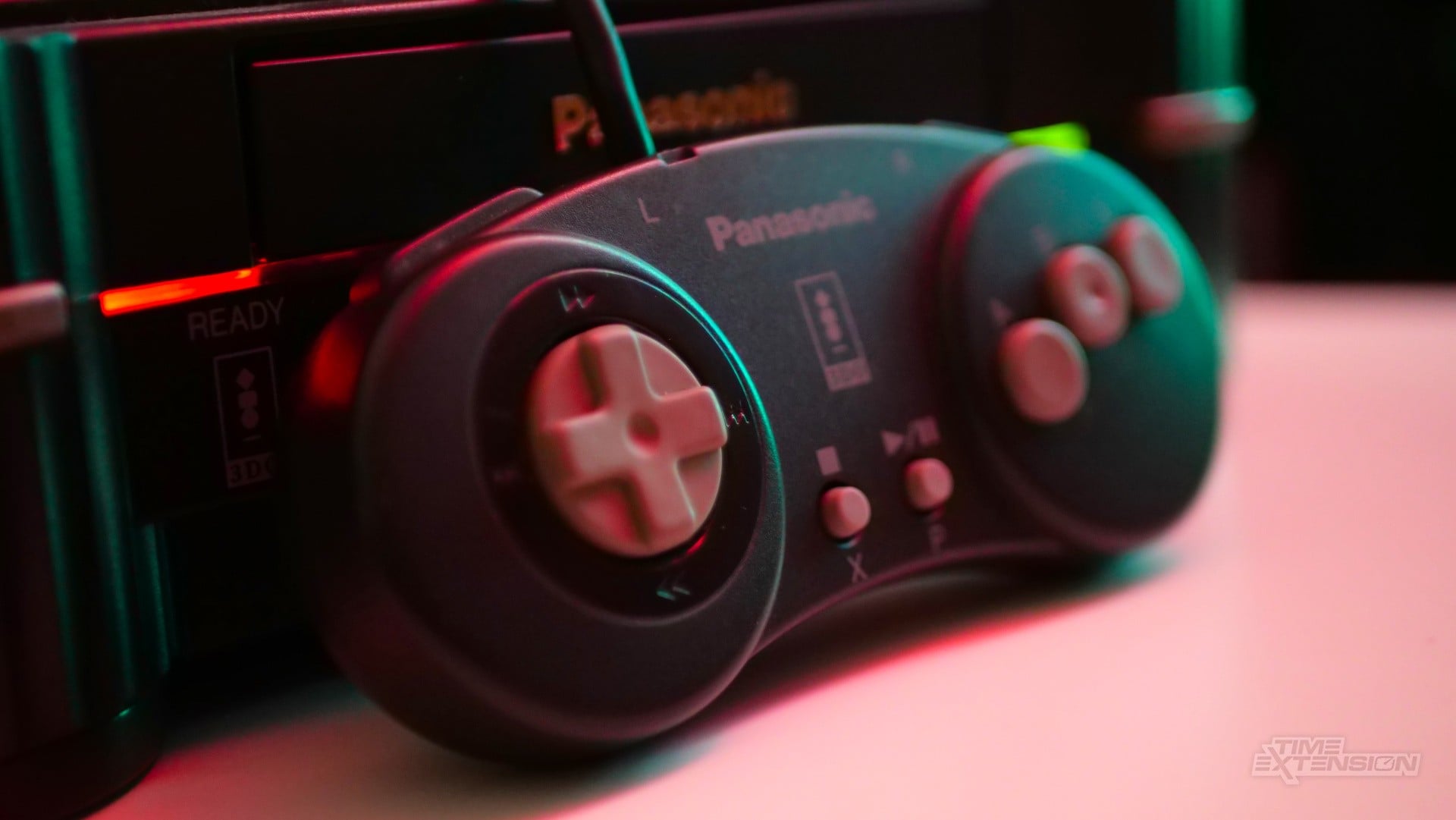
Major electronics manufacturers including Panasonic, Sanyo and GoldStar (later LG) produced licensed 3DO players; Panasonic's model debuted at a retail price of about $699, a factor that limited mass adoption.
Sales estimates for the platform generally fall in the low millions, with many sources placing lifetime hardware sales around 1.5–2 million units worldwide.
Şekercigil spoke to Time Extension about the revived company's roadmap and legal realities.
He said the business intends to pursue two distinct hardware paths if it can secure the necessary manufacturing rights.
In journalistic terms: Şekercigil indicated that, contingent on resolving complex hardware-rights issues, the company plans to release both a nostalgia-focused retro console and a modern platform that supports new releases and indie self-publishing.
The proposed retro unit would echo the market strategy of licensed mini consoles such as the SNES Classic and Mega Drive Mini, which come pre-loaded with legacy titles and rely on emulation.
The second initiative was described as a "modern 3DO ecosystem": a contemporary console platform intended to host newly developed games, updated legacy catalogues, and an open storefront where independent developers could self-publish.
Şekercigil cautioned that hardware projects carry long lead times and legal hurdles.
He noted explicitly that holding the 3DO brand rights does not automatically confer immediate authority to manufacture hardware, and that any device launches "may take several years to materialise" while the company works through licensing and regulatory complexity.
The 3DO revival arrives in an era where retro releases and digital storefronts are mainstream: classic re-releases and indie ports often appear on platforms ranging from PC shops to the Nintendo eShop and on modern hardware including the Nintendo Switch.
For now, The 3DO Company's hardware ambitions remain a long-term plan grounded in legal and commercial steps rather than an imminent product announcement.
Observers should watch for confirmed timelines, developer partnerships, and manufacturing agreements as the company progresses.
Işık Şekercigil, the entrepreneur who recently re-acquired rights to The 3DO Company, has confirmed plans to pursue a hardware comeback for the brand that once attempted to reset console licensing in the early 1990s.
The original 3DO Interactive Multiplayer hardware concept was launched by The 3DO Company — founded by former Electronic Arts boss Trip Hawkins in 1991 — and first reached consumers in 1993.
Major electronics manufacturers including Panasonic, Sanyo and GoldStar (later LG) produced licensed 3DO players; Panasonic's model debuted at a retail price of about $699, a factor that limited mass adoption.
Sales estimates for the platform generally fall in the low millions, with many sources placing lifetime hardware sales around 1.5–2 million units worldwide.
Şekercigil spoke to Time Extension about the revived company's roadmap and legal realities.
He said the business intends to pursue two distinct hardware paths if it can secure the necessary manufacturing rights.
In journalistic terms: Şekercigil indicated that, contingent on resolving complex hardware-rights issues, the company plans to release both a nostalgia-focused retro console and a modern platform that supports new releases and indie self-publishing.
The proposed retro unit would echo the market strategy of licensed mini consoles such as the SNES Classic and Mega Drive Mini, which come pre-loaded with legacy titles and rely on emulation.
The second initiative was described as a "modern 3DO ecosystem": a contemporary console platform intended to host newly developed games, updated legacy catalogues, and an open storefront where independent developers could self-publish.
Şekercigil cautioned that hardware projects carry long lead times and legal hurdles.
He noted explicitly that holding the 3DO brand rights does not automatically confer immediate authority to manufacture hardware, and that any device launches "may take several years to materialise" while the company works through licensing and regulatory complexity.
The 3DO revival arrives in an era where retro releases and digital storefronts are mainstream: classic re-releases and indie ports often appear on platforms ranging from PC shops to the Nintendo eShop and on modern hardware including the Nintendo Switch.
For now, The 3DO Company's hardware ambitions remain a long-term plan grounded in legal and commercial steps rather than an imminent product announcement.
Observers should watch for confirmed timelines, developer partnerships, and manufacturing agreements as the company progresses.