A community-driven decompilation project has produced a playable PC port of The Legend of Zelda: The Minish Cap, the 2004 Game Boy Advance entry in Nintendo's long-running franchise.
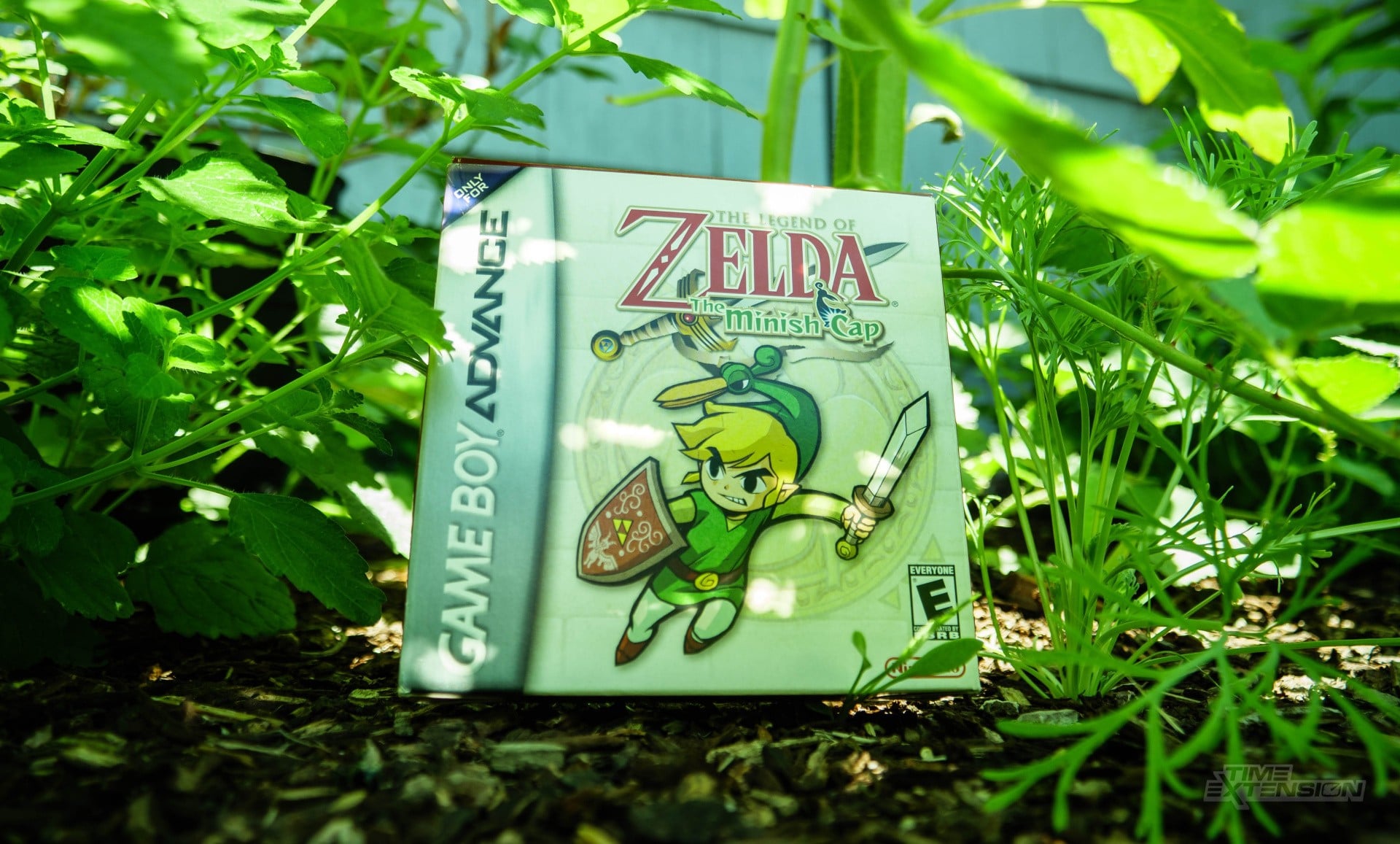
Developed originally by Capcom and published by Nintendo for the GBA, Minish Cap is a handheld Zelda title noted for its top-down action and unique mechanics.
The newly surfaced build, produced by a developer using the handle 999sian, provides Windows and Linux executables derived from a reverse-engineered codebase.
The developer has been explicit about the project's early-stage nature.
In plain terms: the build is rough around the edges, with rendering systems and gameplay pathways still incomplete.
Audio is largely absent in the current release, and the port does not include any modern refinements or feature updates.
The author also made clear that the release requires users to provide their own ROM image of the original GBA game, as no ROM is bundled with the project.
From a technical and legal perspective, decompilation projects reconstruct a game's original code to produce native builds for other platforms.
This approach can, in time, enable cross-platform ports and source-level analysis, but the current Minish Cap build is not yet a polished alternative to existing options.
Practically speaking, players seeking to play Minish Cap today will find little advantage in this early PC port compared with established emulation solutions or original hardware.
The Minish Cap was originally released for Game Boy Advance in 2004 and remains part of The Legend of Zelda series' handheld history.
The new decompilation effort joins a wider community practice of reconstructing classic games to explore preservation, modding, and platform portability.
However, this project is unofficial and independent of Nintendo and Capcom; it is not an official re-release or an eShop/Nintendo Switch port.
For developers, preservationists and Zelda fans, the release is noteworthy as a technical milestone in progress.
For players, it is a work-in-progress experiment: playable in places, incomplete in others, and currently offering no clear benefit over established emulation for regular play.
Interested parties should track the project's repository and follow any updates from 999sian for improvements to rendering, gameplay paths and audio support.
Developed originally by Capcom and published by Nintendo for the GBA, Minish Cap is a handheld Zelda title noted for its top-down action and unique mechanics.
The newly surfaced build, produced by a developer using the handle 999sian, provides Windows and Linux executables derived from a reverse-engineered codebase.
The developer has been explicit about the project's early-stage nature.
In plain terms: the build is rough around the edges, with rendering systems and gameplay pathways still incomplete.
Audio is largely absent in the current release, and the port does not include any modern refinements or feature updates.
The author also made clear that the release requires users to provide their own ROM image of the original GBA game, as no ROM is bundled with the project.
From a technical and legal perspective, decompilation projects reconstruct a game's original code to produce native builds for other platforms.
This approach can, in time, enable cross-platform ports and source-level analysis, but the current Minish Cap build is not yet a polished alternative to existing options.
Practically speaking, players seeking to play Minish Cap today will find little advantage in this early PC port compared with established emulation solutions or original hardware.
The Minish Cap was originally released for Game Boy Advance in 2004 and remains part of The Legend of Zelda series' handheld history.
The new decompilation effort joins a wider community practice of reconstructing classic games to explore preservation, modding, and platform portability.
However, this project is unofficial and independent of Nintendo and Capcom; it is not an official re-release or an eShop/Nintendo Switch port.
For developers, preservationists and Zelda fans, the release is noteworthy as a technical milestone in progress.
For players, it is a work-in-progress experiment: playable in places, incomplete in others, and currently offering no clear benefit over established emulation for regular play.
Interested parties should track the project's repository and follow any updates from 999sian for improvements to rendering, gameplay paths and audio support.