


Background
Resident Evil, developed by Capcom and released for the original PlayStation in 1996, is widely regarded as a genre-defining survival-horror title.
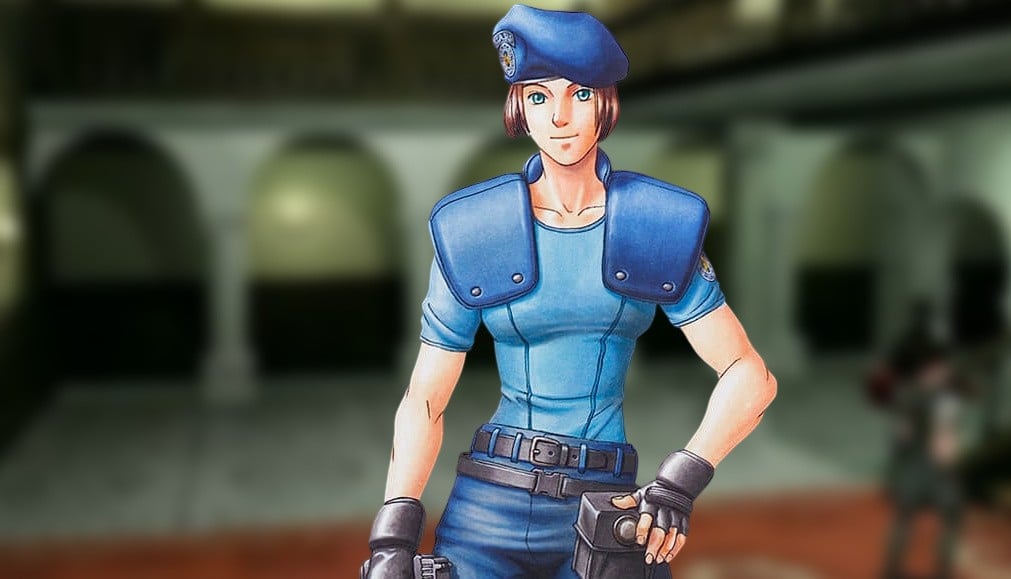
Despite its critical and commercial impact, the English-language script and voice performances have long been noted for awkward phrasing and stilted delivery—lines such as "You were almost a Jill Sandwich" became internet memes and in-jokes in later Capcom releases.
Recent conversations with former Capcom localisation lead Tom Shiraiwa shed light on why the game's English localisation followed an atypical path.
What Tom Shiraiwa revealed
Shiraiwa, who worked in localisation at Capcom from 1990 to 2004, told Time Extension that his normal workflow involved submitting a basic English draft to Capcom USA and collaborating with US-based staff—often Erik Suzuki—to produce more natural English dialogue.
For recording sessions he says Capcom typically engaged freelance casting and voice directors such as Susan Hart.
Shiraiwa explained that Resident Evil was an exception because director Shinji Mikami wanted direct control over English recordings.
He said Mikami opted to use a Tokyo studio and a team under his direction rather than routing work through Capcom USA or the usual localisation process.
In Shiraiwa's words, Mikami wanted to be present during recordings and to shape an atmosphere he associated with Western horror films, so the director handled English production internally and bypassed the standard localisation channels.
Capcom USA confirmation
Independent corroboration came from former Capcom USA staff.
Chris Kramer, who worked at Capcom USA in the 1990s, told Shiraiwa’s team that the unusual phrasing in Resident Evil did not originate from the US localisation group.
Kramer noted that much of Capcom’s early-English editing was performed by a small team in the US, and that Resident Evil’s script did not follow the usual route through those editors.
Aftermath and legacy
Shiraiwa said the team recognised these issues after Resident Evil launched.
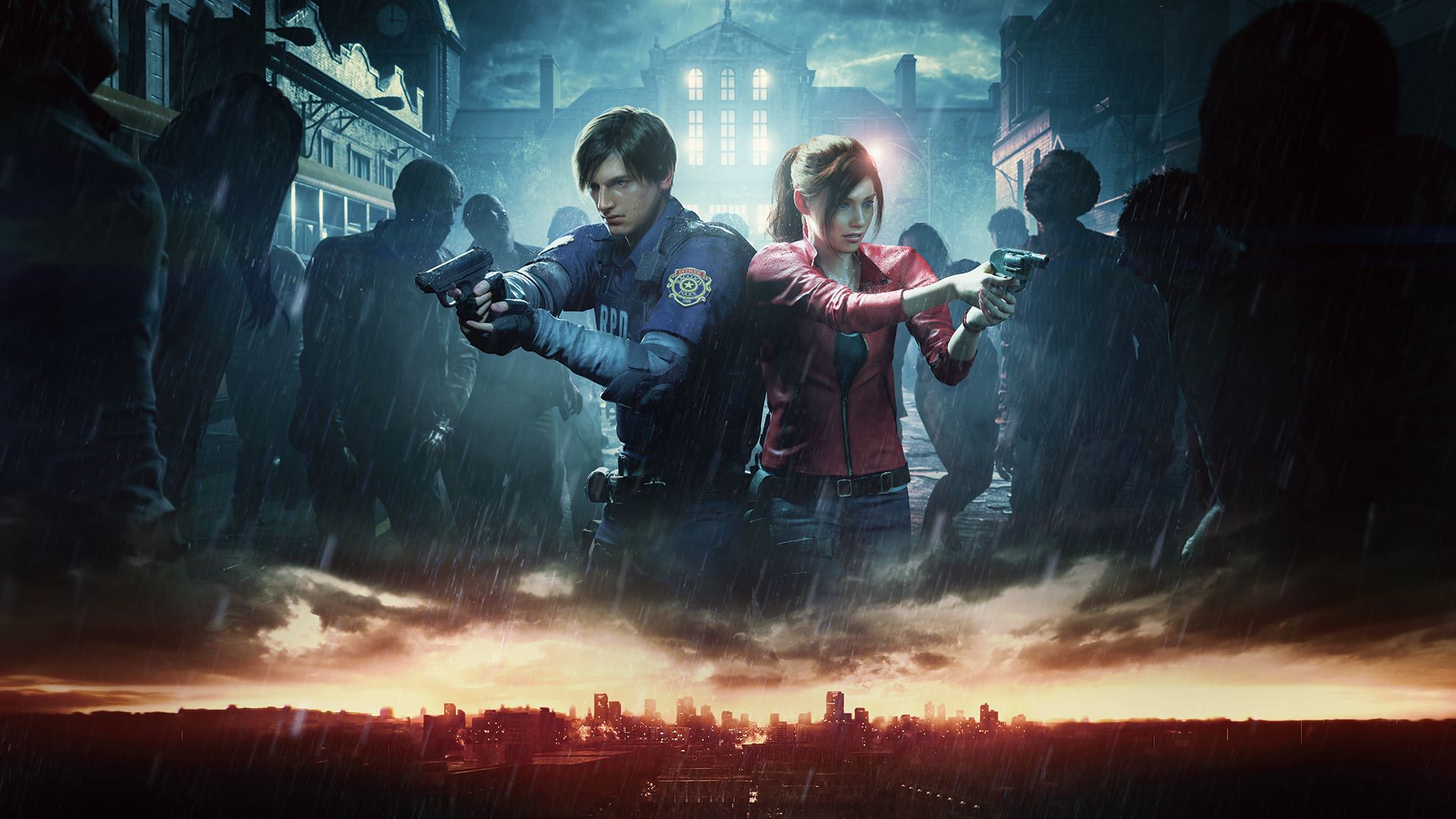
For the sequel, Resident Evil 2 (directed by Hideki Kamiya), Capcom returned to the more conventional approach and engaged recording studios in Canada for English audio work.
That shift reflected an effort to address criticisms about dialogue and voice casting.
Today, Resident Evil remains a cornerstone of Capcom’s catalogue across many platforms, and the story of its 1996 localisation stands as a notable case study in how development decisions and director involvement can shape localisation outcomes.
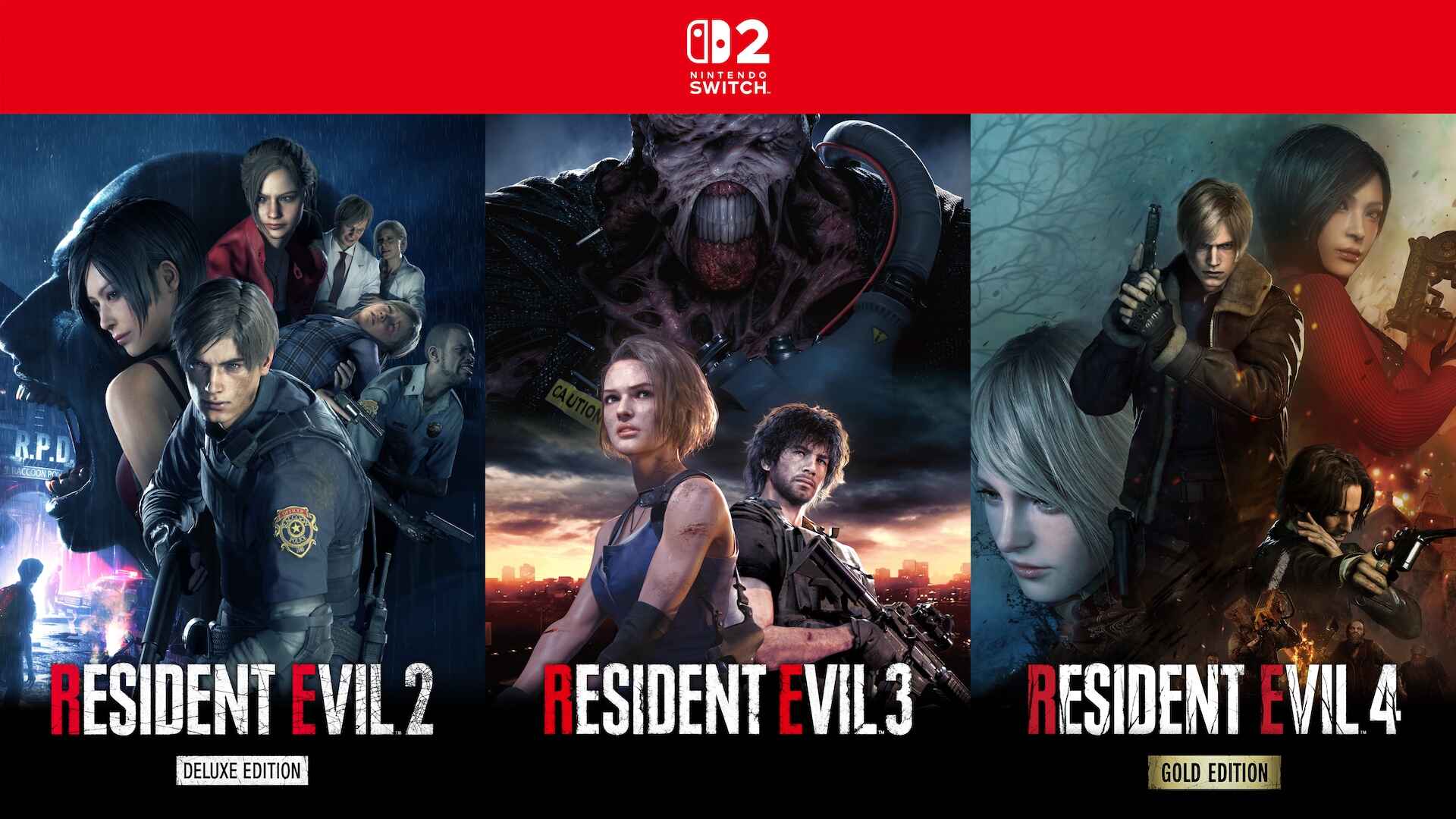
The topic continues to interest fans and industry observers, particularly around platform announcements and events such as Nintendo Direct or eShop releases where classic titles and ports are often discussed.
Resident Evil, developed by Capcom and released for the original PlayStation in 1996, is widely regarded as a genre-defining survival-horror title.
Despite its critical and commercial impact, the English-language script and voice performances have long been noted for awkward phrasing and stilted delivery—lines such as "You were almost a Jill Sandwich" became internet memes and in-jokes in later Capcom releases.
Recent conversations with former Capcom localisation lead Tom Shiraiwa shed light on why the game's English localisation followed an atypical path.
What Tom Shiraiwa revealed
Shiraiwa, who worked in localisation at Capcom from 1990 to 2004, told Time Extension that his normal workflow involved submitting a basic English draft to Capcom USA and collaborating with US-based staff—often Erik Suzuki—to produce more natural English dialogue.
For recording sessions he says Capcom typically engaged freelance casting and voice directors such as Susan Hart.
Shiraiwa explained that Resident Evil was an exception because director Shinji Mikami wanted direct control over English recordings.
He said Mikami opted to use a Tokyo studio and a team under his direction rather than routing work through Capcom USA or the usual localisation process.
In Shiraiwa's words, Mikami wanted to be present during recordings and to shape an atmosphere he associated with Western horror films, so the director handled English production internally and bypassed the standard localisation channels.
Capcom USA confirmation
Independent corroboration came from former Capcom USA staff.
Chris Kramer, who worked at Capcom USA in the 1990s, told Shiraiwa’s team that the unusual phrasing in Resident Evil did not originate from the US localisation group.
Kramer noted that much of Capcom’s early-English editing was performed by a small team in the US, and that Resident Evil’s script did not follow the usual route through those editors.
Aftermath and legacy
Shiraiwa said the team recognised these issues after Resident Evil launched.
For the sequel, Resident Evil 2 (directed by Hideki Kamiya), Capcom returned to the more conventional approach and engaged recording studios in Canada for English audio work.
That shift reflected an effort to address criticisms about dialogue and voice casting.
Today, Resident Evil remains a cornerstone of Capcom’s catalogue across many platforms, and the story of its 1996 localisation stands as a notable case study in how development decisions and director involvement can shape localisation outcomes.
The topic continues to interest fans and industry observers, particularly around platform announcements and events such as Nintendo Direct or eShop releases where classic titles and ports are often discussed.