Nintendo Reports Wii U Sales of 3.06 Million Units in Q3 2013 Financial Results
Nintendo has released its third quarter financial results for the fiscal year, offering fresh insight into the performance of the Wii U console.
The Japanese gaming giant, known for its legacy of hardware innovation and iconic franchises, reported that global sales of the Wii U have reached 3.06 million units since its launch in November 2012.
The Wii U, designed as the successor to the highly successful Wii and featuring a novel GamePad controller, was positioned as a centerpiece of the company's next-generation hardware ambitions.
Despite the initial enthusiasm, Wii U sales have not met Nintendo's early expectations.
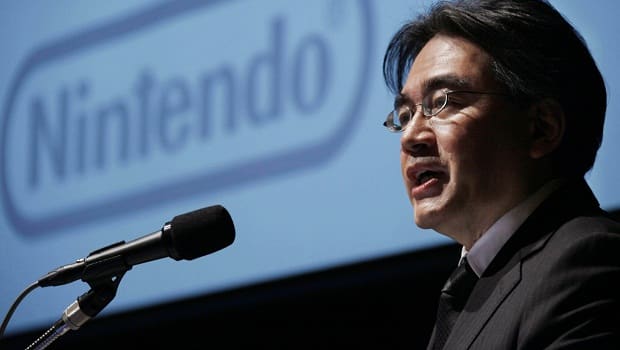
The company, led at the time by President Satoru Iwata, initially aimed to sell 5.5 million consoles by the close of the financial year.
However, a less robust performance during the crucial holiday season has prompted Nintendo to revise its projection downward to 4 million units by fiscal year-end.
The breakdown of the Wii U’s global install base highlights the console’s regional performance.
North America leads with 1.32 million units sold, followed by Europe with 900,000 units and Japan close behind with 830,000 units.
These figures provide a snapshot of Nintendo’s market reach during the Wii U’s early lifecycle and underscore the varied reception across key territories.
Software sales for the Wii U have similarly seen adjusted targets.
Nintendo initially forecast 24 million software units sold within the fiscal year, but this figure has since been revised to 16 million due to current trends.
As of the latest report, Wii U software sales have totaled 11.69 million units.
Notable first-party titles have driven much of this success, with "Nintendo Land" achieving sales of 2.33 million copies and "New Super Mario Bros.
U" close behind at 2.01 million units sold.
Nintendo’s ability to pivot in response to market realities reflects its commitment to both shareholders and consumers.
President Satoru Iwata has emphasized the importance of responding to customer expectations and market trends, stating through translated remarks, “Nintendo continues working diligently to enhance the appeal of our platforms and content in order to meet our global fans’ diverse needs.”
As Nintendo continues to introduce new releases and engage audiences through initiatives like Nintendo Direct and digital platforms such as the eShop, the company remains focused on strengthening the Wii U’s position in the market.
For continued coverage on Nintendo’s financial performance and future consoles like the Nintendo Switch, stay tuned to our updates.
Nintendo has released its third quarter financial results for the fiscal year, offering fresh insight into the performance of the Wii U console.
The Japanese gaming giant, known for its legacy of hardware innovation and iconic franchises, reported that global sales of the Wii U have reached 3.06 million units since its launch in November 2012.
The Wii U, designed as the successor to the highly successful Wii and featuring a novel GamePad controller, was positioned as a centerpiece of the company's next-generation hardware ambitions.
Despite the initial enthusiasm, Wii U sales have not met Nintendo's early expectations.
The company, led at the time by President Satoru Iwata, initially aimed to sell 5.5 million consoles by the close of the financial year.
However, a less robust performance during the crucial holiday season has prompted Nintendo to revise its projection downward to 4 million units by fiscal year-end.
The breakdown of the Wii U’s global install base highlights the console’s regional performance.
North America leads with 1.32 million units sold, followed by Europe with 900,000 units and Japan close behind with 830,000 units.
These figures provide a snapshot of Nintendo’s market reach during the Wii U’s early lifecycle and underscore the varied reception across key territories.
Software sales for the Wii U have similarly seen adjusted targets.
Nintendo initially forecast 24 million software units sold within the fiscal year, but this figure has since been revised to 16 million due to current trends.
As of the latest report, Wii U software sales have totaled 11.69 million units.
Notable first-party titles have driven much of this success, with "Nintendo Land" achieving sales of 2.33 million copies and "New Super Mario Bros.
U" close behind at 2.01 million units sold.
Nintendo’s ability to pivot in response to market realities reflects its commitment to both shareholders and consumers.
President Satoru Iwata has emphasized the importance of responding to customer expectations and market trends, stating through translated remarks, “Nintendo continues working diligently to enhance the appeal of our platforms and content in order to meet our global fans’ diverse needs.”
As Nintendo continues to introduce new releases and engage audiences through initiatives like Nintendo Direct and digital platforms such as the eShop, the company remains focused on strengthening the Wii U’s position in the market.
For continued coverage on Nintendo’s financial performance and future consoles like the Nintendo Switch, stay tuned to our updates.