Introduction
Users occasionally encounter a terse message when browsing Nintendo's digital storefront: "The info you're looking for can't be found." For players on Nintendo Switch, this can mean anything from a temporary server hiccup to a deliberate storefront change.
The Nintendo Switch launched on March 3, 2017, and its eShop has been the platform's primary digital marketplace since launch.
Nintendo regularly communicates new releases and removals via Nintendo Direct presentations, a format the company has used since 2011.
What the message actually says (rewritten)
When the Nintendo eShop returns the standard missing-page prompt, it typically reads in plain terms: "The information you attempted to access is unavailable.
Please try searching again or consult the available navigation links." In journalistic terms, that message signals that the specific eShop URL or listing no longer resolves to an active page.
Verified reasons a listing can be missing
- Temporary service or maintenance: Digital storefronts sometimes return errors during backend updates or regional maintenance windows.
Nintendo publishes support notices when major service work occurs.
- Region or account settings: eShop content availability can vary by region; items visible in one country may not appear in another depending on licensing and local ratings.
- Publisher or licensing changes: Games and DLC can be removed or delisted by rights holders or when licenses expire.
These actions remove storefront entries even if the game remains playable for existing owners.
Notable platform and developer context
The Nintendo Switch has hosted both first-party and third-party successes since its 2017 debut.
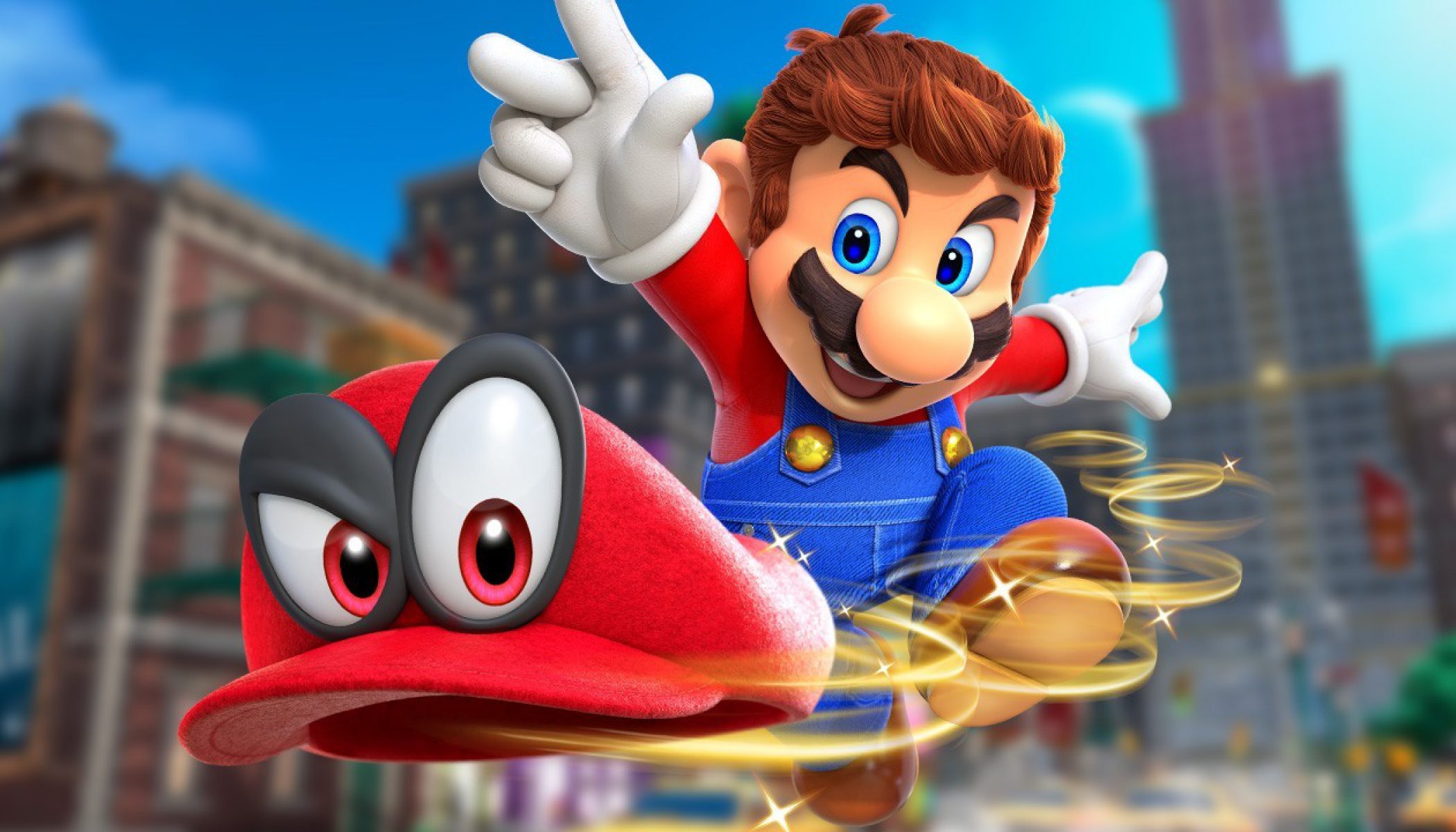
For example, Super Mario Odyssey, developed by Nintendo EPD, released on October 27, 2017, as a flagship first-party title.
Nintendo EPD is the company's primary internal development group for many of its core franchises and has overseen numerous platform-defining releases on Switch.
Practical troubleshooting steps
1) Refresh and retry: Reload the eShop page or search within the eShop app on your Switch.
2) Check region and account: Confirm your Nintendo Account region and the console’s system region settings.
3) Visit Nintendo Support: If a page remains missing, consult Nintendo Support for current service notices or known outages.
4) Check publisher channels: Developers and publishers often announce delistings, re-releases, or availability changes on their official sites and social accounts.
5) Preserve ownership: If you already purchased a title, it may remain playable or re-downloadable even if the eShop listing is gone.
Conclusion
A missing eShop page on Nintendo Switch is most often an operational or regional issue, or a sign that a listing has been withdrawn.
For confirmed updates, rely on Nintendo Support and official publisher announcements.
Where possible, players should document purchases and check account regions before assuming permanent removal.
Users occasionally encounter a terse message when browsing Nintendo's digital storefront: "The info you're looking for can't be found." For players on Nintendo Switch, this can mean anything from a temporary server hiccup to a deliberate storefront change.
The Nintendo Switch launched on March 3, 2017, and its eShop has been the platform's primary digital marketplace since launch.
Nintendo regularly communicates new releases and removals via Nintendo Direct presentations, a format the company has used since 2011.
What the message actually says (rewritten)
When the Nintendo eShop returns the standard missing-page prompt, it typically reads in plain terms: "The information you attempted to access is unavailable.
Please try searching again or consult the available navigation links." In journalistic terms, that message signals that the specific eShop URL or listing no longer resolves to an active page.
Verified reasons a listing can be missing
- Temporary service or maintenance: Digital storefronts sometimes return errors during backend updates or regional maintenance windows.
Nintendo publishes support notices when major service work occurs.
- Region or account settings: eShop content availability can vary by region; items visible in one country may not appear in another depending on licensing and local ratings.
- Publisher or licensing changes: Games and DLC can be removed or delisted by rights holders or when licenses expire.
These actions remove storefront entries even if the game remains playable for existing owners.
Notable platform and developer context
The Nintendo Switch has hosted both first-party and third-party successes since its 2017 debut.
For example, Super Mario Odyssey, developed by Nintendo EPD, released on October 27, 2017, as a flagship first-party title.
Nintendo EPD is the company's primary internal development group for many of its core franchises and has overseen numerous platform-defining releases on Switch.
Practical troubleshooting steps
1) Refresh and retry: Reload the eShop page or search within the eShop app on your Switch.
2) Check region and account: Confirm your Nintendo Account region and the console’s system region settings.
3) Visit Nintendo Support: If a page remains missing, consult Nintendo Support for current service notices or known outages.
4) Check publisher channels: Developers and publishers often announce delistings, re-releases, or availability changes on their official sites and social accounts.
5) Preserve ownership: If you already purchased a title, it may remain playable or re-downloadable even if the eShop listing is gone.
Conclusion
A missing eShop page on Nintendo Switch is most often an operational or regional issue, or a sign that a listing has been withdrawn.
For confirmed updates, rely on Nintendo Support and official publisher announcements.
Where possible, players should document purchases and check account regions before assuming permanent removal.