When a Nintendo Switch eShop page returns an error or simply vanishes, it can be frustrating for both players and developers.
The Nintendo Switch launched on March 3, 2017, with its digital storefront, the Nintendo eShop, available on day one.
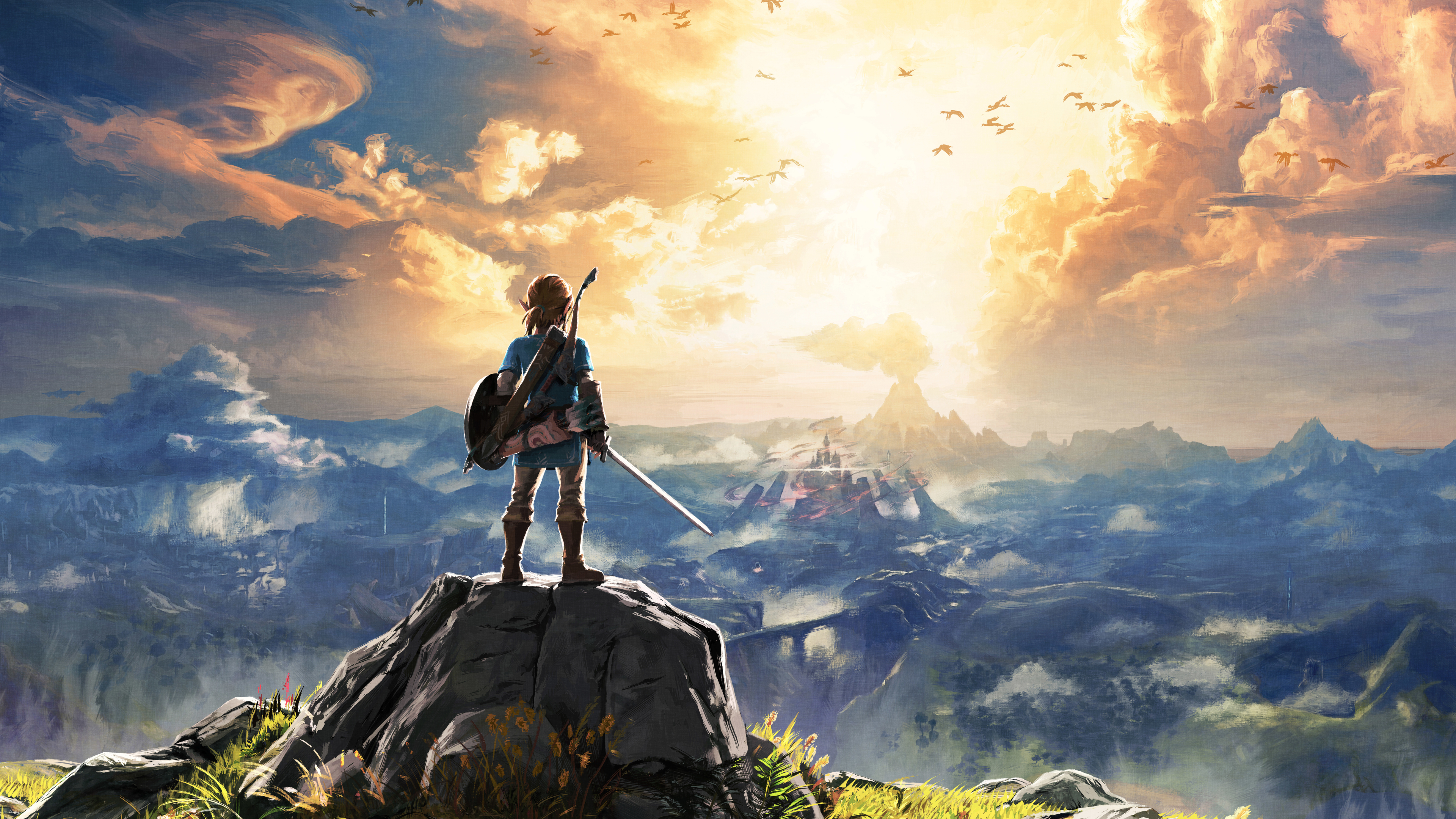
High-profile Switch launches that day included The Legend of Zelda: Breath of the Wild, developed by Nintendo EPD and published by Nintendo.
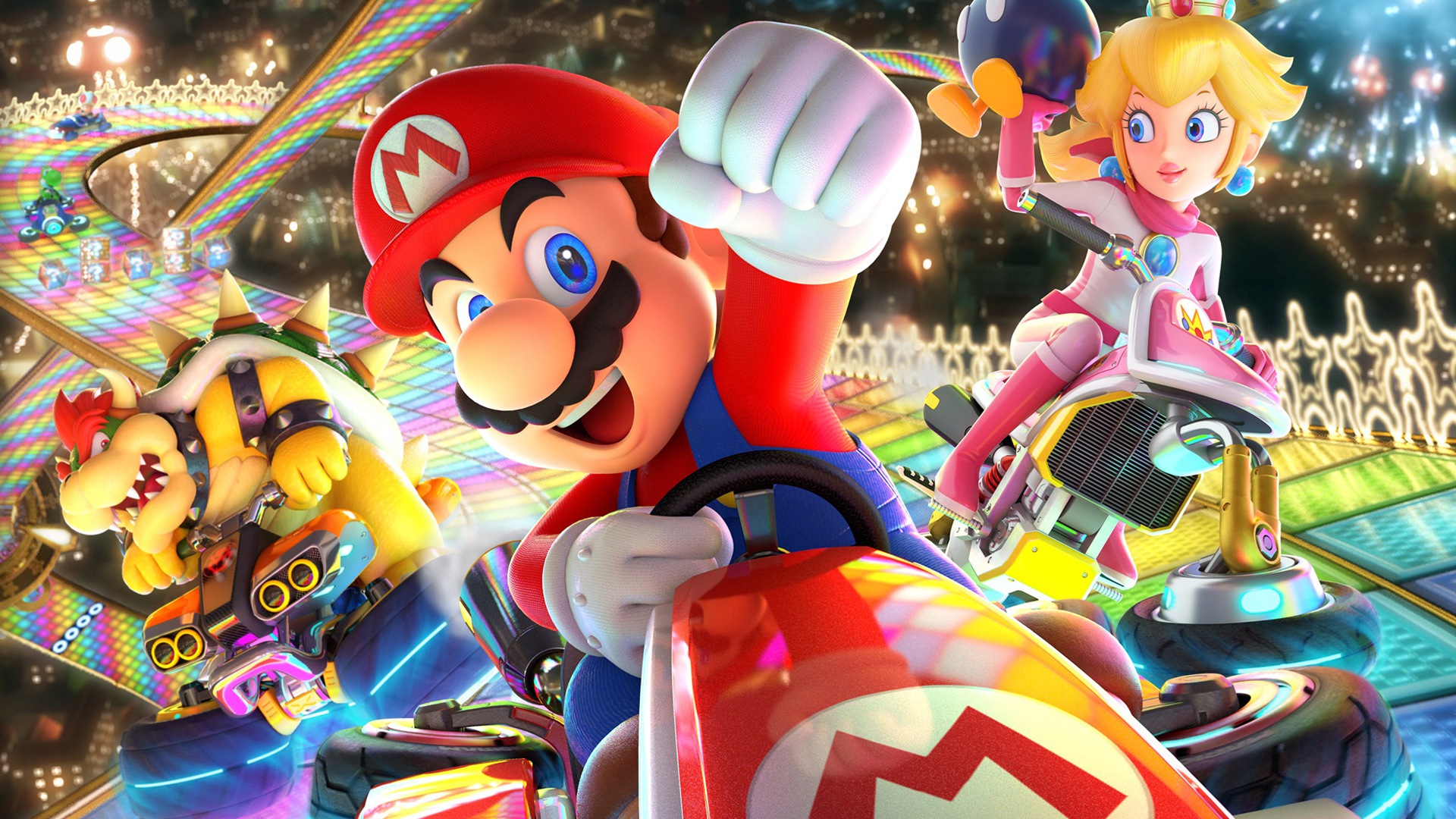
Major Switch ports such as Mario Kart 8 Deluxe followed shortly after, releasing on April 28, 2017.
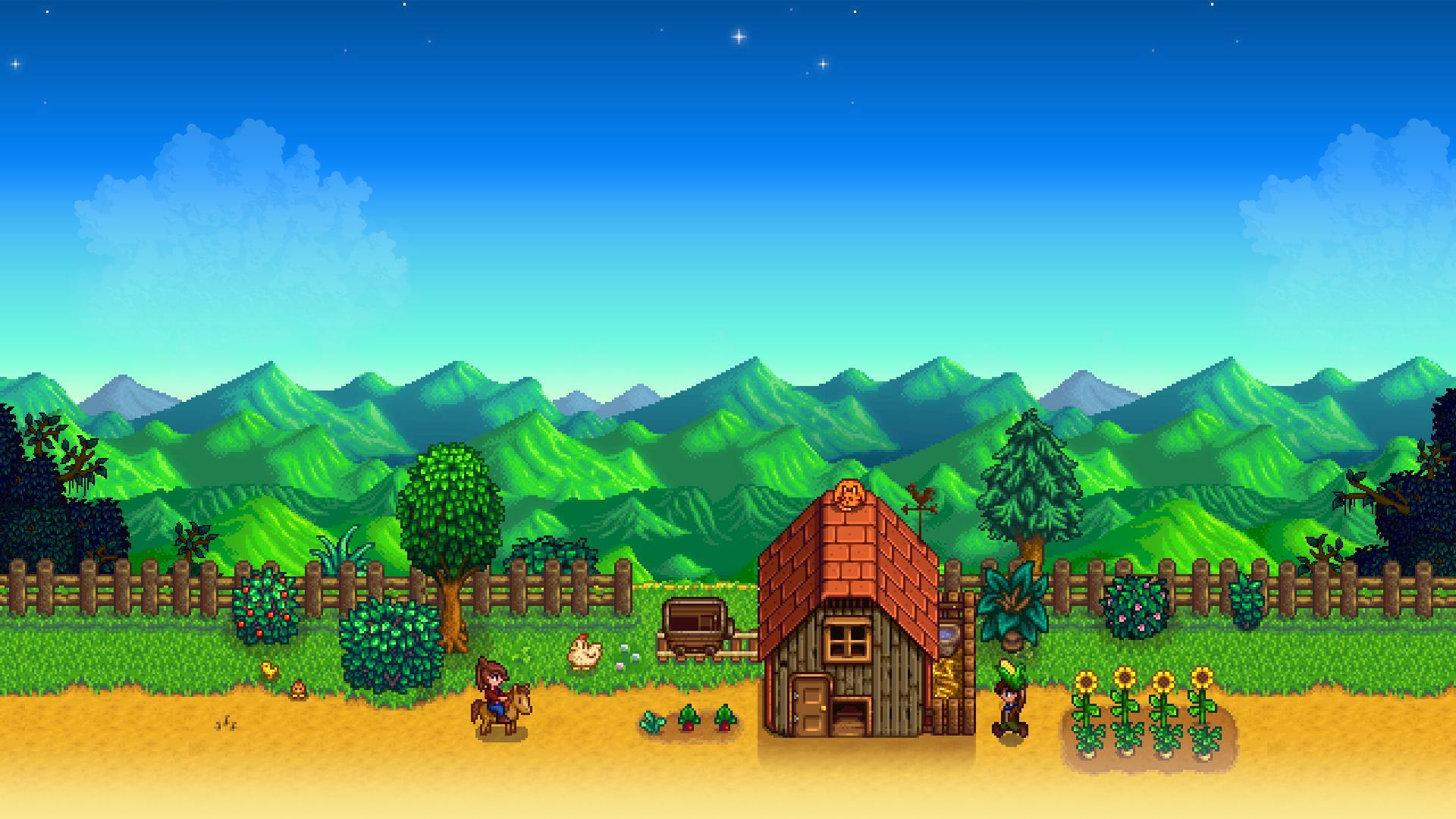
Indie successes like Stardew Valley, developed by ConcernedApe, arrived on the platform on October 5, 2017, underscoring how the eShop has become a critical discovery channel for games large and small.
If you encounter a message like "The info you're looking for can't be found," a clear, journalistic restatement would be: "The requested page cannot be located.
Please try the search function again or navigate using the links provided." That concise phrasing captures the typical guidance offered by storefront error pages.
Here are verified, practical steps to resolve or investigate a missing eShop page:
- Verify your region and account settings.
The Nintendo eShop is region-specific and some listings are limited by territory.
- Use the global search on the Nintendo eShop and the console home screen.
Typos in titles are a frequent cause of missing pages.
- Check official announcement channels.
Nintendo often uses Nintendo Direct presentations and official social channels to announce removals, delistings, or new availability windows; Nintendo Direct itself has been Nintendo’s primary broadcast for product announcements since 2011.
- Visit the developer or publisher’s official site and social accounts.
Developers commonly post updates about platform availability and delistings.
- Use archival tools and press coverage.
Web archives and reputable game news outlets can confirm a title’s prior listing or delisting.
- Contact Nintendo Support.
For account-specific or purchase issues, Nintendo Support is the official channel for resolution.
For developers and publishers, maintaining an up-to-date storefront presence and communicating through official channels reduces customer support load and confusion.
For players, confirmed facts—like release dates and platform availability—are best sourced from publisher announcements, Nintendo Direct broadcasts, and official eShop entries.
When a page returns the standard "not found" wording, the steps above will usually clarify whether the issue is regional, temporary, or the result of a deliberate removal.
The Nintendo Switch launched on March 3, 2017, with its digital storefront, the Nintendo eShop, available on day one.
High-profile Switch launches that day included The Legend of Zelda: Breath of the Wild, developed by Nintendo EPD and published by Nintendo.
Major Switch ports such as Mario Kart 8 Deluxe followed shortly after, releasing on April 28, 2017.
Indie successes like Stardew Valley, developed by ConcernedApe, arrived on the platform on October 5, 2017, underscoring how the eShop has become a critical discovery channel for games large and small.
If you encounter a message like "The info you're looking for can't be found," a clear, journalistic restatement would be: "The requested page cannot be located.
Please try the search function again or navigate using the links provided." That concise phrasing captures the typical guidance offered by storefront error pages.
Here are verified, practical steps to resolve or investigate a missing eShop page:
- Verify your region and account settings.
The Nintendo eShop is region-specific and some listings are limited by territory.
- Use the global search on the Nintendo eShop and the console home screen.
Typos in titles are a frequent cause of missing pages.
- Check official announcement channels.
Nintendo often uses Nintendo Direct presentations and official social channels to announce removals, delistings, or new availability windows; Nintendo Direct itself has been Nintendo’s primary broadcast for product announcements since 2011.
- Visit the developer or publisher’s official site and social accounts.
Developers commonly post updates about platform availability and delistings.
- Use archival tools and press coverage.
Web archives and reputable game news outlets can confirm a title’s prior listing or delisting.
- Contact Nintendo Support.
For account-specific or purchase issues, Nintendo Support is the official channel for resolution.
For developers and publishers, maintaining an up-to-date storefront presence and communicating through official channels reduces customer support load and confusion.
For players, confirmed facts—like release dates and platform availability—are best sourced from publisher announcements, Nintendo Direct broadcasts, and official eShop entries.
When a page returns the standard "not found" wording, the steps above will usually clarify whether the issue is regional, temporary, or the result of a deliberate removal.