

Introduction
Kirby and the World Beyond is already shaping conversation among fans who followed HAL Laboratory’s shift into full 3D with Kirby and the Forgotten Land.
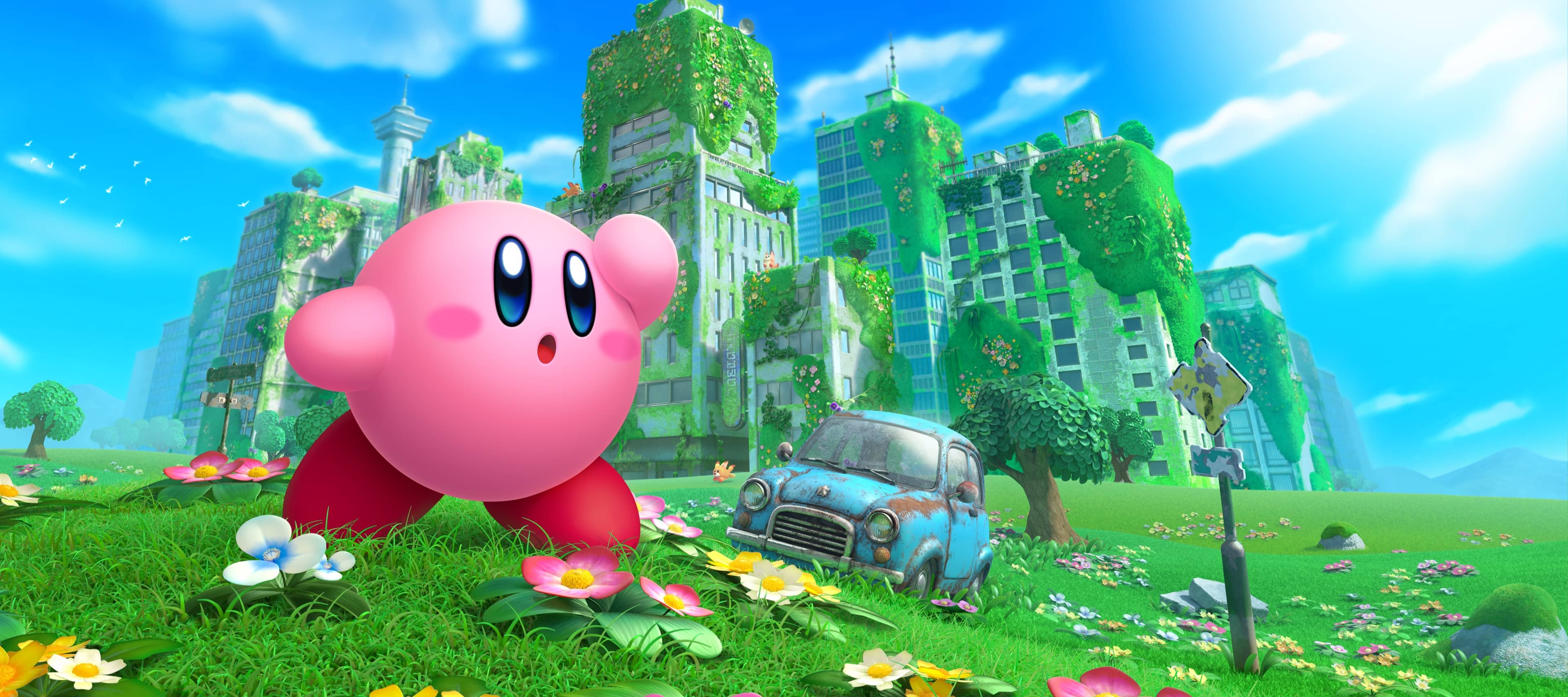
Developed by HAL Laboratory and published by Nintendo, Kirby and the Forgotten Land launched for Nintendo Switch on March 25, 2022 and marked the series’ first full mainline 3D entry.
As discussions grow about how the next Kirby outing could leverage a future Nintendo platform, this piece outlines realistic, design-focused priorities—grounded in the series’ recent evolution and current platform realities.
HAL Laboratory’s design approach
Observers point to HAL Laboratory’s distinctive approach to reinvention as a key reason Kirby’s transition to 3D succeeded.
The studio preserved Kirby’s accessible controls and series identity while expanding level design and traversal in three dimensions.
That balance—keeping core mechanics familiar while introducing new spatial possibilities—remains a model for any follow-up, whether on the Nintendo Switch or a successor device.
Varied environments and open-zone design
Kirby and the Forgotten Land demonstrated how 3D environments can refresh the franchise with diverse biomes and set pieces.
Future titles will be judged on environmental variety and how open-zone systems are structured.
Developers should aim for distinct zones—coastal, aerial, urban, and landmark-based locations—while maintaining the series’ tempo and platforming clarity.
Any discussion of a Nintendo Switch successor must also note that Nintendo has not confirmed a “Nintendo Switch 2” or its release timing; official platform announcements would come through Nintendo Direct or other company channels.
Copy Abilities: depth and fidelity
A recurring community request is for deeper, more varied Copy Abilities in 3D.
Critics and players alike praised the intuitive feel of abilities in Forgotten Land but noted smaller move lists compared with 2D entries.
Journalistic synthesis of community feedback suggests HAL could expand movesets—adding charged attacks, area effects, and traversal-based actions—without compromising 3D level design.
Some abilities from 2D titles proved difficult to translate directly to 3D, but careful redesign could preserve their identity while fitting modern spatial gameplay.
Core series expectations
Fans expect several staples from any mainline Kirby release: approachable yet deep controls, strong musical scoring, world-building that enriches series lore, and memorable boss encounters.
Kirby and the Forgotten Land set a high bar in many of these areas; a follow-up should retain that standard and refine areas noted by players, such as mission visibility and the breadth of abilities.
Conclusion
Whether Kirby and the World Beyond appears on current Nintendo Switch hardware or on a future console, the priorities are consistent: preserve what makes Kirby accessible, broaden environmental variety, and deepen Copy Ability systems in ways that suit 3D spaces.
Official details about platforms, release windows, or distribution will depend on announcements from Nintendo via Nintendo Direct and eShop communications.