This week, the long-lost SNES PlayStation re-emerged, reigniting worldwide fascination among gaming historians and industry veterans.
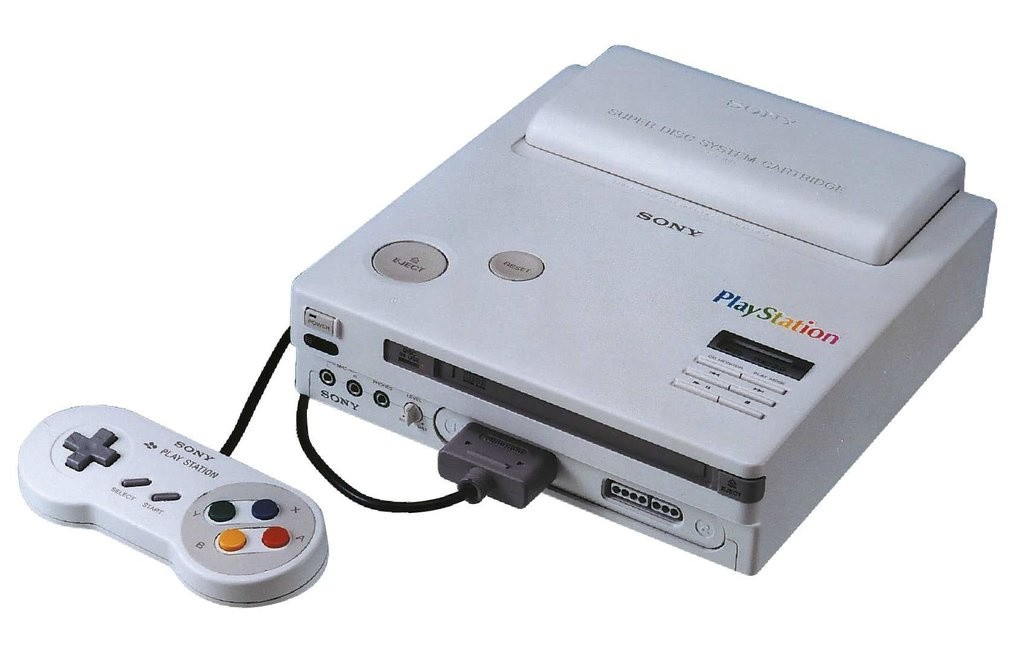
Pictures of the prototype console surfaced online, displaying a visibly aged but unmistakable unit that perfectly matches official press photographs circulated nearly two decades ago.
Reportedly salvaged from potential destruction by the father of the current owner—unaware of its historical significance—the SNES PlayStation’s rediscovery offers an unprecedented glimpse into a pivotal crossroads in video game hardware development.
The SNES PlayStation was the product of a brief but transformative alliance between two industry titans: Nintendo and Sony.
Though now entrenched as rivals, in the early 1990s the companies saw mutual benefit in collaboration.
Their partnership began with the Super Nintendo Entertainment System, for which Sony engineer Ken Kutaragi developed the influential SPC 700 sound chip.
The SPC 700 delivered superior audio quality for its era, cementing the SNES as a technical powerhouse against contemporaries.
Buoyed by this success, Nintendo engaged Sony for a more ambitious undertaking: a CD-ROM add-on for the SNES.
The planned partnership entailed the release of both a Nintendo-branded CD add-on and a standalone Sony-manufactured console known as the SNES PlayStation.
However, neither device reached mass production.
In a surprising turn at the 1991 Consumer Electronics Show, Nintendo abruptly announced a new partnership with Philips, stunning Sony and publicly ending the collaboration.
The move left Sony facing public embarrassment, a strategic setback attributed to Nintendo’s president Hiroshi Yamauchi, who reportedly orchestrated the abrupt split.
The breakdown of the deal stemmed from escalating demands.
Sony proposed retaining publishing control and royalties over all SNES CD-ROM titles, including those developed by Nintendo.
Concerned about ceding too much leverage to an electronics company with limited gaming experience, Nintendo ultimately withdrew.
Had the arrangement proceeded, Nintendo risked allowing Sony to dominate both hardware and software aspects, which was a scenario it would not tolerate.
Contemporaneous CD-based consoles struggled to gain commercial traction.
Systems like the NEC PC Engine Duo and Sega’s Mega-CD had limited success and often failed to justify the additional investment for consumers.
Most titles offered minor enhancements, such as full-motion video or improved audio, but core gameplay innovations were lacking.
The SNES PlayStation, leveraging Sony’s "Super CD" standard, likely would have faced similar challenges.
The list of potential SNES CD-ROM games remained underwhelming, with titles like FMV-based The 7th Guest representing the platform's limited appeal.
Ironically, had the collaboration proceeded, Sony may never have achieved gaming dominance.
Failure in the CD-era might have discouraged continued investment in hardware development.
Instead, spurred by the disappointment and guided by executive Norio Ohga, Sony propelled Kutaragi to develop the PlayStation, igniting the 32-bit revolution and establishing a new industry paradigm.
Nintendo’s calculated exit birthed a powerful competitor that fundamentally altered the home console market.
The SNES PlayStation prototype and its turbulent history remain a unique chapter.
Its very existence symbolizes a time of immense risk and transformation, when industry juggernauts made—and lost—alliances that continue to shape gaming.
The prototype’s rarity and the magnitude of its story ensure its place as one of the most intriguing artifacts in video game history.
Pictures of the prototype console surfaced online, displaying a visibly aged but unmistakable unit that perfectly matches official press photographs circulated nearly two decades ago.
Reportedly salvaged from potential destruction by the father of the current owner—unaware of its historical significance—the SNES PlayStation’s rediscovery offers an unprecedented glimpse into a pivotal crossroads in video game hardware development.
The SNES PlayStation was the product of a brief but transformative alliance between two industry titans: Nintendo and Sony.
Though now entrenched as rivals, in the early 1990s the companies saw mutual benefit in collaboration.
Their partnership began with the Super Nintendo Entertainment System, for which Sony engineer Ken Kutaragi developed the influential SPC 700 sound chip.
The SPC 700 delivered superior audio quality for its era, cementing the SNES as a technical powerhouse against contemporaries.
Buoyed by this success, Nintendo engaged Sony for a more ambitious undertaking: a CD-ROM add-on for the SNES.
The planned partnership entailed the release of both a Nintendo-branded CD add-on and a standalone Sony-manufactured console known as the SNES PlayStation.
However, neither device reached mass production.
In a surprising turn at the 1991 Consumer Electronics Show, Nintendo abruptly announced a new partnership with Philips, stunning Sony and publicly ending the collaboration.
The move left Sony facing public embarrassment, a strategic setback attributed to Nintendo’s president Hiroshi Yamauchi, who reportedly orchestrated the abrupt split.
The breakdown of the deal stemmed from escalating demands.
Sony proposed retaining publishing control and royalties over all SNES CD-ROM titles, including those developed by Nintendo.
Concerned about ceding too much leverage to an electronics company with limited gaming experience, Nintendo ultimately withdrew.
Had the arrangement proceeded, Nintendo risked allowing Sony to dominate both hardware and software aspects, which was a scenario it would not tolerate.
Contemporaneous CD-based consoles struggled to gain commercial traction.
Systems like the NEC PC Engine Duo and Sega’s Mega-CD had limited success and often failed to justify the additional investment for consumers.
Most titles offered minor enhancements, such as full-motion video or improved audio, but core gameplay innovations were lacking.
The SNES PlayStation, leveraging Sony’s "Super CD" standard, likely would have faced similar challenges.
The list of potential SNES CD-ROM games remained underwhelming, with titles like FMV-based The 7th Guest representing the platform's limited appeal.
Ironically, had the collaboration proceeded, Sony may never have achieved gaming dominance.
Failure in the CD-era might have discouraged continued investment in hardware development.
Instead, spurred by the disappointment and guided by executive Norio Ohga, Sony propelled Kutaragi to develop the PlayStation, igniting the 32-bit revolution and establishing a new industry paradigm.
Nintendo’s calculated exit birthed a powerful competitor that fundamentally altered the home console market.
The SNES PlayStation prototype and its turbulent history remain a unique chapter.
Its very existence symbolizes a time of immense risk and transformation, when industry juggernauts made—and lost—alliances that continue to shape gaming.
The prototype’s rarity and the magnitude of its story ensure its place as one of the most intriguing artifacts in video game history.