


Tim Langdell, the controversial figure behind Edge Games, has filed a federal complaint against French developer Mobigame in the Eastern District of Virginia, reigniting a dispute over the use of the word "EDGE" that has affected publishers and developers for decades.
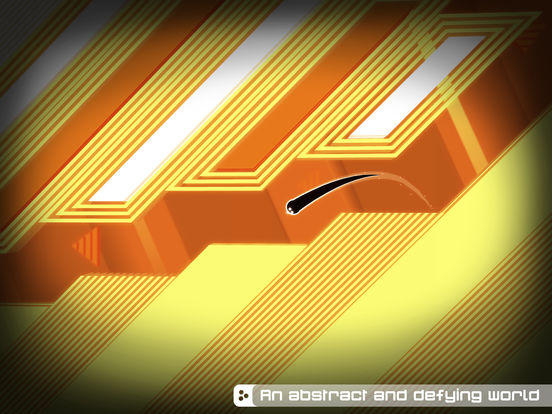
The case revisits events from 2009, when Mobigame's iOS title EDGE was briefly removed from Apple's App Store following legal threats tied to Langdell's trademark claims.
Background and industry context
Mobigame, led by CEO David Papazian, published EDGE on iOS and other mobile platforms.
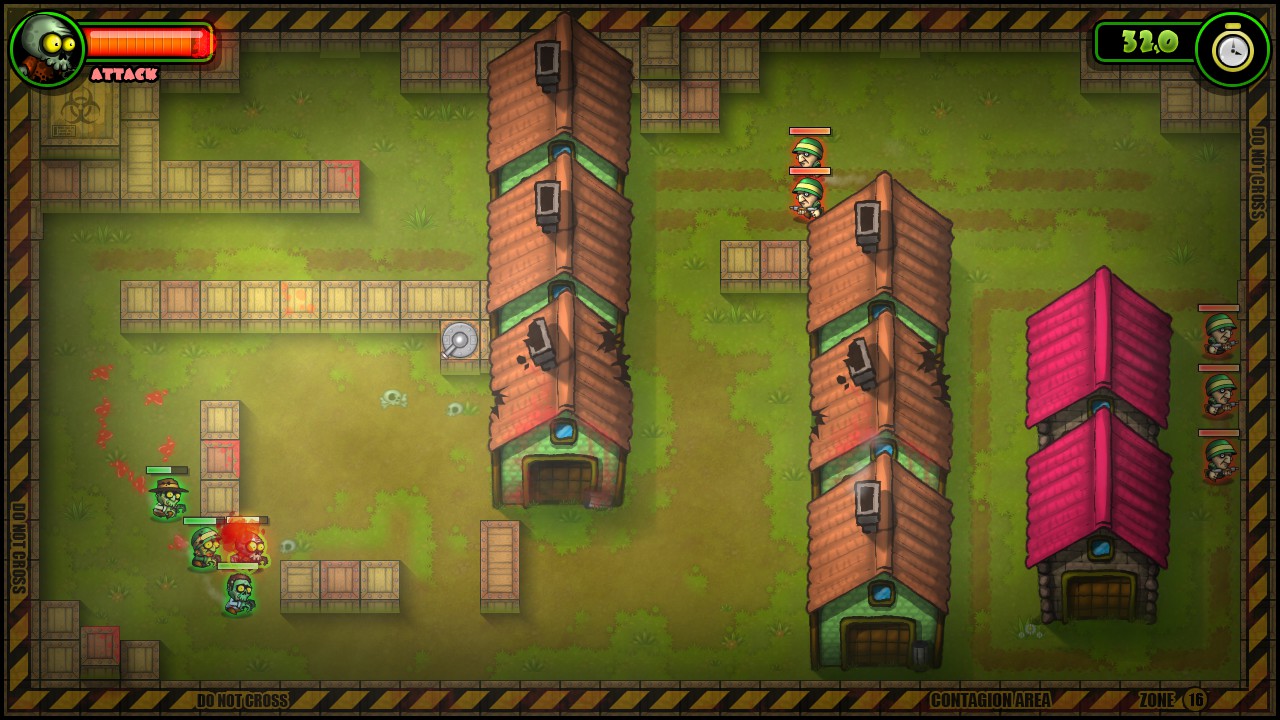
The studio later found commercial success with Zombie Tsunami, which Papazian cites as having more than 500 million downloads, a milestone the company says strengthens its ability to contest the renewed legal action.
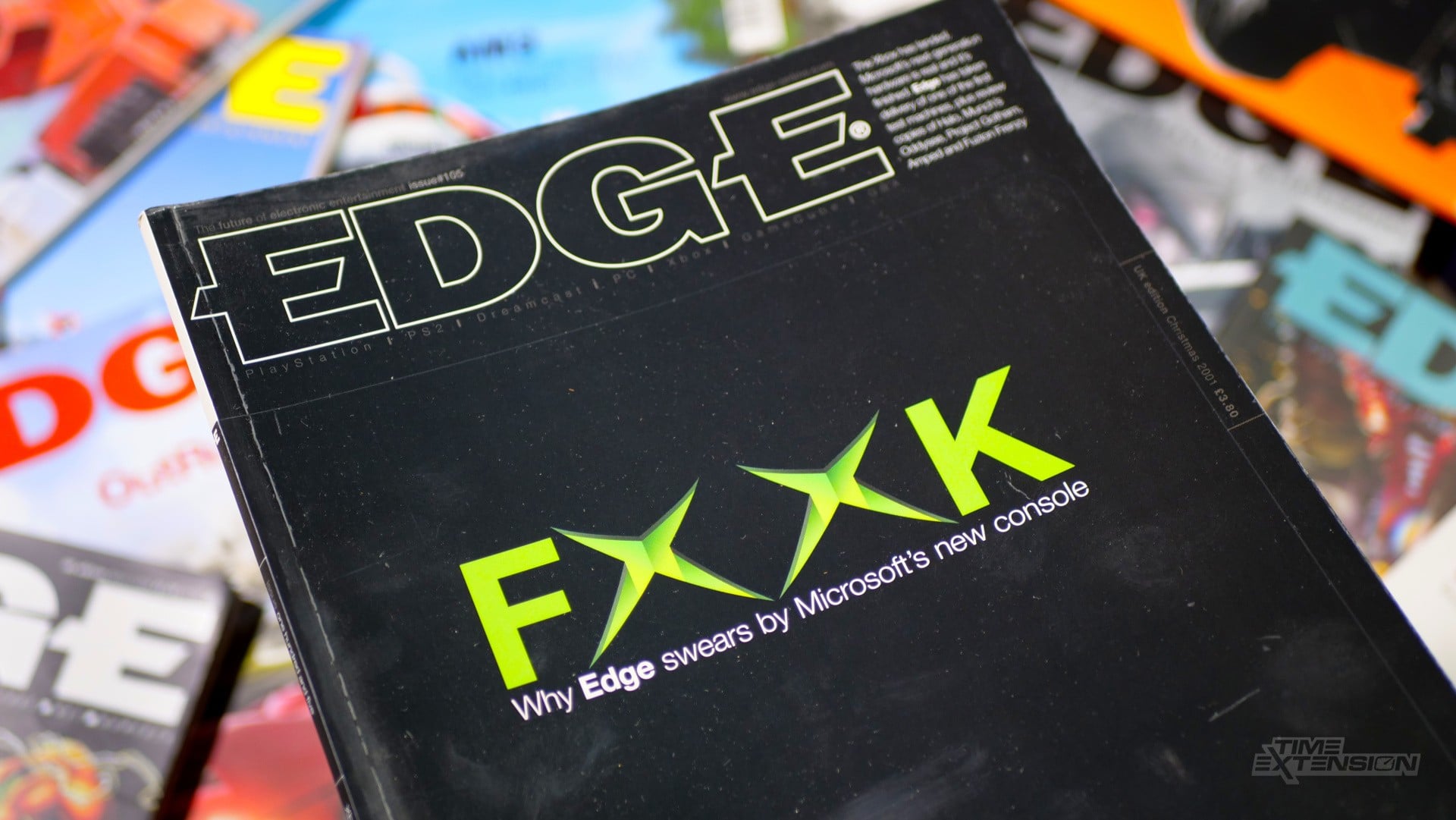
Historically, Langdell's enforcement of the EDGE mark has forced concessions from other companies: Future Publishing licensed the trademark for its EDGE magazine in 1993 and later bought out the relevant portion from Langdell in 2005, while Namco renamed Soul Edge to Soul Blade to avoid conflict and later rebranded the series as Soulcalibur.
Claims and technical counterarguments
Papazian has publicly detailed Mobigame's response on LinkedIn.
He summarized the core of the new complaint, saying Langdell alleges the Edge Games mark was used in U.S. commerce as early as 2003 via a mobile title called Bobby Bearing.
Papazian counters that the evidence cited is a J2ME/Java mobile build distributed primarily in Europe and therefore does not demonstrate U.S. trademark use prior to the 2010 use-based application Langdell is attempting to revive.
Papazian also explained that Mobigame contacted the developer of the Bobby Bearing J2ME version, who confirmed their team produced and distributed that build in Europe, not the U.S. The developer said a BREW port for the U.S. market was discussed but never delivered under the proposed conditions; screenshots Langdell submitted carry the name of Artegence, the Polish company involved, which Papazian says further undermines Langdell's claim of independent U.S. commercial use.
Mobigame's stance and next steps
Papazian stated Mobigame will contest the case publicly and pursue discovery, seeking documents, metadata, sales records and communications that substantiate Langdell's claims.
He said the studio will seek full compensation if the evidence supports its position and intends to document the matter so the industry can learn from it.
Personal notes on Langdell
Tim Langdell currently describes himself as an ordained priest and chaplain and has published works on computing and the ZX Spectrum.
His historic trademark enforcement remains a notable episode in video game legal history, having influenced naming and licensing decisions across the industry.
The case revisits events from 2009, when Mobigame's iOS title EDGE was briefly removed from Apple's App Store following legal threats tied to Langdell's trademark claims.
Background and industry context
Mobigame, led by CEO David Papazian, published EDGE on iOS and other mobile platforms.
The studio later found commercial success with Zombie Tsunami, which Papazian cites as having more than 500 million downloads, a milestone the company says strengthens its ability to contest the renewed legal action.
Historically, Langdell's enforcement of the EDGE mark has forced concessions from other companies: Future Publishing licensed the trademark for its EDGE magazine in 1993 and later bought out the relevant portion from Langdell in 2005, while Namco renamed Soul Edge to Soul Blade to avoid conflict and later rebranded the series as Soulcalibur.
Claims and technical counterarguments
Papazian has publicly detailed Mobigame's response on LinkedIn.
He summarized the core of the new complaint, saying Langdell alleges the Edge Games mark was used in U.S. commerce as early as 2003 via a mobile title called Bobby Bearing.
Papazian counters that the evidence cited is a J2ME/Java mobile build distributed primarily in Europe and therefore does not demonstrate U.S. trademark use prior to the 2010 use-based application Langdell is attempting to revive.
Papazian also explained that Mobigame contacted the developer of the Bobby Bearing J2ME version, who confirmed their team produced and distributed that build in Europe, not the U.S. The developer said a BREW port for the U.S. market was discussed but never delivered under the proposed conditions; screenshots Langdell submitted carry the name of Artegence, the Polish company involved, which Papazian says further undermines Langdell's claim of independent U.S. commercial use.
Mobigame's stance and next steps
Papazian stated Mobigame will contest the case publicly and pursue discovery, seeking documents, metadata, sales records and communications that substantiate Langdell's claims.
He said the studio will seek full compensation if the evidence supports its position and intends to document the matter so the industry can learn from it.
Personal notes on Langdell
Tim Langdell currently describes himself as an ordained priest and chaplain and has published works on computing and the ZX Spectrum.
His historic trademark enforcement remains a notable episode in video game legal history, having influenced naming and licensing decisions across the industry.


