
Capcom’s highly anticipated Monster Hunter Stories 3: Twisted Reflection is set to launch on Nintendo Switch 2 on March 13, 2026, alongside releases for PlayStation 5 and Xbox Series S.
With the game’s new demo recently unveiled, fans and analysts alike have been closely examining the visual and performance differences across these major platforms.
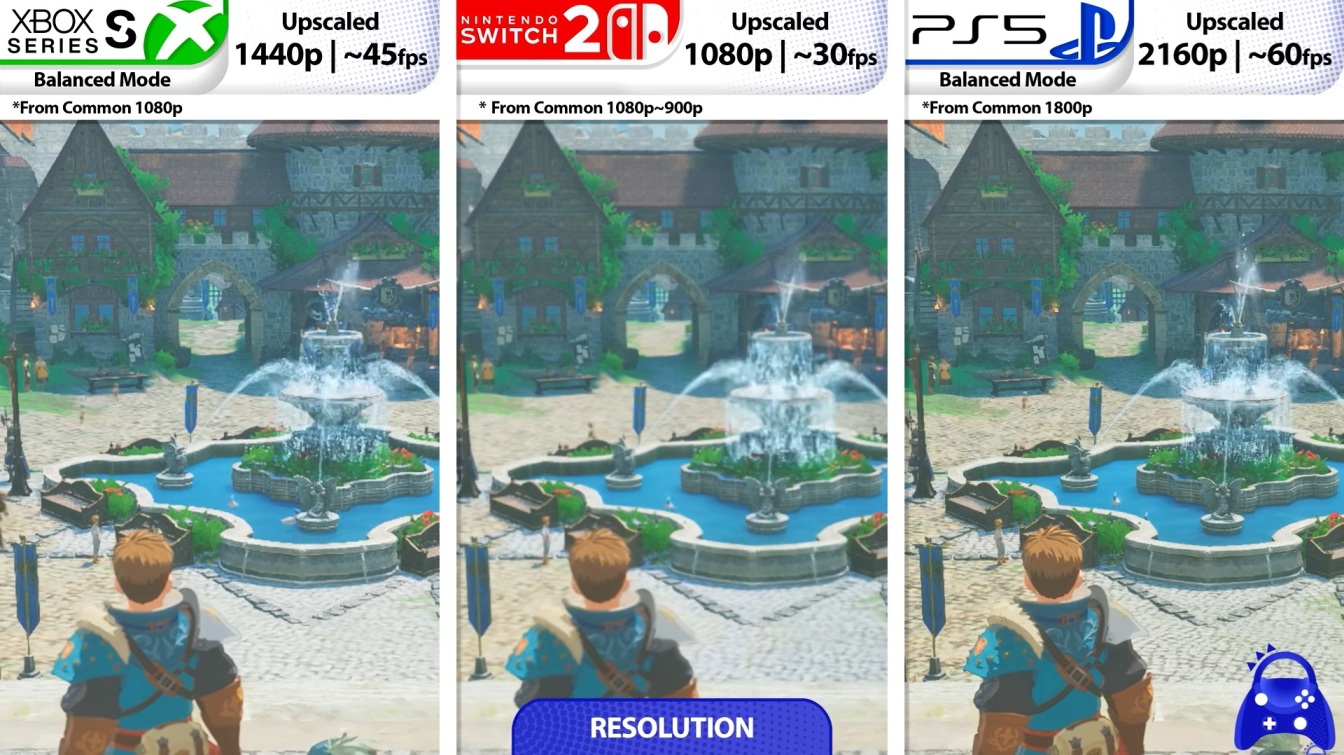
A fresh graphics comparison video has surfaced, shedding light on how each version performs, particularly focusing on frame rate stability, display modes, and overall user experience.
From the outset, Capcom’s approach to Monster Hunter Stories 3: Twisted Reflection aims to push the hardware capabilities of each console.
The Nintendo Switch 2 version, in particular, has generated interest and discussion.
Observers have noted that while performance in docked mode on the Switch 2 remains fairly stable—offering an experience that is comparable to or, in some instances, more consistent than the Xbox Series S—the game faces some challenges in portable mode.
Specifically, there are reported drops below 30 frames per second when playing on the go, though these dips largely disappear when the device is docked.
Capcom has not yet committed to a frame rate cap for any platform, which contributes to these fluctuations.
Journalistic summaries of the graphics comparison highlight that the Nintendo Switch 2 version, though shipped with only one display mode similar to a 'balanced' preset, continuously strives to maintain visual fidelity regardless of platform.
In contrast, PlayStation 5 and Xbox Series S versions offer players three distinct display options, allowing for increased customization between performance, resolution, and visual enhancements.
On Switch 2, users will find the standard default setting preconfigured for balanced gameplay.
A member of the development team has summarized the situation by stating, "On Nintendo Switch 2, docked performance is reliably smooth and even surpasses Xbox Series S in terms of frame rate stability.
Portable mode, however, still experiences some fluctuation, and we appreciate player feedback as we work toward further optimization." This statement acknowledges both the strengths and areas of improvement for the Switch 2 version—a sentiment reflected by early users in the newly released demo.
Capcom continues to refine Monster Hunter Stories 3: Twisted Reflection ahead of its launch, emphasizing their commitment to delivering a high-quality JRPG experience regardless of platform.
With cross-platform comparisons fueled by official demo releases on the Nintendo eShop and other storefronts, fans are encouraged to try the game firsthand and share feedback that could influence future optimizations and updates.
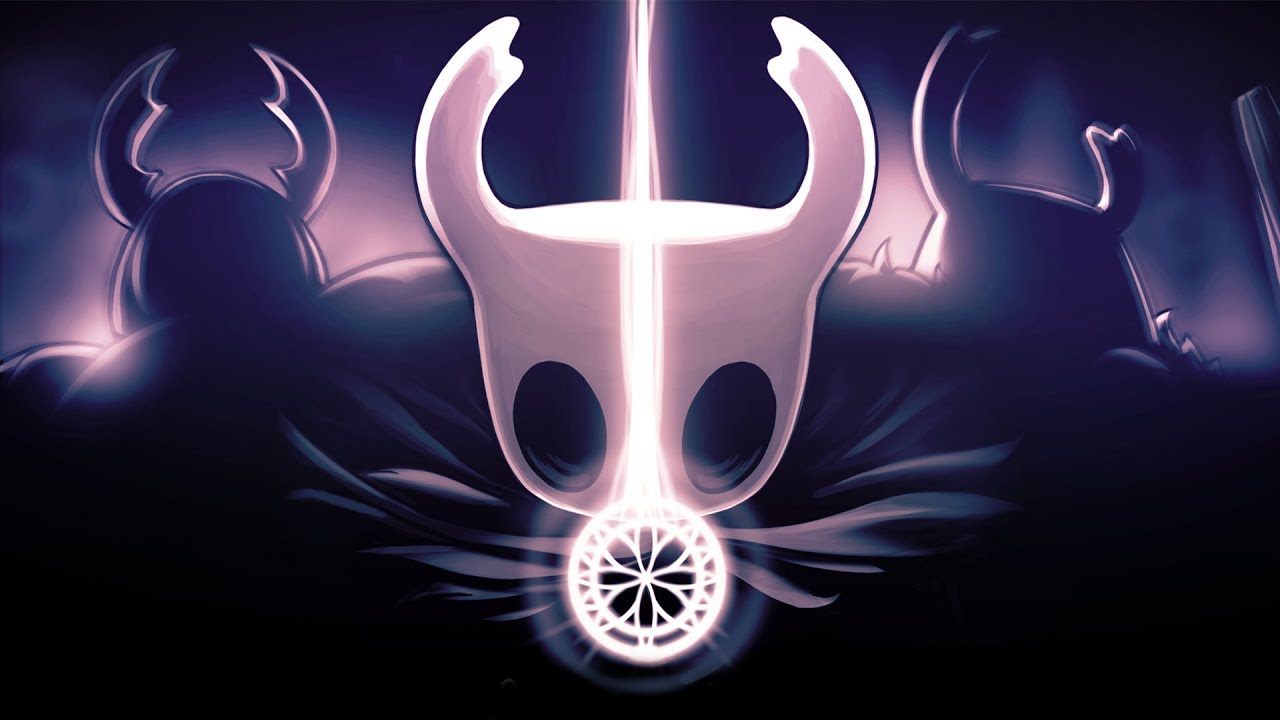
For those interested in technical breakdowns, additional graphics comparison videos are available for Capcom’s upcoming Pragmata and the anticipated Hollow Knight sequel, offering further insight into how modern games are performing on the latest hardware.
Monster Hunter Stories 3: Twisted Reflection launches worldwide for Nintendo Switch 2, PlayStation 5, and Xbox Series S on March 13, 2026.
Stay tuned to official channels and the Capcom website for the latest updates and post-release support details.
With the game’s new demo recently unveiled, fans and analysts alike have been closely examining the visual and performance differences across these major platforms.
A fresh graphics comparison video has surfaced, shedding light on how each version performs, particularly focusing on frame rate stability, display modes, and overall user experience.
From the outset, Capcom’s approach to Monster Hunter Stories 3: Twisted Reflection aims to push the hardware capabilities of each console.
The Nintendo Switch 2 version, in particular, has generated interest and discussion.
Observers have noted that while performance in docked mode on the Switch 2 remains fairly stable—offering an experience that is comparable to or, in some instances, more consistent than the Xbox Series S—the game faces some challenges in portable mode.
Specifically, there are reported drops below 30 frames per second when playing on the go, though these dips largely disappear when the device is docked.
Capcom has not yet committed to a frame rate cap for any platform, which contributes to these fluctuations.
Journalistic summaries of the graphics comparison highlight that the Nintendo Switch 2 version, though shipped with only one display mode similar to a 'balanced' preset, continuously strives to maintain visual fidelity regardless of platform.
In contrast, PlayStation 5 and Xbox Series S versions offer players three distinct display options, allowing for increased customization between performance, resolution, and visual enhancements.
On Switch 2, users will find the standard default setting preconfigured for balanced gameplay.
A member of the development team has summarized the situation by stating, "On Nintendo Switch 2, docked performance is reliably smooth and even surpasses Xbox Series S in terms of frame rate stability.
Portable mode, however, still experiences some fluctuation, and we appreciate player feedback as we work toward further optimization." This statement acknowledges both the strengths and areas of improvement for the Switch 2 version—a sentiment reflected by early users in the newly released demo.
Capcom continues to refine Monster Hunter Stories 3: Twisted Reflection ahead of its launch, emphasizing their commitment to delivering a high-quality JRPG experience regardless of platform.
With cross-platform comparisons fueled by official demo releases on the Nintendo eShop and other storefronts, fans are encouraged to try the game firsthand and share feedback that could influence future optimizations and updates.
For those interested in technical breakdowns, additional graphics comparison videos are available for Capcom’s upcoming Pragmata and the anticipated Hollow Knight sequel, offering further insight into how modern games are performing on the latest hardware.
Monster Hunter Stories 3: Twisted Reflection launches worldwide for Nintendo Switch 2, PlayStation 5, and Xbox Series S on March 13, 2026.
Stay tuned to official channels and the Capcom website for the latest updates and post-release support details.