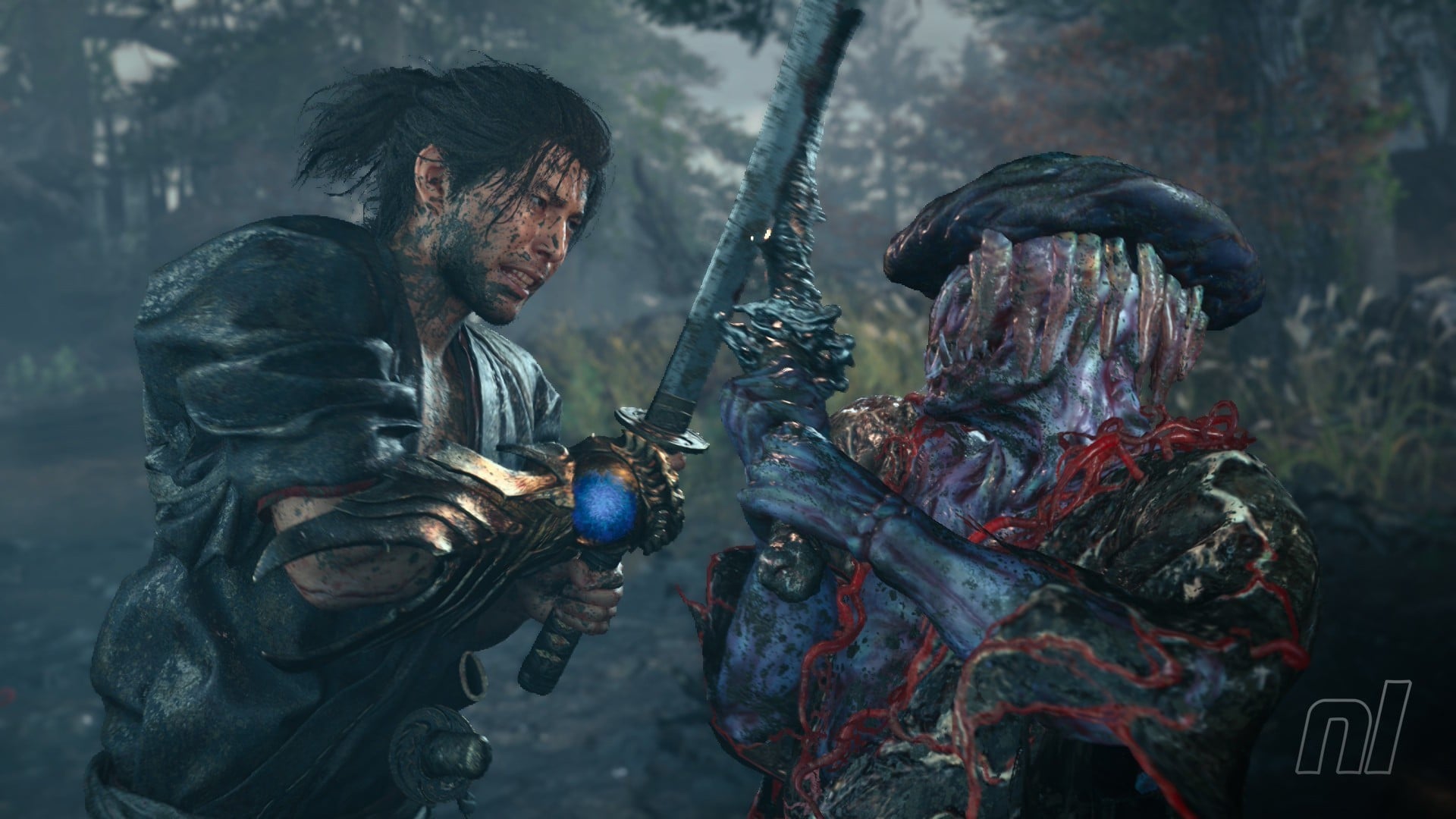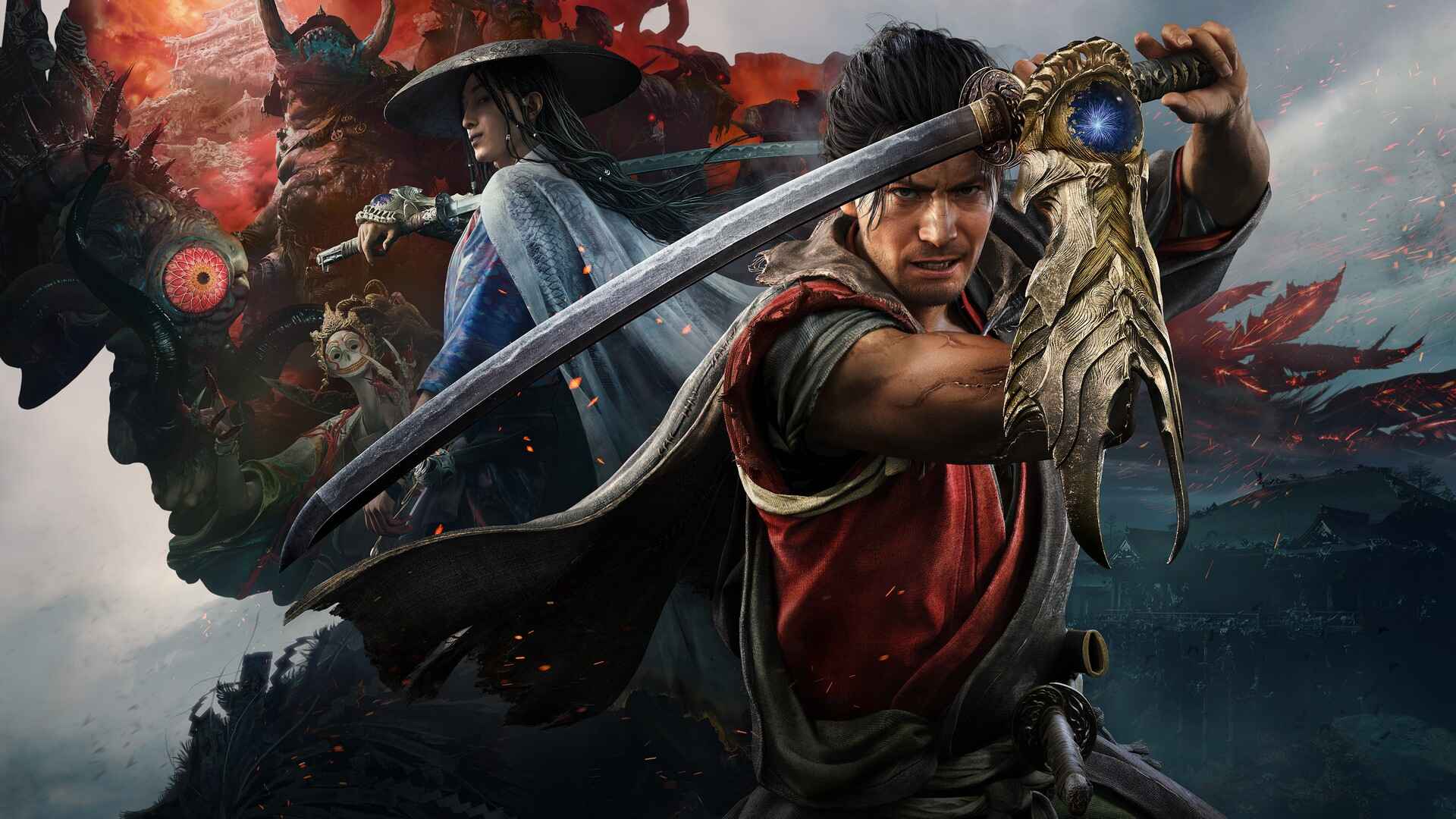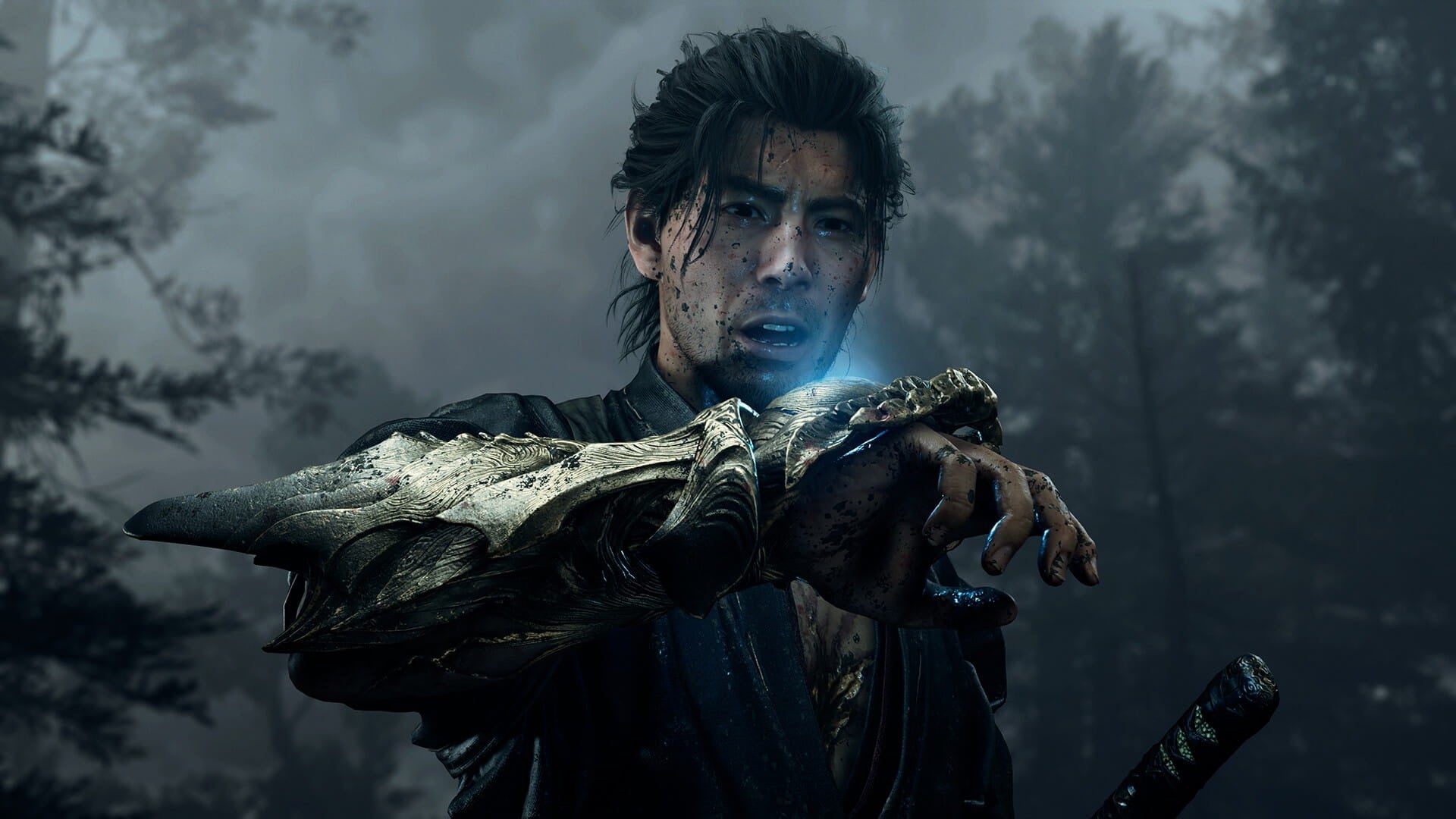
Digital Foundry’s tech analysis of Onimusha: Way of the Sword sheds new light on how Capcom’s revival of the samurai franchise performs on Nintendo’s next-generation handheld hardware.
The title, developed and published by Capcom, arrives on multiple platforms and has drawn particular attention for its Switch 2 implementation.
This article summarizes verified technical findings and critical reception for readers tracking multi-platform performance and developer optimisation work.
Digital Foundry’s review — as relayed by Ollie Reynolds — identifies the Switch 2 edition as likely Capcom’s strongest effort on that hardware so far, largely due to an optional 30fps performance mode.
Reporters note players can leave the frame rate unlocked, which remains playable in practice, but enabling the 30fps cap yields more consistent frame timing and a modest improvement in visual fidelity.
On the visual front, Digital Foundry documents measurable trade-offs on Switch 2 compared with higher-end consoles.
Docked resolution reaches up to 1080p but can drop below that ceiling during heavier scenes; the portable presentation targets 900p.
Reviewers also observed a drop in contrast and some resolution compromises versus the PS5 Pro build, yet they conclude the Switch 2 release delivers the full Onimusha experience despite those sensible reductions.
Put in plain terms, Digital Foundry’s assessment is that the Switch 2 version remains a credible and satisfying representation of the game: while it makes sensible concessions to run on Nintendo’s platform, it still presents the core content and gameplay in a way that compares favorably with the PlayStation 5 Pro edition.
Critical reception outside technical analysis has been strong.
The reviewing outlet awarded Onimusha: Way of the Sword a 9/10 score, describing the release as a successful revival of Capcom’s samurai franchise that innovates on gameplay while preserving the series’ essential identity.
For Nintendo Switch and Switch 2 owners monitoring Capcom’s platform support, Digital Foundry’s findings provide a concrete view of performance choices and visual compromises.
The piece reinforces that developer optimisation decisions — such as offering a 30fps cap — can meaningfully stabilise performance and polish presentation on constrained hardware while still delivering the broader, cross-platform experience available on consoles like the PS5 Pro.
Readers interested in technical breakdowns can watch Digital Foundry’s full video analysis for frame-by-frame comparisons and deeper metrics.
The title, developed and published by Capcom, arrives on multiple platforms and has drawn particular attention for its Switch 2 implementation.
This article summarizes verified technical findings and critical reception for readers tracking multi-platform performance and developer optimisation work.
Digital Foundry’s review — as relayed by Ollie Reynolds — identifies the Switch 2 edition as likely Capcom’s strongest effort on that hardware so far, largely due to an optional 30fps performance mode.
Reporters note players can leave the frame rate unlocked, which remains playable in practice, but enabling the 30fps cap yields more consistent frame timing and a modest improvement in visual fidelity.
On the visual front, Digital Foundry documents measurable trade-offs on Switch 2 compared with higher-end consoles.
Docked resolution reaches up to 1080p but can drop below that ceiling during heavier scenes; the portable presentation targets 900p.
Reviewers also observed a drop in contrast and some resolution compromises versus the PS5 Pro build, yet they conclude the Switch 2 release delivers the full Onimusha experience despite those sensible reductions.
Put in plain terms, Digital Foundry’s assessment is that the Switch 2 version remains a credible and satisfying representation of the game: while it makes sensible concessions to run on Nintendo’s platform, it still presents the core content and gameplay in a way that compares favorably with the PlayStation 5 Pro edition.
Critical reception outside technical analysis has been strong.
The reviewing outlet awarded Onimusha: Way of the Sword a 9/10 score, describing the release as a successful revival of Capcom’s samurai franchise that innovates on gameplay while preserving the series’ essential identity.
For Nintendo Switch and Switch 2 owners monitoring Capcom’s platform support, Digital Foundry’s findings provide a concrete view of performance choices and visual compromises.
The piece reinforces that developer optimisation decisions — such as offering a 30fps cap — can meaningfully stabilise performance and polish presentation on constrained hardware while still delivering the broader, cross-platform experience available on consoles like the PS5 Pro.
Readers interested in technical breakdowns can watch Digital Foundry’s full video analysis for frame-by-frame comparisons and deeper metrics.