



When Vampire Survivors exploded into the public eye in early 2022, it appeared to arrive overnight—but the game’s roots were already visible.
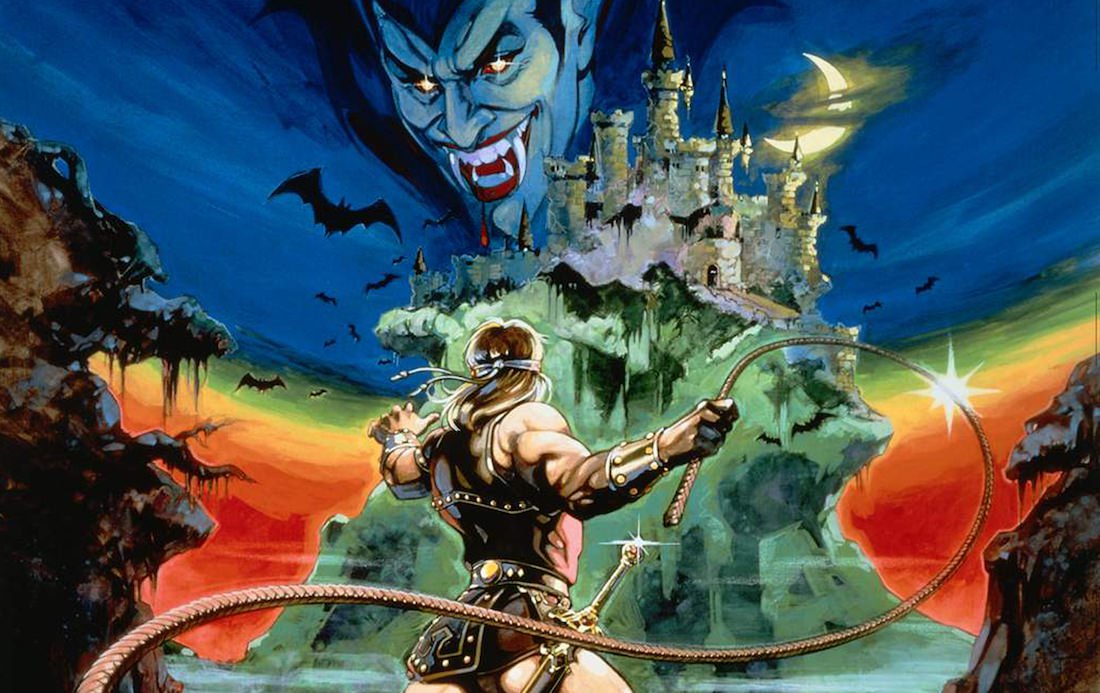
Developer poncle cited influences from the 2019 mobile title Magic Survival and the Castlevania series, and over time the studio expanded Vampire Survivors with multiple updates and content drops.
That design lineage is the foundation for Vampire Crawlers, a spin-off co-developed by poncle and Nosebleed Interactive (known for Arcade Paradise) that reinterprets the series’ comforting loop in a first-person dungeon-crawler with deckbuilding and roguelite elements.
Design and gameplay
Vampire Crawlers pares back many traditional dungeon-crawler frustrations in favor of quick, approachable runs.
The core loop places players in a step-by-step first-person dungeon with a visible floor map and marked enemy locations, making exploration a matter of tactical choice rather than aimless wandering.
Combat plays out through a turn-based card system: players are offered attack, armor, modifier, and special Hunter cards, each costing a portion of a limited mana pool per turn.
Enemies first deplete armor, then hit points; defeat sends characters back to town with gold and potential unlocks.
Rewritten statement for clarity: The spin-off intentionally removes cumbersome design elements from classic dungeon crawlers, focusing instead on bite-sized, strategic encounters that emphasize momentum and unlock-driven progression.
Progression and systems
Vampire Crawlers blends familiar roguelite progression—permanent unlocks, evolving cards, and gem-based modifiers—with a light deckbuilding structure.
Players acquire new cards from treasure chests and level-up rewards, can socket gems to tweak abilities, and occasionally must sacrifice cards for immediate gains.
Simple sequencing tricks (playing low-cost cards into higher-cost ones) and card evolution add strategic depth without overwhelming newcomers.
Performance and platform notes
This review tested Vampire Crawlers on both Nintendo Switch and Nintendo Switch 2.
Owners of the original Switch can claim the Switch 2 version as a free upgrade and perform a one-way save transfer.
The Switch 2 delivers smoother frame rates and shorter load times, while the original Switch shows occasional frame dips and longer loads when particle effects are heavy.
Both platforms are playable, but Switch 2 provides a more consistent experience.
Who should play it
Vampire Crawlers is best suited to players who enjoyed the warm, addictive design of Vampire Survivors and want a lighter, more accessible take on deckbuilding dungeon crawlers.
It’s not aimed at hardcore genre purists, but its polished presentation, unlock loop, and breezy runs make it an appealing pick for fans of poncle’s prior work.
Version tested: Nintendo Switch 2.
Review copy provided by poncle.
Developer poncle cited influences from the 2019 mobile title Magic Survival and the Castlevania series, and over time the studio expanded Vampire Survivors with multiple updates and content drops.
That design lineage is the foundation for Vampire Crawlers, a spin-off co-developed by poncle and Nosebleed Interactive (known for Arcade Paradise) that reinterprets the series’ comforting loop in a first-person dungeon-crawler with deckbuilding and roguelite elements.
Design and gameplay
Vampire Crawlers pares back many traditional dungeon-crawler frustrations in favor of quick, approachable runs.
The core loop places players in a step-by-step first-person dungeon with a visible floor map and marked enemy locations, making exploration a matter of tactical choice rather than aimless wandering.
Combat plays out through a turn-based card system: players are offered attack, armor, modifier, and special Hunter cards, each costing a portion of a limited mana pool per turn.
Enemies first deplete armor, then hit points; defeat sends characters back to town with gold and potential unlocks.
Rewritten statement for clarity: The spin-off intentionally removes cumbersome design elements from classic dungeon crawlers, focusing instead on bite-sized, strategic encounters that emphasize momentum and unlock-driven progression.
Progression and systems
Vampire Crawlers blends familiar roguelite progression—permanent unlocks, evolving cards, and gem-based modifiers—with a light deckbuilding structure.
Players acquire new cards from treasure chests and level-up rewards, can socket gems to tweak abilities, and occasionally must sacrifice cards for immediate gains.
Simple sequencing tricks (playing low-cost cards into higher-cost ones) and card evolution add strategic depth without overwhelming newcomers.
Performance and platform notes
This review tested Vampire Crawlers on both Nintendo Switch and Nintendo Switch 2.
Owners of the original Switch can claim the Switch 2 version as a free upgrade and perform a one-way save transfer.
The Switch 2 delivers smoother frame rates and shorter load times, while the original Switch shows occasional frame dips and longer loads when particle effects are heavy.
Both platforms are playable, but Switch 2 provides a more consistent experience.
Who should play it
Vampire Crawlers is best suited to players who enjoyed the warm, addictive design of Vampire Survivors and want a lighter, more accessible take on deckbuilding dungeon crawlers.
It’s not aimed at hardcore genre purists, but its polished presentation, unlock loop, and breezy runs make it an appealing pick for fans of poncle’s prior work.
Version tested: Nintendo Switch 2.
Review copy provided by poncle.