In a significant development for the gaming industry and intellectual property law, the United States Patent and Trademark Office (USPTO) has officially revoked a patent granted to Nintendo concerning a game mechanic described as "summoning a character and allowing it to fight another." This patent, which had faced criticism for its broad and vague scope, was reexamined following a directive by USPTO Director John A.
Squires in November 2023.
Nintendo, a leading force in video game hardware and software with a storied history on platforms like the Nintendo Switch, initially secured this patent in a bid to protect a gameplay feature that echoes mechanics seen in franchises such as Pokémon.
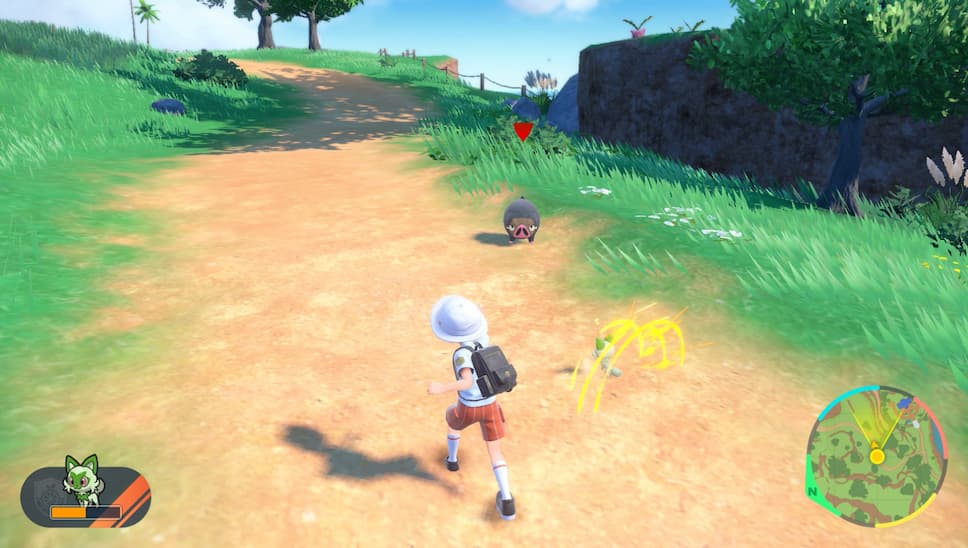
The feature involves a sub-character being summoned to fight alongside or on behalf of the player, potentially through automatic or manual player control.
According to reports from industry publication GamesFray, the USPTO's reexamination evaluated all 26 claims made in Nintendo's filing.
The patent office concluded the claims were “obvious” in light of prior art and therefore not eligible for patent protection.
Highlighting the decision, the USPTO referenced similar patents granted to both Konami and Nintendo in the past, specifically naming the “Motokura” patent issued to Nintendo in 2022 and the “Shimomoto” patent secured by Bandai Namco in 2020.
Director Squires noted that the combination of these existing patents effectively invalidated Nintendo's 26 current claims, affirming that the gameplay mechanic was not a novel invention under US patent law.
Nintendo was initially provided with a window of several weeks to respond to this investigative action.
However, after the company missed the initial deadline, the USPTO proceeded with its analysis and subsequent decision.
All 26 claims in the patent were rejected, with the office emphasizing that gameplay itself was not reviewed—rather, the decision was based on the legal and technical merits of Nintendo's patent documentation.
While this ruling represents a setback for Nintendo’s efforts to secure exclusive rights over certain gameplay mechanics, the USPTO's decision is not yet final.
Nintendo retains the right to further respond within a two-month period, with the possibility of seeking extensions as permitted under agency rules.
The implications of this revocation may influence not only Nintendo’s strategies but also the broader approach that game developers and publishers take toward protecting innovative features through patents.
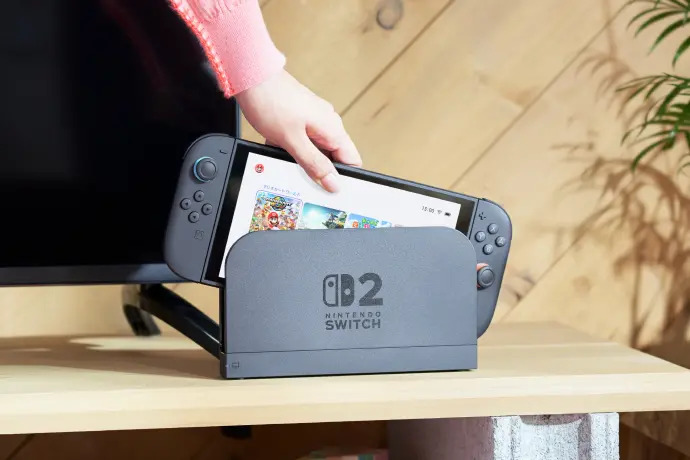
This case highlights the ongoing complexities of video game patents and the challenge of defining and safeguarding inventive mechanics, particularly as the industry continues to revisit established gameplay ideas on evolving platforms like the Nintendo Switch and via digital storefronts such as the Nintendo eShop.
The continued scrutiny from regulatory bodies like the USPTO is likely to play a vital role in shaping the boundaries of intellectual property within game development for years to come.
Squires in November 2023.
Nintendo, a leading force in video game hardware and software with a storied history on platforms like the Nintendo Switch, initially secured this patent in a bid to protect a gameplay feature that echoes mechanics seen in franchises such as Pokémon.
The feature involves a sub-character being summoned to fight alongside or on behalf of the player, potentially through automatic or manual player control.
According to reports from industry publication GamesFray, the USPTO's reexamination evaluated all 26 claims made in Nintendo's filing.
The patent office concluded the claims were “obvious” in light of prior art and therefore not eligible for patent protection.
Highlighting the decision, the USPTO referenced similar patents granted to both Konami and Nintendo in the past, specifically naming the “Motokura” patent issued to Nintendo in 2022 and the “Shimomoto” patent secured by Bandai Namco in 2020.
Director Squires noted that the combination of these existing patents effectively invalidated Nintendo's 26 current claims, affirming that the gameplay mechanic was not a novel invention under US patent law.
Nintendo was initially provided with a window of several weeks to respond to this investigative action.
However, after the company missed the initial deadline, the USPTO proceeded with its analysis and subsequent decision.
All 26 claims in the patent were rejected, with the office emphasizing that gameplay itself was not reviewed—rather, the decision was based on the legal and technical merits of Nintendo's patent documentation.
While this ruling represents a setback for Nintendo’s efforts to secure exclusive rights over certain gameplay mechanics, the USPTO's decision is not yet final.
Nintendo retains the right to further respond within a two-month period, with the possibility of seeking extensions as permitted under agency rules.
The implications of this revocation may influence not only Nintendo’s strategies but also the broader approach that game developers and publishers take toward protecting innovative features through patents.
This case highlights the ongoing complexities of video game patents and the challenge of defining and safeguarding inventive mechanics, particularly as the industry continues to revisit established gameplay ideas on evolving platforms like the Nintendo Switch and via digital storefronts such as the Nintendo eShop.
The continued scrutiny from regulatory bodies like the USPTO is likely to play a vital role in shaping the boundaries of intellectual property within game development for years to come.