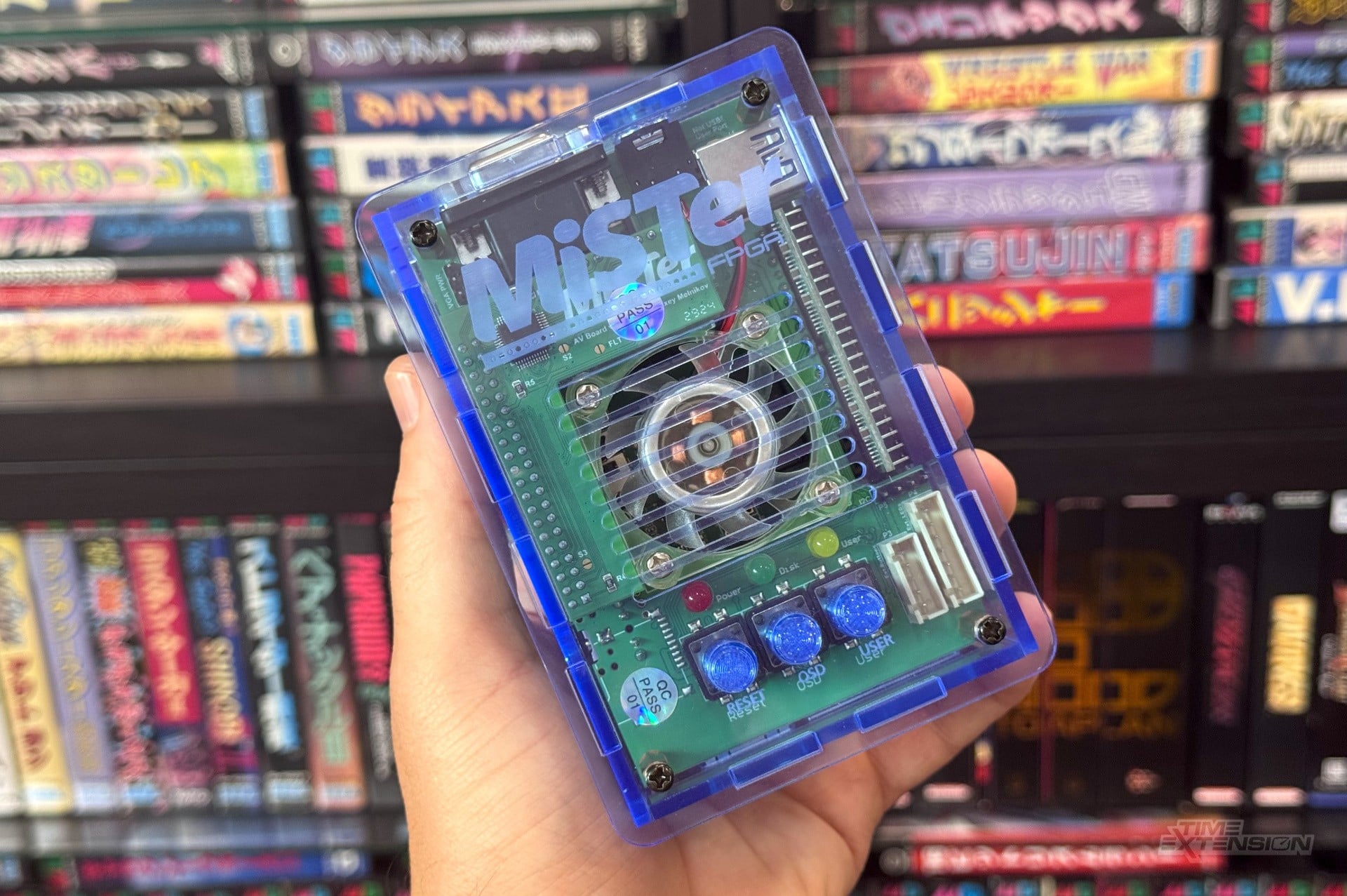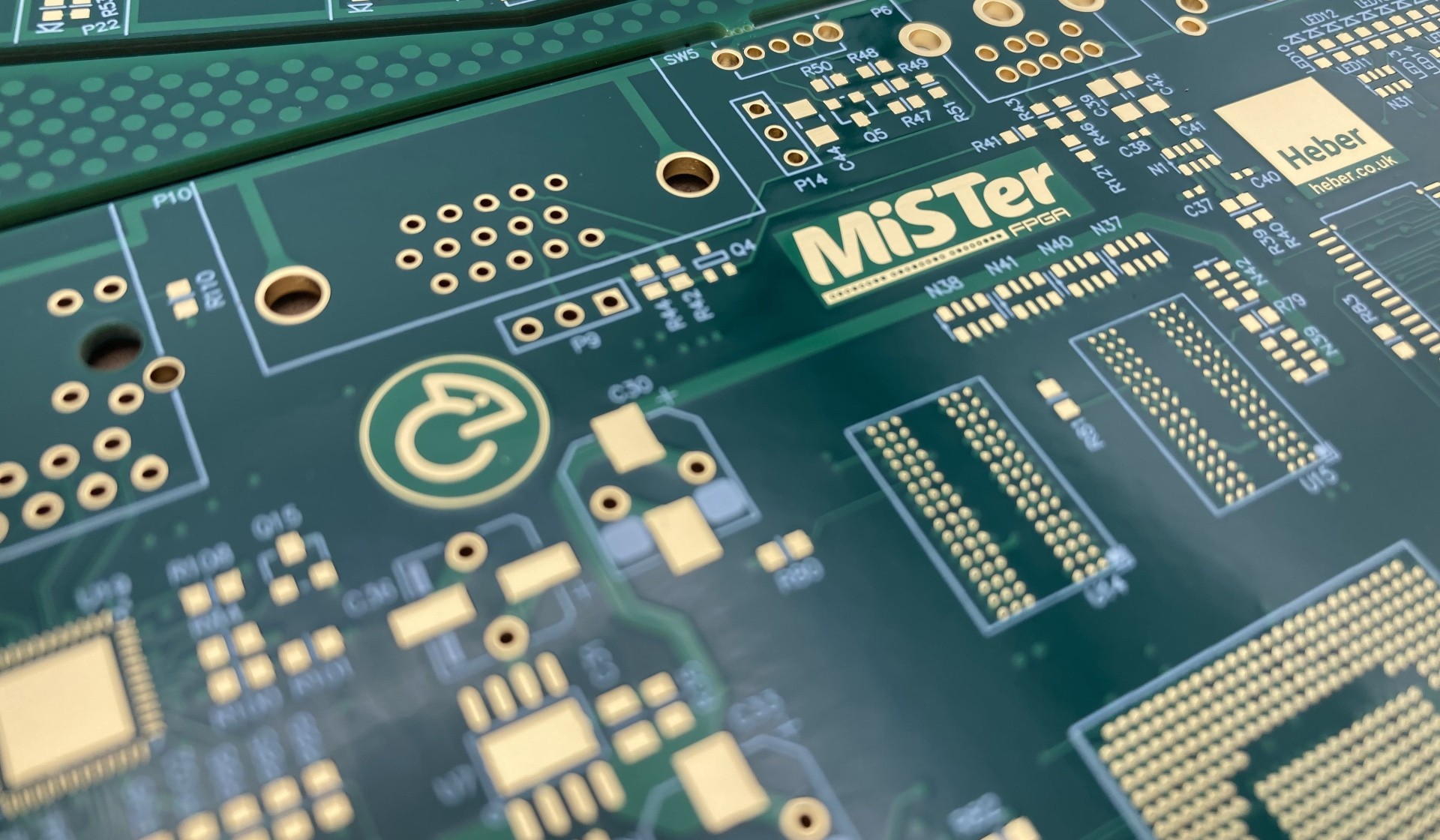
The Multisystem 2 is shaping up to be the first fully standalone, plug-and-play MiSTer FPGA console, with a target launch in 2025.
Built around the open-source MiSTer FPGA ecosystem, the Multisystem series aims to make hardware-level replication of classic consoles, computers and arcade machines more accessible to a wider audience.
MiSTer FPGA has gained recognition for delivering highly accurate emulation with minimal input latency by running system logic in FPGA cores rather than purely software-based emulation.
Most hobbyist MiSTer rigs are built around a Terasic DE10-Nano board, augmented by add-on modules such as SDRAM, an I/O board, and USB hubs — the configuration commonly referred to as the MiSTer "sandwich."
Created in the UK by developer Heber, the original Multisystem motherboard provided a more console-like arrangement for MiSTer users.
Multisystem 2 advances that concept by integrating the components typically provided by separate boards directly onto a single motherboard.
That change removes the need for users to source a DE10-Nano or install additional expansion boards to run MiSTer FPGA cores.
Paraphrasing the product announcement, the Multisystem 2 will be a complete system that does not require users to add a DE10-Nano, RAM, or other modular boards to enjoy MiSTer FPGA gaming.
Heber has also stated a commitment to keeping the retail price as low as feasible so more people can get involved in FPGA gaming and MiSTerFPGA.
Multisystem 2 will remain compatible with existing Multisystem cartridges, allowing owners of current Multisystem hardware to preserve functionality and expandability.
The project sits alongside other community spin-offs such as Taki Udon's MiSTer Pi and third-party FPGA efforts like Replay2, all of which highlight the active development and innovation within the retro hardware community.
For players used to modern platforms — for example Nintendo Switch users who access retro re-releases via the eShop or announcements through Nintendo Direct — the MiSTer ecosystem offers a different proposition: precise hardware replication and low-latency performance for original cartridges and controllers.
No pricing has been announced yet, and Heber has not provided a firm release date beyond the expected 2025 window.
Developers and retailers typically publish final specifications and availability closer to launch, and prospective buyers should watch official Multisystem channels for confirmed dates and ordering information.
Built around the open-source MiSTer FPGA ecosystem, the Multisystem series aims to make hardware-level replication of classic consoles, computers and arcade machines more accessible to a wider audience.
MiSTer FPGA has gained recognition for delivering highly accurate emulation with minimal input latency by running system logic in FPGA cores rather than purely software-based emulation.
Most hobbyist MiSTer rigs are built around a Terasic DE10-Nano board, augmented by add-on modules such as SDRAM, an I/O board, and USB hubs — the configuration commonly referred to as the MiSTer "sandwich."
Created in the UK by developer Heber, the original Multisystem motherboard provided a more console-like arrangement for MiSTer users.
Multisystem 2 advances that concept by integrating the components typically provided by separate boards directly onto a single motherboard.
That change removes the need for users to source a DE10-Nano or install additional expansion boards to run MiSTer FPGA cores.
Paraphrasing the product announcement, the Multisystem 2 will be a complete system that does not require users to add a DE10-Nano, RAM, or other modular boards to enjoy MiSTer FPGA gaming.
Heber has also stated a commitment to keeping the retail price as low as feasible so more people can get involved in FPGA gaming and MiSTerFPGA.
Multisystem 2 will remain compatible with existing Multisystem cartridges, allowing owners of current Multisystem hardware to preserve functionality and expandability.
The project sits alongside other community spin-offs such as Taki Udon's MiSTer Pi and third-party FPGA efforts like Replay2, all of which highlight the active development and innovation within the retro hardware community.
For players used to modern platforms — for example Nintendo Switch users who access retro re-releases via the eShop or announcements through Nintendo Direct — the MiSTer ecosystem offers a different proposition: precise hardware replication and low-latency performance for original cartridges and controllers.
No pricing has been announced yet, and Heber has not provided a firm release date beyond the expected 2025 window.
Developers and retailers typically publish final specifications and availability closer to launch, and prospective buyers should watch official Multisystem channels for confirmed dates and ordering information.