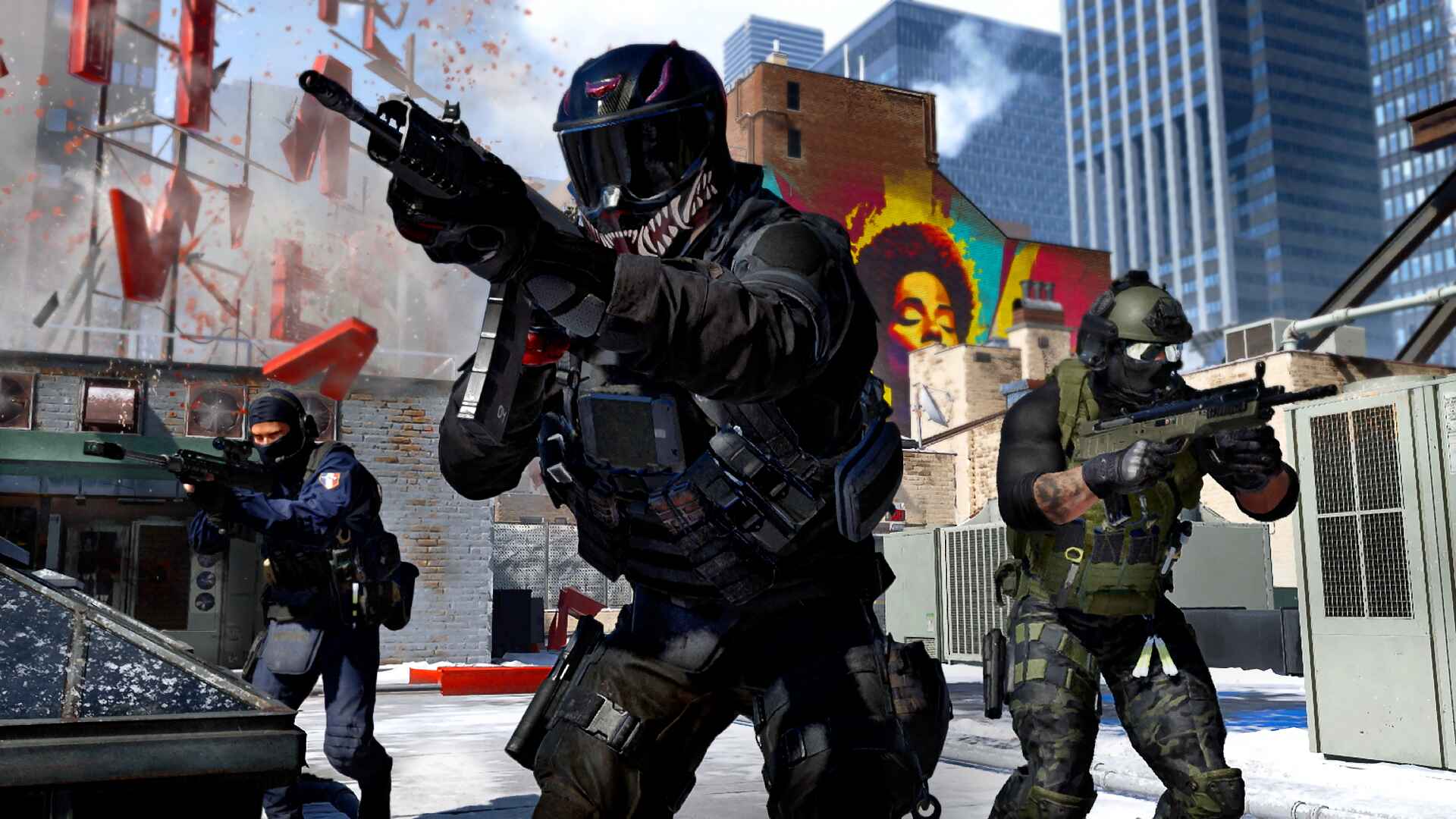
Call of Duty: Black Ops II, developed by the renowned Treyarch and published by Activision Blizzard, represents a major installment in the long-running Call of Duty franchise.
The game was officially unveiled to the public in 2012, marking a bold narrative leap into the year 2025—introducing players to futuristic warfare, advanced robotics, and a chilling new vision of global conflict.
Since its announcement, fans have been eager to know whether the title would expand onto Nintendo’s then newly released home console, the Wii U, further continuing the franchise’s long-running support for Nintendo hardware.
During a press event centered around the reveal of Black Ops II, Treyarch Studio Head Mark Lamia addressed questions regarding the Wii U version.
When pressed about whether Call of Duty: Black Ops II would find its way to Nintendo’s platform, Lamia responded, "At this moment, we are only discussing our plans for the other platforms." While declining to confirm a Wii U release directly, Lamia emphasized, "Treyarch has a strong history of developing for Nintendo systems.
It’s a tradition we value."
Treyarch’s commitment to Nintendo has been evident in previous years, with prior Call of Duty titles such as Modern Warfare: Reflex Edition and Call of Duty: Black Ops making their way onto systems like the Nintendo Wii.
This established legacy left many expecting a potential Wii U announcement in the future, especially given Nintendo’s push to attract major franchises and third-party developers to its new console during its launch cycle in 2012.
Call of Duty: Black Ops II debuted worldwide on November 13, 2012, initially shipping for PlayStation 3, Xbox 360, and Microsoft Windows.
The game received critical acclaim for its branching narrative, enhanced competitive multiplayer, and ambitious depiction of futuristic warfare technology.
At launch, Black Ops II broke entertainment records, grossing over $500 million worldwide in the first 24 hours, according to Activision Blizzard sales reports.
This unprecedented success underscored the enduring popularity and cultural impact of the Call of Duty series.
Nintendo’s relationship with major publishers like Activision has historically been pivotal for expanding the appeal of platforms such as the Wii U.
The eShop marketplace and events like Nintendo Direct have further showcased the company’s dedication to bringing diverse gaming experiences to fans.
For its part, Treyarch’s legacy as a Nintendo-supporting studio continues to be a critical talking point whenever new entries in their franchises are unveiled.
While Lamia’s comments stopped short of any explicit confirmation, they reinforced Treyarch’s established rapport with Nintendo hardware and sparked ongoing discussion within the industry.
As the Wii U continued to build its catalog, partnerships with developers like Treyarch and publishers like Activision Blizzard became essential to the platform’s competitive edge in the console marketplace.
Ultimately, Call of Duty: Black Ops II remains a landmark release in Treyarch’s portfolio and a defining moment for Activision Blizzard’s strategy in the early 2010s, illustrating the enduring relationship between major third-party franchises and Nintendo platforms.
The game was officially unveiled to the public in 2012, marking a bold narrative leap into the year 2025—introducing players to futuristic warfare, advanced robotics, and a chilling new vision of global conflict.
Since its announcement, fans have been eager to know whether the title would expand onto Nintendo’s then newly released home console, the Wii U, further continuing the franchise’s long-running support for Nintendo hardware.
During a press event centered around the reveal of Black Ops II, Treyarch Studio Head Mark Lamia addressed questions regarding the Wii U version.
When pressed about whether Call of Duty: Black Ops II would find its way to Nintendo’s platform, Lamia responded, "At this moment, we are only discussing our plans for the other platforms." While declining to confirm a Wii U release directly, Lamia emphasized, "Treyarch has a strong history of developing for Nintendo systems.
It’s a tradition we value."
Treyarch’s commitment to Nintendo has been evident in previous years, with prior Call of Duty titles such as Modern Warfare: Reflex Edition and Call of Duty: Black Ops making their way onto systems like the Nintendo Wii.
This established legacy left many expecting a potential Wii U announcement in the future, especially given Nintendo’s push to attract major franchises and third-party developers to its new console during its launch cycle in 2012.
Call of Duty: Black Ops II debuted worldwide on November 13, 2012, initially shipping for PlayStation 3, Xbox 360, and Microsoft Windows.
The game received critical acclaim for its branching narrative, enhanced competitive multiplayer, and ambitious depiction of futuristic warfare technology.
At launch, Black Ops II broke entertainment records, grossing over $500 million worldwide in the first 24 hours, according to Activision Blizzard sales reports.
This unprecedented success underscored the enduring popularity and cultural impact of the Call of Duty series.
Nintendo’s relationship with major publishers like Activision has historically been pivotal for expanding the appeal of platforms such as the Wii U.
The eShop marketplace and events like Nintendo Direct have further showcased the company’s dedication to bringing diverse gaming experiences to fans.
For its part, Treyarch’s legacy as a Nintendo-supporting studio continues to be a critical talking point whenever new entries in their franchises are unveiled.
While Lamia’s comments stopped short of any explicit confirmation, they reinforced Treyarch’s established rapport with Nintendo hardware and sparked ongoing discussion within the industry.
As the Wii U continued to build its catalog, partnerships with developers like Treyarch and publishers like Activision Blizzard became essential to the platform’s competitive edge in the console marketplace.
Ultimately, Call of Duty: Black Ops II remains a landmark release in Treyarch’s portfolio and a defining moment for Activision Blizzard’s strategy in the early 2010s, illustrating the enduring relationship between major third-party franchises and Nintendo platforms.