Tomodachi Life on Nintendo 3DS: The Quirky Simulation That Redefines Miis
When Nintendo launched Tomodachi Life for the Nintendo 3DS, it reimagined the role of Miis in a way few expected.
Revealed in a memorable Nintendo Direct presentation, Tomodachi Life swiftly captured attention thanks to its unconventional charm and interactive approach to simulation.
Released in Japan in 2013 and reaching North America and Europe in June 2014, this ambitious title has since attracted a dedicated following, earning its place among Nintendo’s most distinctive Nintendo 3DS releases.
At its core, Tomodachi Life treats the player’s Miis – those customizable avatars first introduced on the Wii – as true digital residents.
Previously, players were accustomed to seeing Miis on tennis courts in Wii Sports or on race tracks in Mario Kart Wii.
In Tomodachi Life, however, these avatars take on new roles, each animated by distinct personalities informed by a 16-trait outcome test and lifelike synthetic voices.
This innovation breathes fresh life into the Mii concept, offering perhaps the most engaging use of these avatars to date.
Players assume stewardship of a vibrant island community, initially sparsely populated but quickly bustling as they add more Mii characters.
Miis can be created from scratch, generated via photos, imported from the Mii Maker, transferred from Wii U, or shared using QR codes.
Whether players fill their island with friends, family, celebrities, or even parodies of Nintendo executives is entirely up to them.
This fosters a wacky, personalized experience often likened to a melodramatic soap opera.
True to its name—'Tomodachi' meaning 'friend' in Japanese—the game centers around building relationships.
Players cater to their Miis' daily needs with food, room decorations, and personal advice, gradually forging entertaining bonds.
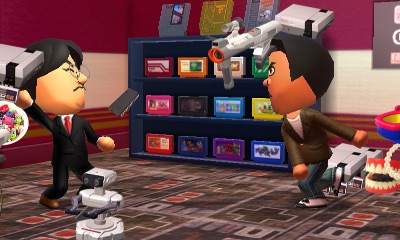
The unpredictability is constant: Miis might sneeze when you tickle their nose, engage in card games for spontaneous amusement, or be the stars of outlandish dreams at night—ranging from hermit crab transformations to ninja chases.
These moments display the quirky humor and inventive design Nintendo poured into Tomodachi Life.
Nearly every interaction rewards players with unique items, which unlock even more peculiar activities.
Miis gain experience and level up, unlocking new abilities such as singing songs, changing room styles, or adopting custom catchphrases.
The game’s progression system encourages continued engagement and experimentation, while StreetPass support and the eShop further enhance community and replay value.
Unlocking attractions across the island depends on player actions, including increasing Mii count, making use of StreetPass, and fostering relationships among residents.
New stores for food, clothing, and room interiors become available, while event spaces like the Concert Hall provide entertaining spectacles, such as customizable musical performances.
Memorable events—like a Mii wedding—add unexpected layers to the island’s narrative fabric.
Despite its abundance of unique features, Tomodachi Life is marked by a lack of traditional direction.
The appeal lies in the joy of discovery and sharing humorous moments via the Nintendo 3DS Image Share service.
While the game’s randomness can lead to waning engagement over time, the experience is defined by the delightful unpredictability that only a Nintendo simulation game can provide.
Tomodachi Life stands as a testament to Nintendo’s creativity, offering players a whimsical blend of simulation and social experimentation exclusive to Nintendo 3DS.
For those seeking a light-hearted, one-of-a-kind adventure, Tomodachi Life is a must-explore addition to the Nintendo library.
When Nintendo launched Tomodachi Life for the Nintendo 3DS, it reimagined the role of Miis in a way few expected.
Revealed in a memorable Nintendo Direct presentation, Tomodachi Life swiftly captured attention thanks to its unconventional charm and interactive approach to simulation.
Released in Japan in 2013 and reaching North America and Europe in June 2014, this ambitious title has since attracted a dedicated following, earning its place among Nintendo’s most distinctive Nintendo 3DS releases.
At its core, Tomodachi Life treats the player’s Miis – those customizable avatars first introduced on the Wii – as true digital residents.
Previously, players were accustomed to seeing Miis on tennis courts in Wii Sports or on race tracks in Mario Kart Wii.
In Tomodachi Life, however, these avatars take on new roles, each animated by distinct personalities informed by a 16-trait outcome test and lifelike synthetic voices.
This innovation breathes fresh life into the Mii concept, offering perhaps the most engaging use of these avatars to date.
Players assume stewardship of a vibrant island community, initially sparsely populated but quickly bustling as they add more Mii characters.
Miis can be created from scratch, generated via photos, imported from the Mii Maker, transferred from Wii U, or shared using QR codes.
Whether players fill their island with friends, family, celebrities, or even parodies of Nintendo executives is entirely up to them.
This fosters a wacky, personalized experience often likened to a melodramatic soap opera.
True to its name—'Tomodachi' meaning 'friend' in Japanese—the game centers around building relationships.
Players cater to their Miis' daily needs with food, room decorations, and personal advice, gradually forging entertaining bonds.
The unpredictability is constant: Miis might sneeze when you tickle their nose, engage in card games for spontaneous amusement, or be the stars of outlandish dreams at night—ranging from hermit crab transformations to ninja chases.
These moments display the quirky humor and inventive design Nintendo poured into Tomodachi Life.
Nearly every interaction rewards players with unique items, which unlock even more peculiar activities.
Miis gain experience and level up, unlocking new abilities such as singing songs, changing room styles, or adopting custom catchphrases.
The game’s progression system encourages continued engagement and experimentation, while StreetPass support and the eShop further enhance community and replay value.
Unlocking attractions across the island depends on player actions, including increasing Mii count, making use of StreetPass, and fostering relationships among residents.
New stores for food, clothing, and room interiors become available, while event spaces like the Concert Hall provide entertaining spectacles, such as customizable musical performances.
Memorable events—like a Mii wedding—add unexpected layers to the island’s narrative fabric.
Despite its abundance of unique features, Tomodachi Life is marked by a lack of traditional direction.
The appeal lies in the joy of discovery and sharing humorous moments via the Nintendo 3DS Image Share service.
While the game’s randomness can lead to waning engagement over time, the experience is defined by the delightful unpredictability that only a Nintendo simulation game can provide.
Tomodachi Life stands as a testament to Nintendo’s creativity, offering players a whimsical blend of simulation and social experimentation exclusive to Nintendo 3DS.
For those seeking a light-hearted, one-of-a-kind adventure, Tomodachi Life is a must-explore addition to the Nintendo library.