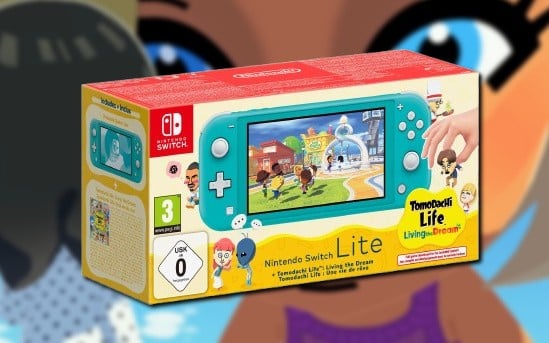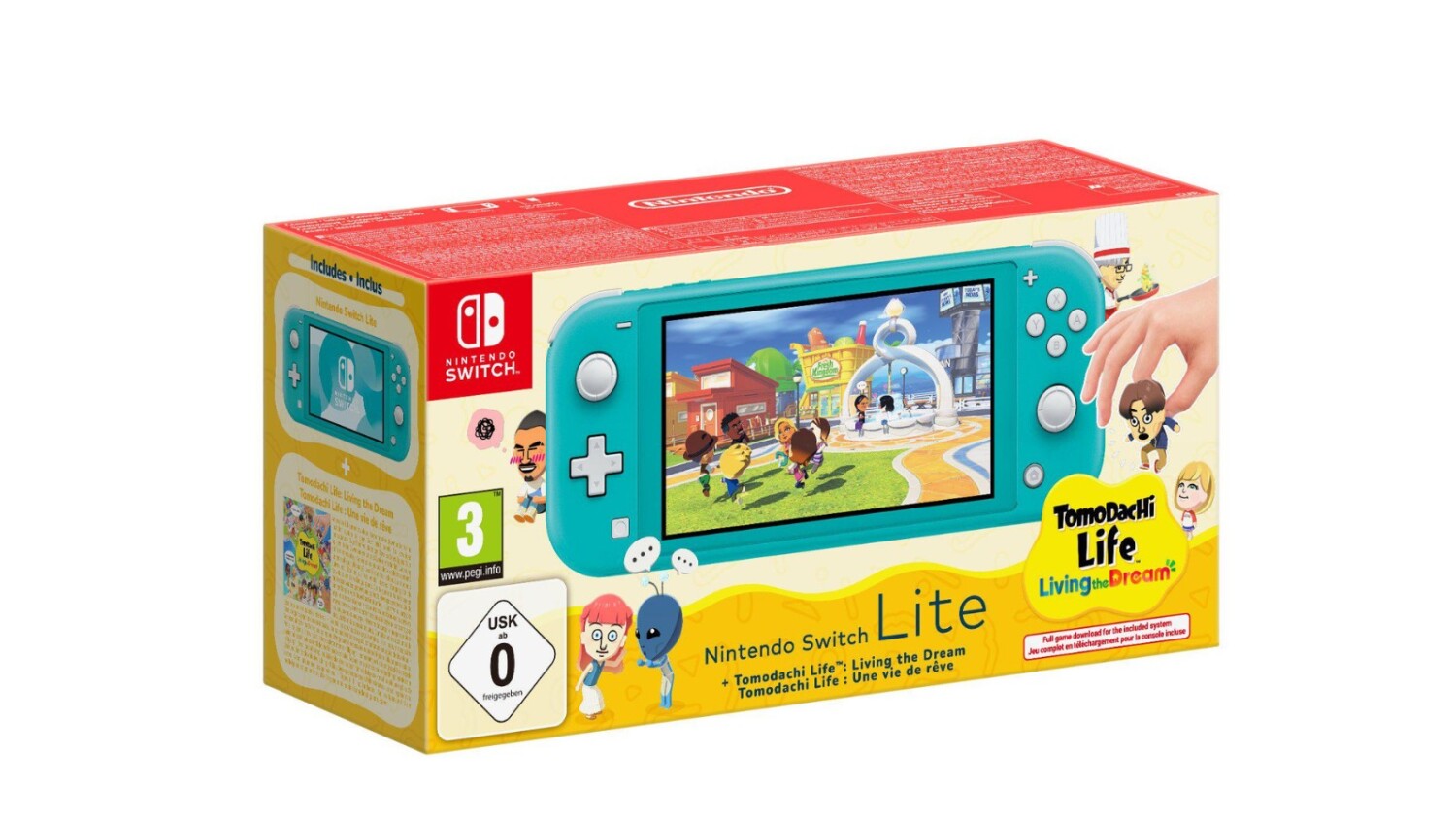

Tomodachi Life: Living the Dream landed on Nintendo Switch on April 16, 2026, developed and published by Nintendo.
The title is a direct successor to the cult-followed Tomodachi Life on Nintendo 3DS and traces its lineage back to the Japan-exclusive Tomodachi Collection on the Nintendo DS.
The game returns to the life-simulation formula that centers on Miis living together on a shared island, with updated visuals, expanded character options, and the same quirky social scripting that defined earlier entries.
Core loop and mechanics
Tomodachi Life: Living the Dream keeps the franchise’s hands-off, slice-of-life design.
New residents provide “Warm Fuzzies” when you care for them—feeding, gifting and nurturing increases their happiness and fills a jar used to make wishes at the island’s central fountain.
Wish rewards scale in variety and spectacle as players progress, ranging from simple toys to larger experiential rewards.
Mii creation and inclusivity
Nintendo has modernized the Mii Creator for the Switch release.
The toolset is far more detailed than the original Wii-era Mii editor, enabling precise facial and stylistic customization.
The game also adds expanded gender options, including a non-binary choice, and supports same-sex relationships for islanders—changes that address inclusivity gaps from earlier installments.
Miis can be created from scratch, imported from the console, or added via amiibo.
Presentation and audio
Graphically the game adheres to a simple, clean aesthetic similar to the 3DS predecessor but benefits from HD rendering on Nintendo Switch.
Colors and UI elements emphasize a bright, summery tone.
Sound design and musical cues play a significant role in amplifying comedic and dramatic moments in Mii interactions.
Connectivity and sharing limitations
Reviewers and players have noted a significant constraint: Tomodachi Life: Living the Dream restricts Mii sharing to local transfers only on Nintendo Switch.
In journalistic terms, the game’s online sharing and interactivity are limited—screenshots and video sharing are not supported through the title itself, and there is no built-in online Mii transfer.
This local-only approach affects how players can invite or exchange Miis with distant friends.
Verdict
As a single-player life-sim, Tomodachi Life: Living the Dream captures the franchise’s whimsical spirit with robust customization and sustained comedic payoff.
Its limited connectivity options are the clearest shortcoming for players seeking broader social sharing, but the core island experience and updated Mii tools deliver a familiar and polished Nintendo original.
The title is a direct successor to the cult-followed Tomodachi Life on Nintendo 3DS and traces its lineage back to the Japan-exclusive Tomodachi Collection on the Nintendo DS.
The game returns to the life-simulation formula that centers on Miis living together on a shared island, with updated visuals, expanded character options, and the same quirky social scripting that defined earlier entries.
Core loop and mechanics
Tomodachi Life: Living the Dream keeps the franchise’s hands-off, slice-of-life design.
New residents provide “Warm Fuzzies” when you care for them—feeding, gifting and nurturing increases their happiness and fills a jar used to make wishes at the island’s central fountain.
Wish rewards scale in variety and spectacle as players progress, ranging from simple toys to larger experiential rewards.
Mii creation and inclusivity
Nintendo has modernized the Mii Creator for the Switch release.
The toolset is far more detailed than the original Wii-era Mii editor, enabling precise facial and stylistic customization.
The game also adds expanded gender options, including a non-binary choice, and supports same-sex relationships for islanders—changes that address inclusivity gaps from earlier installments.
Miis can be created from scratch, imported from the console, or added via amiibo.
Presentation and audio
Graphically the game adheres to a simple, clean aesthetic similar to the 3DS predecessor but benefits from HD rendering on Nintendo Switch.
Colors and UI elements emphasize a bright, summery tone.
Sound design and musical cues play a significant role in amplifying comedic and dramatic moments in Mii interactions.
Connectivity and sharing limitations
Reviewers and players have noted a significant constraint: Tomodachi Life: Living the Dream restricts Mii sharing to local transfers only on Nintendo Switch.
In journalistic terms, the game’s online sharing and interactivity are limited—screenshots and video sharing are not supported through the title itself, and there is no built-in online Mii transfer.
This local-only approach affects how players can invite or exchange Miis with distant friends.
Verdict
As a single-player life-sim, Tomodachi Life: Living the Dream captures the franchise’s whimsical spirit with robust customization and sustained comedic payoff.
Its limited connectivity options are the clearest shortcoming for players seeking broader social sharing, but the core island experience and updated Mii tools deliver a familiar and polished Nintendo original.