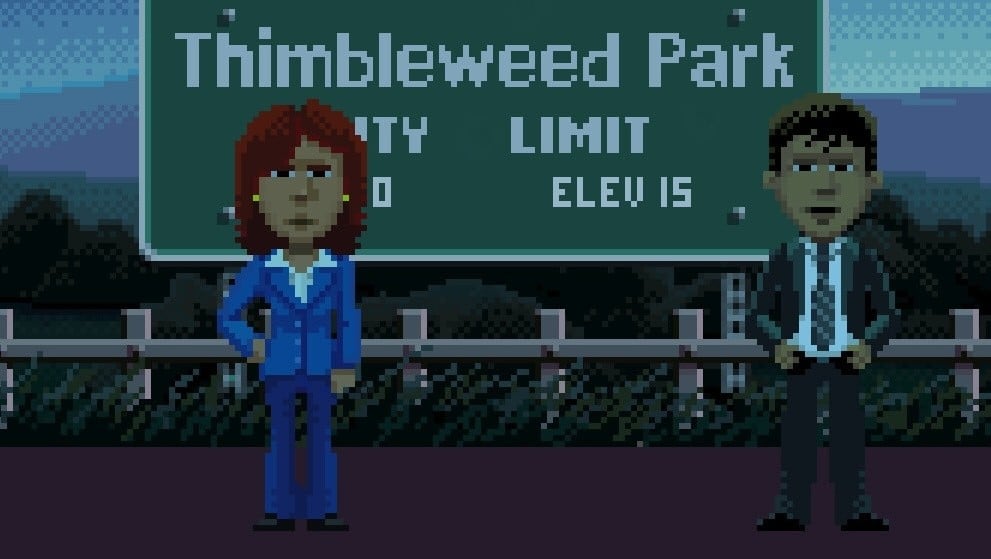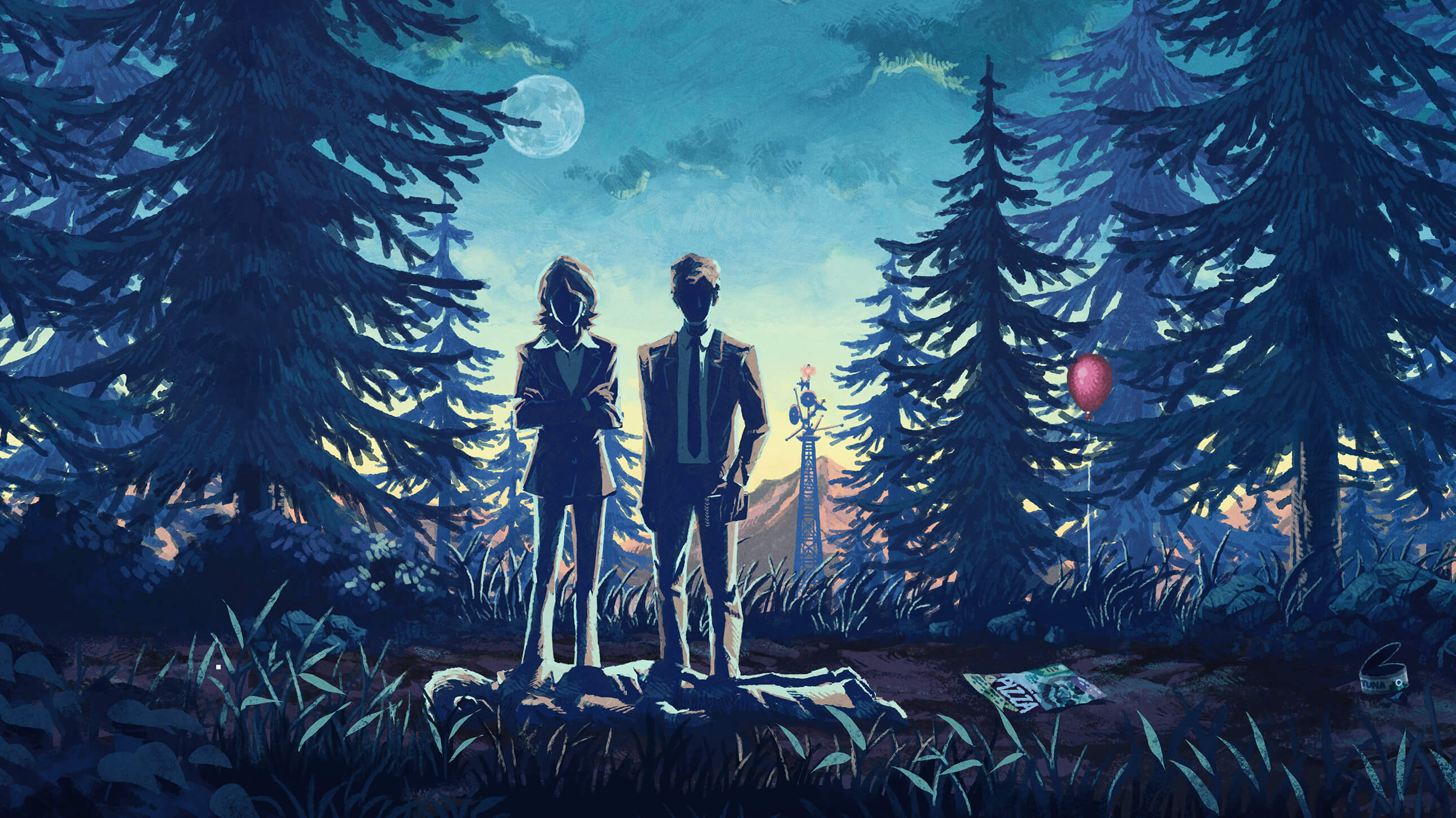
Thimbleweed Park 2 funding confirmed by Ron Gilbert; sequel targets early 2028
Thimbleweed Park 2, the follow-up to the 2017 cult classic adventure, is being financed by a single anonymous private backer, series creator Ron Gilbert confirmed in an interview with Bloomberg reporter Jason Schreier.
The sequel is currently targeting an early 2028 release window and remains in development under Gilbert's team, with details on platforms and release schedules still limited.
Background and funding path
The original Thimbleweed Park launched in 2017 after a successful Kickstarter that raised more than $620,000.
For the sequel, Gilbert said he chose not to return to crowdfunding and declined traditional publisher offers.
According to the Bloomberg piece, Gilbert was introduced to an individual outside the games industry — a longtime fan of adventure games and Thimbleweed Park specifically — who agreed to underwrite the project privately.
Gilbert told Bloomberg he proposed a development budget intended to cover roughly two years of work and to exceed the approximately $1 million that had been required to complete the original game, accounting for inflation and fair compensation for the team.
The anonymous investor accepted that proposal and agreed to funding and revenue terms.
Why Gilbert avoided publishers
Rewriting Gilbert’s explanation in journalistic terms: he said he did not object to publishers recouping their investment, but he objected to deals where, after recoupment, publishers still claimed the larger share of ongoing revenues or imposed conditions that left creators with nothing unless the title became a major hit.
He described those arrangements as unfair and said the private backer’s agreement offered a quicker return to the investor followed by a reasonable revenue split, which Gilbert regarded as a fairer outcome for the development team.
What we know and what remains unconfirmed
Bloomberg’s report notes the investor requested anonymity and is not involved in game development.
The sequel’s platform confirmations — including Nintendo Switch or the rumored Switch 2 — have not been announced.
No official statements from Terrible Toybox beyond Gilbert’s interview were released at the time of reporting.
This funding route highlights an alternative model for indie developers: private patronage that preserves creative control while providing a clear budget and revenue sharing, a notable point of interest for studios and publishers watching the indie adventure space.
Thimbleweed Park 2, the follow-up to the 2017 cult classic adventure, is being financed by a single anonymous private backer, series creator Ron Gilbert confirmed in an interview with Bloomberg reporter Jason Schreier.
The sequel is currently targeting an early 2028 release window and remains in development under Gilbert's team, with details on platforms and release schedules still limited.
Background and funding path
The original Thimbleweed Park launched in 2017 after a successful Kickstarter that raised more than $620,000.
For the sequel, Gilbert said he chose not to return to crowdfunding and declined traditional publisher offers.
According to the Bloomberg piece, Gilbert was introduced to an individual outside the games industry — a longtime fan of adventure games and Thimbleweed Park specifically — who agreed to underwrite the project privately.
Gilbert told Bloomberg he proposed a development budget intended to cover roughly two years of work and to exceed the approximately $1 million that had been required to complete the original game, accounting for inflation and fair compensation for the team.
The anonymous investor accepted that proposal and agreed to funding and revenue terms.
Why Gilbert avoided publishers
Rewriting Gilbert’s explanation in journalistic terms: he said he did not object to publishers recouping their investment, but he objected to deals where, after recoupment, publishers still claimed the larger share of ongoing revenues or imposed conditions that left creators with nothing unless the title became a major hit.
He described those arrangements as unfair and said the private backer’s agreement offered a quicker return to the investor followed by a reasonable revenue split, which Gilbert regarded as a fairer outcome for the development team.
What we know and what remains unconfirmed
Bloomberg’s report notes the investor requested anonymity and is not involved in game development.
The sequel’s platform confirmations — including Nintendo Switch or the rumored Switch 2 — have not been announced.
No official statements from Terrible Toybox beyond Gilbert’s interview were released at the time of reporting.
This funding route highlights an alternative model for indie developers: private patronage that preserves creative control while providing a clear budget and revenue sharing, a notable point of interest for studios and publishers watching the indie adventure space.