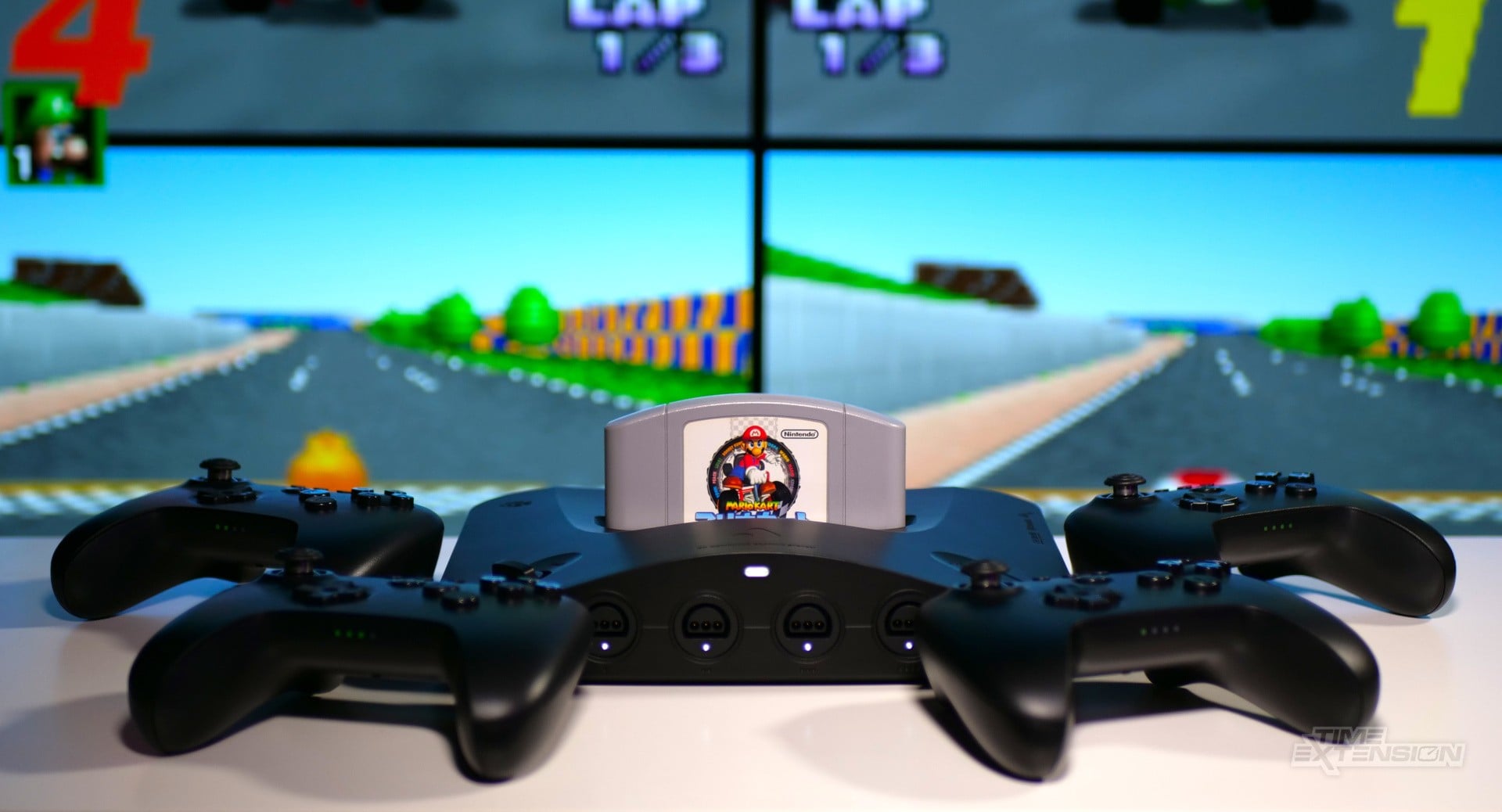
The Analogue 3D has rapidly become one of the most talked-about pieces of hardware among Nintendo 64 enthusiasts and retro gaming aficionados.
Developed by Analogue—a company renowned for its high-fidelity FPGA consoles—the Analogue 3D allows players to experience original N64 cartridges on modern televisions with enhanced picture clarity and minimal input lag.
The device has been celebrated for offering a near-authentic Nintendo 64 experience without the hassles of aging original hardware or complicated HDMI mods.
However, recent discussions within the gaming community have raised questions about just how accurate the Analogue 3D is when compared to the original Nintendo 64 hardware.
Analogue claims its FPGA-based solution achieves 100% compatibility and accuracy—a bold statement given the complexities of replicating classic console internals.
In a recent video, respected N64 developer and hacker Kaze Emanuar offered a critical examination of these claims.
According to Emanuar, while the Analogue 3D performs impressively and titles remain highly playable, the console’s cycle accuracy does not perfectly mirror that of original Nintendo 64 hardware.
This means that, for those conducting detailed side-by-side comparisons, subtle discrepancies may be detected in how certain games run.
Emanuar explained that, although these cycle inaccuracies are minor and virtually unnoticeable for most users, they nonetheless contrast with Analogue’s confident marketing.
He emphasized that most users are unlikely to perceive any difference in gameplay or visuals unless they are intimately familiar with the nuances of original hardware.
Our review team also pointed out that while FPGA technology has significant advantages over traditional software emulation—delivering far greater fidelity to the original hardware—these chips are still programmed devices.
This means there is always the possibility for minor bugs or incompatibilities that could affect an otherwise perfect replication.
These rare quirks do not detract from the overall quality or enjoyment of the system, but they remain noteworthy for purists seeking a totally authentic Nintendo 64 experience.
Kaze Emanuar was careful to reiterate his appreciation for the Analogue 3D, describing it as an excellent choice for playing N64 games on modern TVs.
He also revealed that he is working directly with the engineer responsible for the Analogue 3D’s FPGA core.
According to Emanuar's discussions, improvements are already in development to address some of the operational differences and further enhance the platform’s accuracy.
Like many contemporary retro gaming solutions—including those available on the eShop or showcased through Nintendo Direct events—the Analogue 3D is expected to receive ongoing updates.
These advancements will help it inch even closer to being the definitive way to experience classic Nintendo 64 titles.
For now, the Analogue 3D stands as a leading choice for both casual and dedicated retro gamers seeking the best in Nintendo 64 compatibility and performance.
Developed by Analogue—a company renowned for its high-fidelity FPGA consoles—the Analogue 3D allows players to experience original N64 cartridges on modern televisions with enhanced picture clarity and minimal input lag.
The device has been celebrated for offering a near-authentic Nintendo 64 experience without the hassles of aging original hardware or complicated HDMI mods.
However, recent discussions within the gaming community have raised questions about just how accurate the Analogue 3D is when compared to the original Nintendo 64 hardware.
Analogue claims its FPGA-based solution achieves 100% compatibility and accuracy—a bold statement given the complexities of replicating classic console internals.
In a recent video, respected N64 developer and hacker Kaze Emanuar offered a critical examination of these claims.
According to Emanuar, while the Analogue 3D performs impressively and titles remain highly playable, the console’s cycle accuracy does not perfectly mirror that of original Nintendo 64 hardware.
This means that, for those conducting detailed side-by-side comparisons, subtle discrepancies may be detected in how certain games run.
Emanuar explained that, although these cycle inaccuracies are minor and virtually unnoticeable for most users, they nonetheless contrast with Analogue’s confident marketing.
He emphasized that most users are unlikely to perceive any difference in gameplay or visuals unless they are intimately familiar with the nuances of original hardware.
Our review team also pointed out that while FPGA technology has significant advantages over traditional software emulation—delivering far greater fidelity to the original hardware—these chips are still programmed devices.
This means there is always the possibility for minor bugs or incompatibilities that could affect an otherwise perfect replication.
These rare quirks do not detract from the overall quality or enjoyment of the system, but they remain noteworthy for purists seeking a totally authentic Nintendo 64 experience.
Kaze Emanuar was careful to reiterate his appreciation for the Analogue 3D, describing it as an excellent choice for playing N64 games on modern TVs.
He also revealed that he is working directly with the engineer responsible for the Analogue 3D’s FPGA core.
According to Emanuar's discussions, improvements are already in development to address some of the operational differences and further enhance the platform’s accuracy.
Like many contemporary retro gaming solutions—including those available on the eShop or showcased through Nintendo Direct events—the Analogue 3D is expected to receive ongoing updates.
These advancements will help it inch even closer to being the definitive way to experience classic Nintendo 64 titles.
For now, the Analogue 3D stands as a leading choice for both casual and dedicated retro gamers seeking the best in Nintendo 64 compatibility and performance.