
Shigeru Miyamoto, the creator of Mario and a long-time Nintendo design luminary, says the Japanese edition of The Super Mario Galaxy Movie was purposefully rebuilt rather than produced as a straightforward localization.
In a recent interview with Crank In (translation published by Automaton Media), Miyamoto described a deliberate change in approach from the studio’s handling of the 2023 predecessor, The Super Mario Bros.
Movie.
Miyamoto said the team refused to treat the Japanese track as merely a translation of the English version; instead, they aimed to craft dialogue that stands on its own in Japanese.
He credited Makoto Ueda, director of the theater troupe Europe Kikaku, with leading the Japanese script rewrite and noted their long acquaintance and shared theatrical sensibilities.
According to Miyamoto, the goal was to make Mario and his teammates speak with the kind of natural rhythms found in stage performances.
He explained that conventional localization can disrupt conversational timing and comedic beats, so the production prioritized dialogue that would feel organic to Japanese audiences.
The localization approach also shifted during recording.
Whereas the first Mario film’s Japanese cast was largely restricted from deviating from the source material, the team behind Galaxy instructed performers to use the on-screen visuals as a foundation and allowed improvisation.
Miyamoto said the team recorded with that improvisational freedom, then refined the performances afterward, which produced a result they felt was carefully groomed rather than thrown together.
Miyamoto has also publicly reacted to the film’s mixed critical reception, saying he was surprised by some negative responses from within the film community after the project team — drawn from games and film — sought to energize the medium.
The Super Mario Galaxy Movie is currently playing in cinemas worldwide, and some outlets report the film’s digital release is expected to arrive this month.
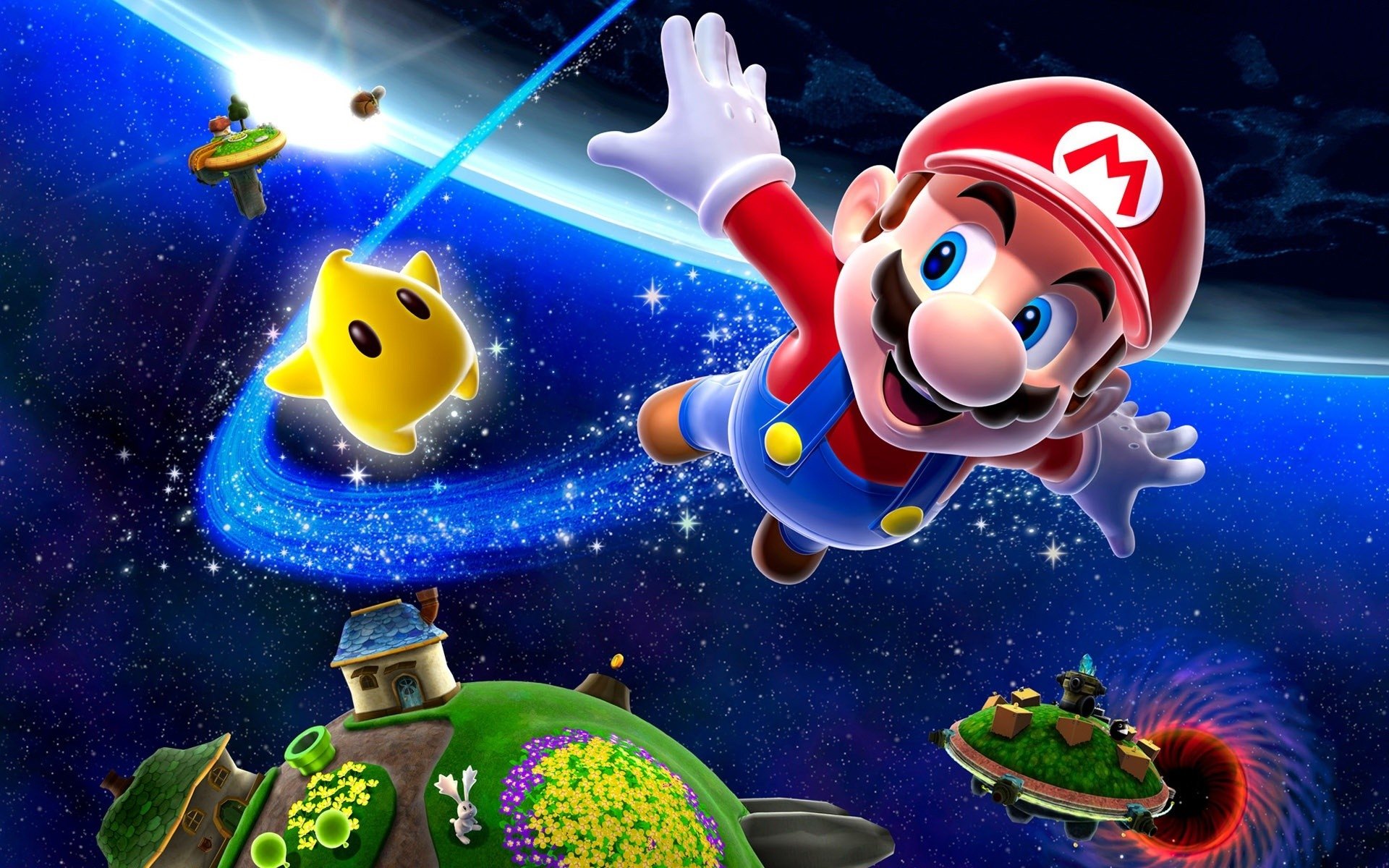
The Super Mario Galaxy franchise itself originates on Nintendo’s Wii platform, with Super Mario Galaxy debuting in 2007 and Super Mario Galaxy 2 following in 2010.
The series’ music and legacy continue to surface across Nintendo platforms and promotions, underscoring how Nintendo often aligns its game IP with broader media efforts.
The production choice to rebuild the Japanese version represents a notable example of cross-cultural adaptation in a major video game–based film.
In a recent interview with Crank In (translation published by Automaton Media), Miyamoto described a deliberate change in approach from the studio’s handling of the 2023 predecessor, The Super Mario Bros.
Movie.
Miyamoto said the team refused to treat the Japanese track as merely a translation of the English version; instead, they aimed to craft dialogue that stands on its own in Japanese.
He credited Makoto Ueda, director of the theater troupe Europe Kikaku, with leading the Japanese script rewrite and noted their long acquaintance and shared theatrical sensibilities.
According to Miyamoto, the goal was to make Mario and his teammates speak with the kind of natural rhythms found in stage performances.
He explained that conventional localization can disrupt conversational timing and comedic beats, so the production prioritized dialogue that would feel organic to Japanese audiences.
The localization approach also shifted during recording.
Whereas the first Mario film’s Japanese cast was largely restricted from deviating from the source material, the team behind Galaxy instructed performers to use the on-screen visuals as a foundation and allowed improvisation.
Miyamoto said the team recorded with that improvisational freedom, then refined the performances afterward, which produced a result they felt was carefully groomed rather than thrown together.
Miyamoto has also publicly reacted to the film’s mixed critical reception, saying he was surprised by some negative responses from within the film community after the project team — drawn from games and film — sought to energize the medium.
The Super Mario Galaxy Movie is currently playing in cinemas worldwide, and some outlets report the film’s digital release is expected to arrive this month.
The Super Mario Galaxy franchise itself originates on Nintendo’s Wii platform, with Super Mario Galaxy debuting in 2007 and Super Mario Galaxy 2 following in 2010.
The series’ music and legacy continue to surface across Nintendo platforms and promotions, underscoring how Nintendo often aligns its game IP with broader media efforts.
The production choice to rebuild the Japanese version represents a notable example of cross-cultural adaptation in a major video game–based film.