The Super Mario Galaxy Movie’s musical team made a late-stage course correction to ensure the franchise’s most recognisable melody featured prominently.
According to score arranger Kenny Wood, an early pass of the film’s score revealed the Gusty Garden theme — one of the most famous pieces from Super Mario Galaxy — was barely present, prompting an intentional effort to reintegrate the cue.
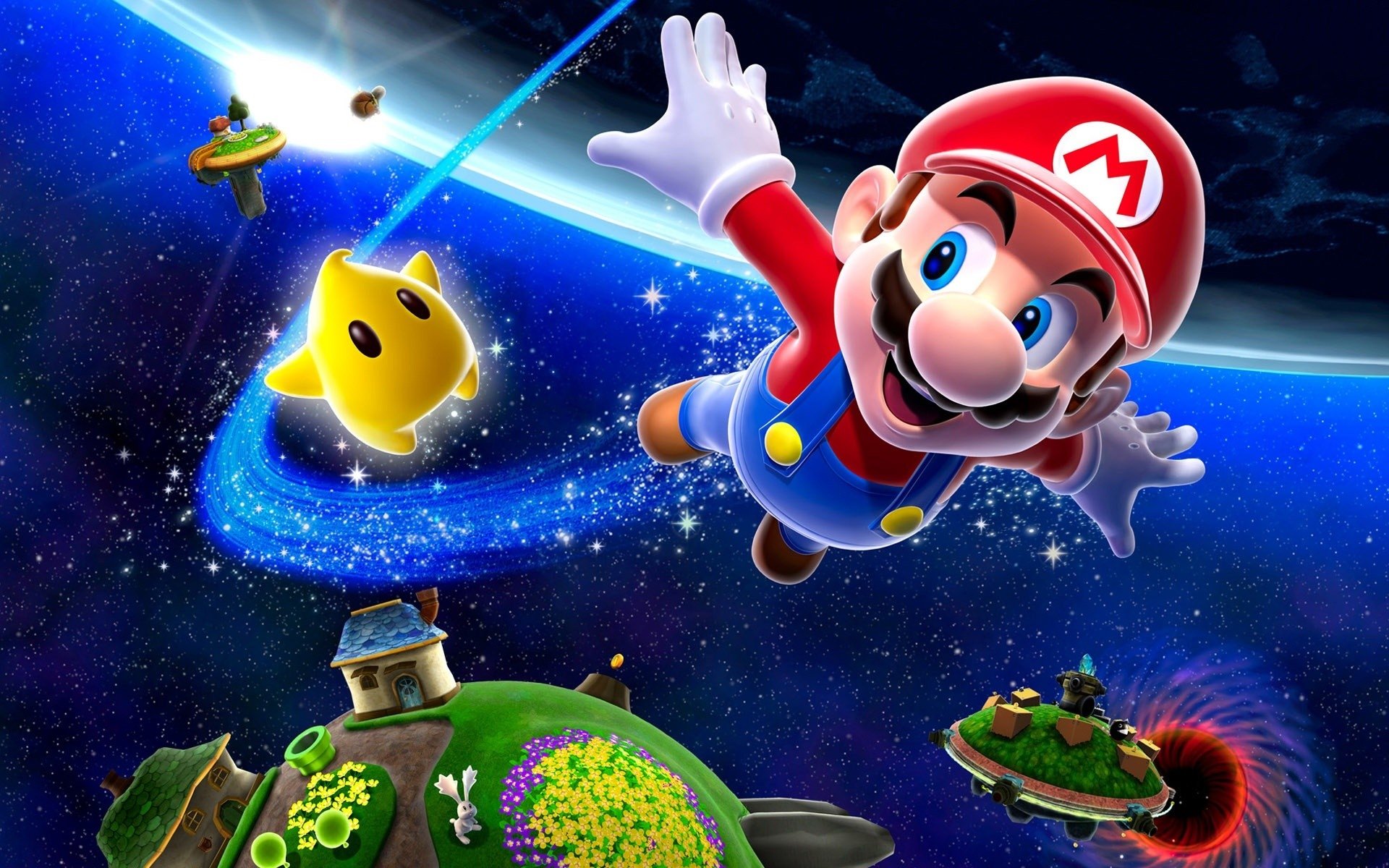
Super Mario Galaxy, released for Nintendo’s Wii in 2007 and developed by Nintendo EAD Tokyo, established a memorable orchestral sound under lead composer Mahito Yokota with contributions from veteran composer Koji Kondo.
The game sold millions of copies worldwide and received broad critical acclaim, with Gusty Garden Galaxy often cited among its standout tracks.
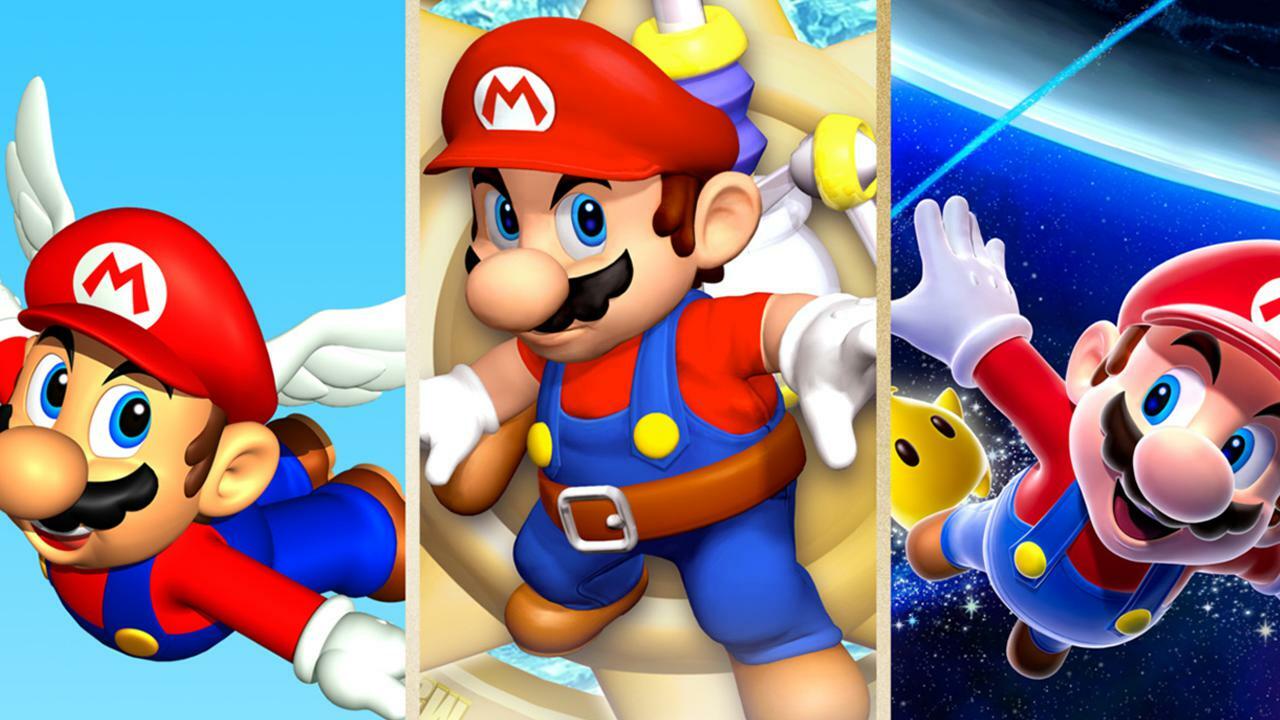
Super Mario Galaxy was later included in Super Mario 3D All-Stars for Nintendo Switch in 2020, bringing the original score to a new audience.
Wood described the discovery as a “stunning realization” after sequencing the film’s cues and watching them in order.
He told the production team that the Gusty Garden theme needed to be more present in the soundtrack.
The production responded, but in the following pass the theme appeared too frequently, requiring another balance pass to ensure it fit the film’s scenes.
Wood also recounted a specific example of how the team experimented with placement of the theme.
The production produced a Gusty Garden–style disco arrangement for an early birthday party scene, but the sequence ultimately wasn’t used because it pushed the theme’s presence beyond what worked dramatically.
Wood said the team made selective decisions to feature Gusty Garden in key moments, preserving the theme’s impact without overwhelming the film.
Those adjustments reflect the broader challenge of adapting a beloved video game score for a feature-length narrative: preserving fan-favourite motifs while serving the scene-by-scene needs of a film.
Industry observers and fans continue to watch how game soundtracks are adapted for cinema, and the handling of Gusty Garden in The Super Mario Galaxy Movie offers a clear example of iterative score editing.
For readers interested in the original source material, Super Mario Galaxy remains a high-water mark for Nintendo on the Wii, and its music continues to influence how the company’s soundtracks are regarded and adapted in other media.