The Sega Saturn’s legacy in gaming history is as complex as it is fascinating.
Released in 1994 in Japan and 1995 in North America, the Saturn represented Sega’s bold entry into the 32-bit console era, aiming to compete directly with Sony’s PlayStation (PS1) and Nintendo’s Nintendo 64.
Despite boasting a powerful architecture and delivering genre-defining classics, the Saturn's global impact never matched its rivals.
Now, fresh insights from Sega veteran Yosuke Okunari illuminate why the Saturn struggled to capture the market, with particular focus on Sega's development priorities leading up to its launch.
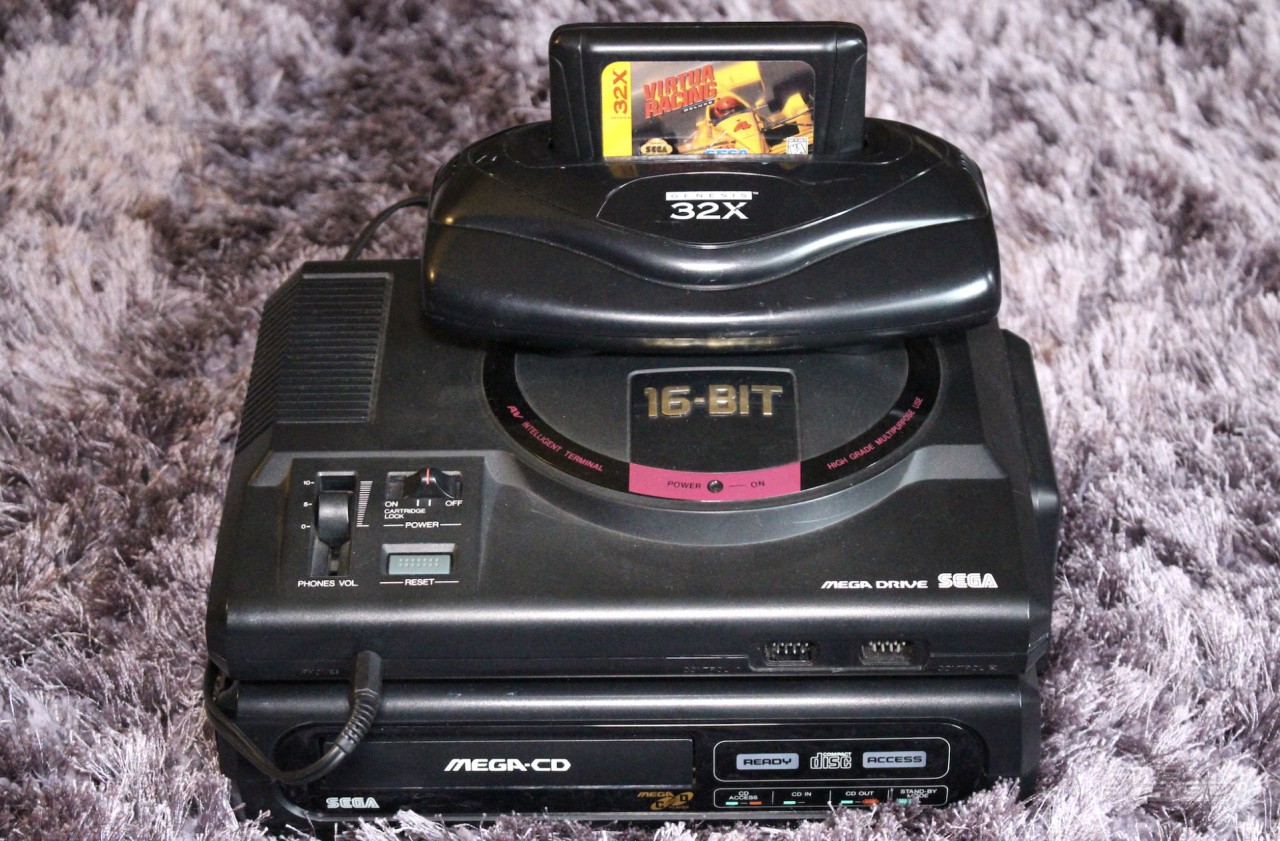
Okunari, regarded for his pivotal role in preserving and celebrating Sega's rich heritage, shares his observations in his book, "Sega Hard Senki." According to Okunari, a significant obstacle in the Saturn’s early success was Sega’s involvement with the 32X—a hardware add-on for the Genesis (Mega Drive) designed to prolong the life of Sega's aging 16-bit platform in North America.
Hopes were high for the 32X to maintain Sega’s foothold, but commercial uptake fell short, prompting Sega to phase out the device soon after launch.
"Once the failure of the 32X became clear, Sega of America discontinued it and accelerated the North American release of the Sega Saturn," Okunari notes.
He explains that this strategy shift came at a cost.
"Much of Sega’s game development resources and hardware inventory had been directed toward the 32X, particularly during the critical 1994 holiday season.
The 32X even used the same processor as the Saturn, further straining supply chains."
The result, Okunari argues, was a divided focus that hampered both the Saturn and the Genesis.
"Sega lacked the capacity to fully dedicate itself to making the Saturn a winner, and, at the same time, couldn't sufficiently protect the Genesis’s position in North America.
Virtua Fighter had the potential to drive Saturn's success in Japan, but hardware shortages often left shelves empty in its first year," he reflects.
This mismanagement left the Saturn unable to establish a strong lead over the PlayStation, while the Genesis stumbled against the enduring rivalry of the Super Nintendo Entertainment System (SNES).
Ultimately, the Sega Saturn sold 9.26 million units globally—a figure dwarfed by the PlayStation’s 102.49 million lifetime sales.
Nevertheless, the Saturn retains a cherished place in video game history, boasting a catalog filled with critically acclaimed titles.
Okunari's account underlines that Sega’s commitment to multiple hardware projects spread the company too thin, resulting in missed opportunities and making it increasingly difficult for Sega to reclaim dominance in Western markets.
The story of the Sega Saturn, chronicled by industry veterans like Yosuke Okunari, stands as a significant chapter in the broader narrative of console wars and hardware innovation.
While Sega may not have prevailed in this era, the Saturn's enduring legacy and influence on modern gaming remain undeniable.
Released in 1994 in Japan and 1995 in North America, the Saturn represented Sega’s bold entry into the 32-bit console era, aiming to compete directly with Sony’s PlayStation (PS1) and Nintendo’s Nintendo 64.
Despite boasting a powerful architecture and delivering genre-defining classics, the Saturn's global impact never matched its rivals.
Now, fresh insights from Sega veteran Yosuke Okunari illuminate why the Saturn struggled to capture the market, with particular focus on Sega's development priorities leading up to its launch.
Okunari, regarded for his pivotal role in preserving and celebrating Sega's rich heritage, shares his observations in his book, "Sega Hard Senki." According to Okunari, a significant obstacle in the Saturn’s early success was Sega’s involvement with the 32X—a hardware add-on for the Genesis (Mega Drive) designed to prolong the life of Sega's aging 16-bit platform in North America.
Hopes were high for the 32X to maintain Sega’s foothold, but commercial uptake fell short, prompting Sega to phase out the device soon after launch.
"Once the failure of the 32X became clear, Sega of America discontinued it and accelerated the North American release of the Sega Saturn," Okunari notes.
He explains that this strategy shift came at a cost.
"Much of Sega’s game development resources and hardware inventory had been directed toward the 32X, particularly during the critical 1994 holiday season.
The 32X even used the same processor as the Saturn, further straining supply chains."
The result, Okunari argues, was a divided focus that hampered both the Saturn and the Genesis.
"Sega lacked the capacity to fully dedicate itself to making the Saturn a winner, and, at the same time, couldn't sufficiently protect the Genesis’s position in North America.
Virtua Fighter had the potential to drive Saturn's success in Japan, but hardware shortages often left shelves empty in its first year," he reflects.
This mismanagement left the Saturn unable to establish a strong lead over the PlayStation, while the Genesis stumbled against the enduring rivalry of the Super Nintendo Entertainment System (SNES).
Ultimately, the Sega Saturn sold 9.26 million units globally—a figure dwarfed by the PlayStation’s 102.49 million lifetime sales.
Nevertheless, the Saturn retains a cherished place in video game history, boasting a catalog filled with critically acclaimed titles.
Okunari's account underlines that Sega’s commitment to multiple hardware projects spread the company too thin, resulting in missed opportunities and making it increasingly difficult for Sega to reclaim dominance in Western markets.
The story of the Sega Saturn, chronicled by industry veterans like Yosuke Okunari, stands as a significant chapter in the broader narrative of console wars and hardware innovation.
While Sega may not have prevailed in this era, the Saturn's enduring legacy and influence on modern gaming remain undeniable.