The global surge in artificial intelligence development is having tangible ripple effects throughout the tech industry, particularly in the realm of handheld gaming devices.
Retroid, a notable manufacturer of portable gaming hardware, has become one of the most recent companies to be impacted by the ongoing worldwide memory chip shortage—a shortage exacerbated by the ever-growing demand fueled by AI technologies.
Earlier this month, Retroid announced a price increase for its popular Retroid Pocket 6 and the discontinuation of its 12GB variant, citing difficulty in sourcing sufficient high-capacity memory for production.
Now, fresh challenges have emerged for the brand.
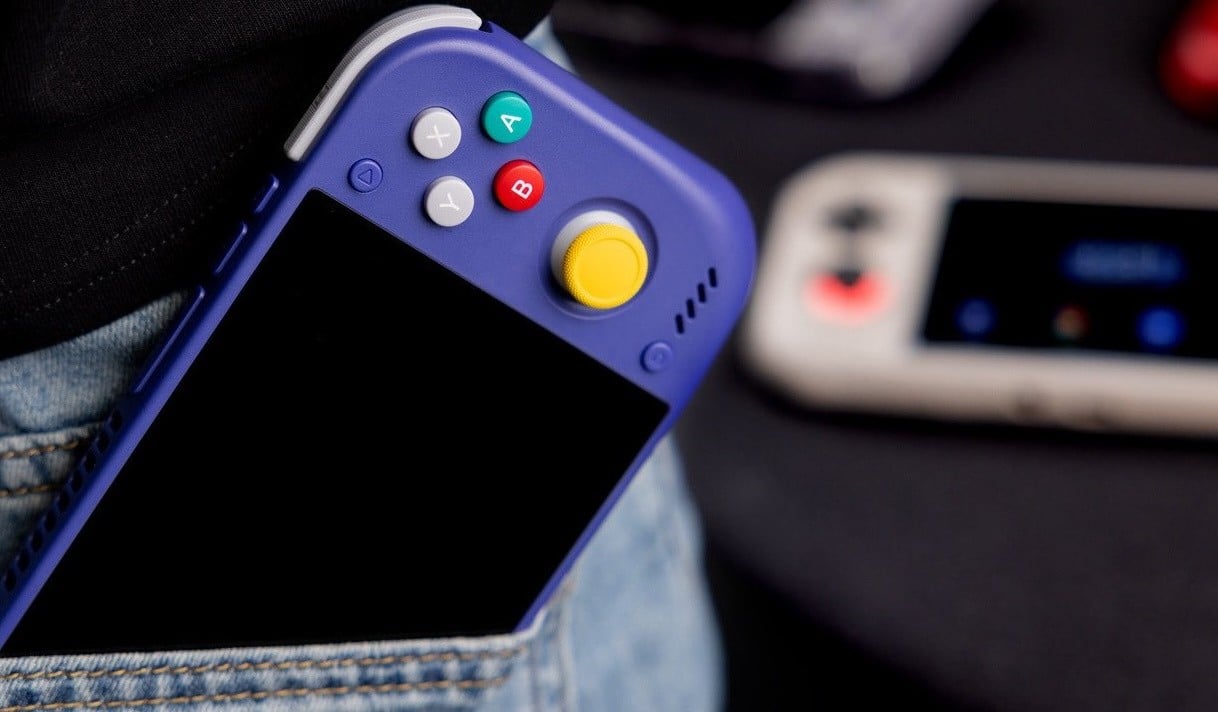
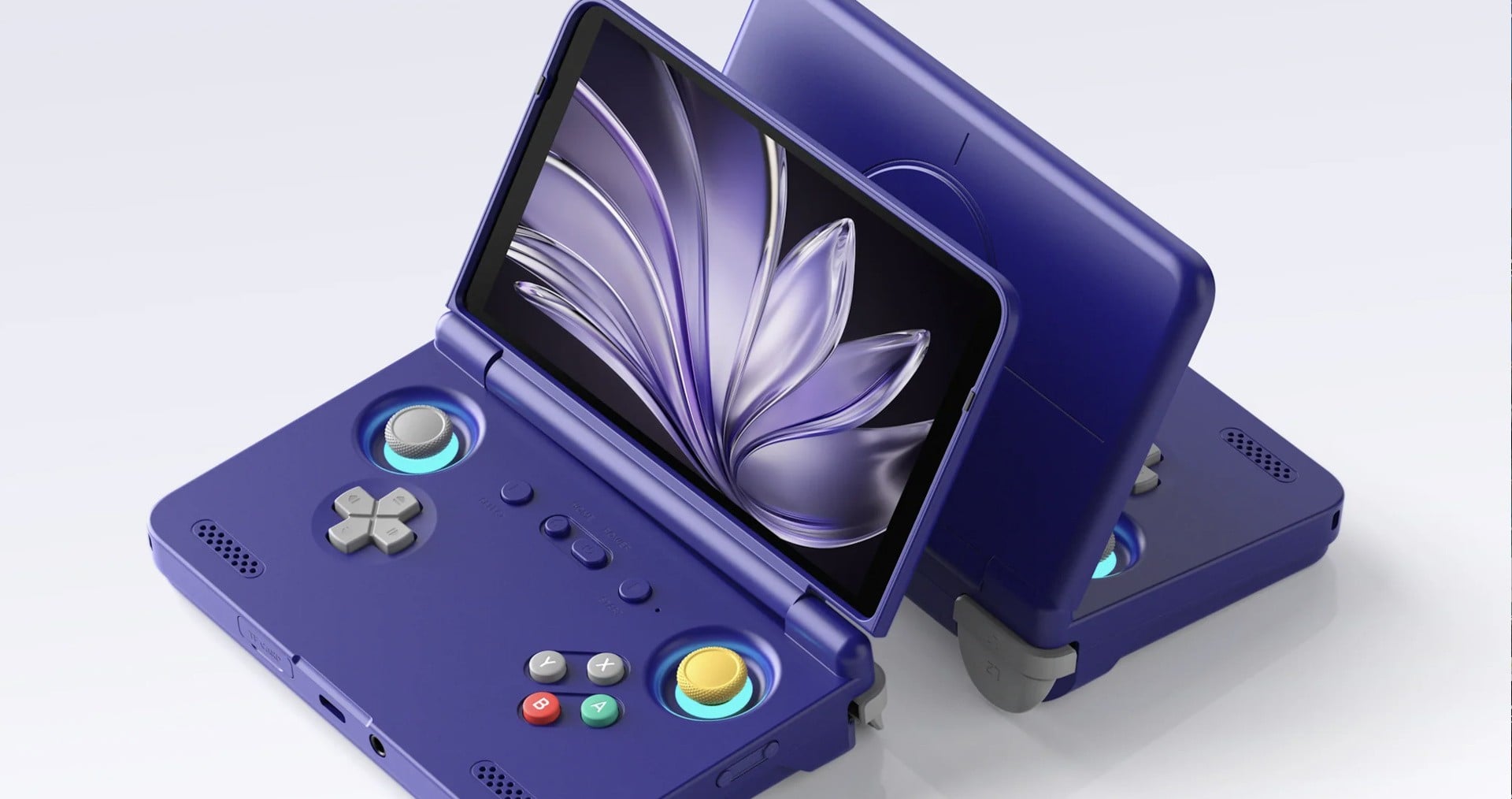
Retroid recently confirmed that its Retroid Pocket G2 will be temporarily discontinued, further underscoring the pressures stemming from limited component availability.
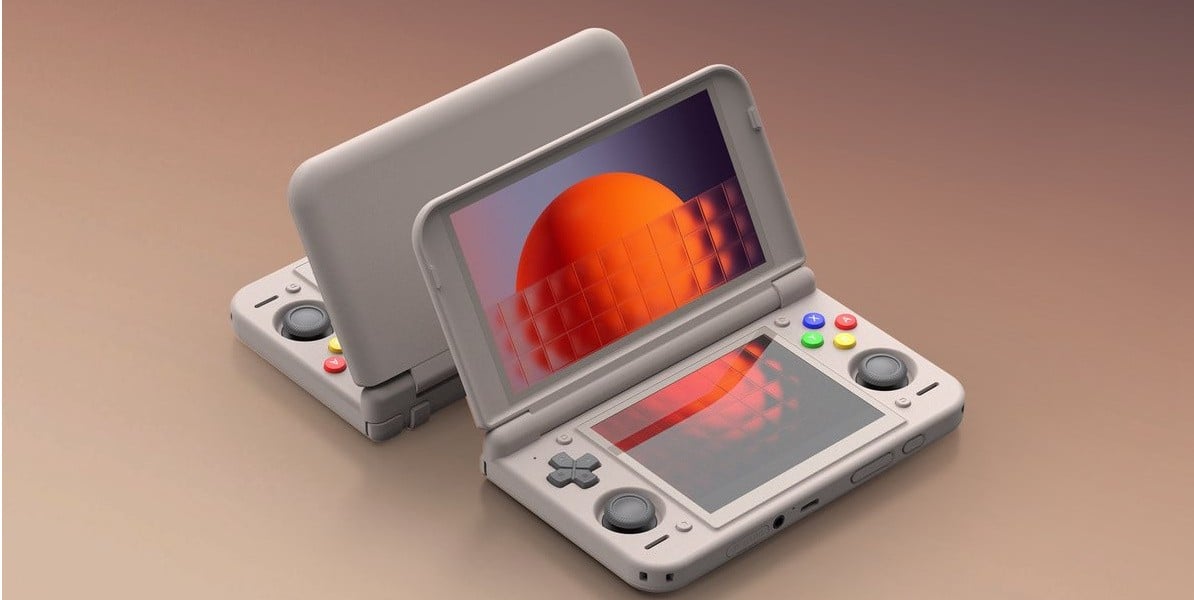
In addition, the Retroid Pocket Classic will see a price rise of $20, a move directly linked to increased production costs caused by the scarcity of memory chips.
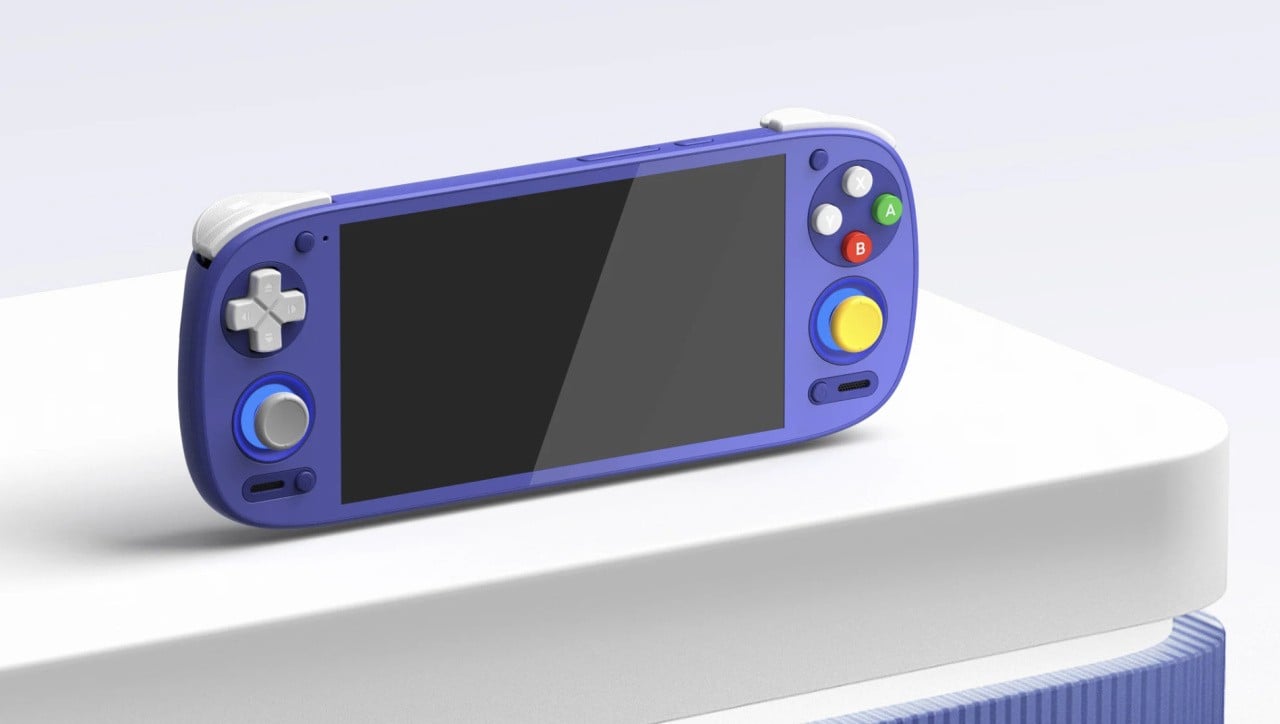
In a statement, a Retroid representative noted that the Retroid Pocket 5—which shares a similar design philosophy with the G2—remains in the company's lineup and "continues to be a reliable choice for customers seeking a quality handheld experience".
The company emphasized its commitment to maintaining as much availability as possible for its user base, despite the ongoing challenges from supply chain constraints.
Retroid’s experience is far from unique.
The memory supply crunch is affecting manufacturers across the gaming hardware landscape.
Another notable example is the upcoming AYANEO Next 2, whose 128GB variant carries a steep retail price of $4,299.
AYANEO attributes this increase to the high cost and limited availability of memory chips, a trend that mirrors Retroid’s predicament.
The global memory chip shortage, intensified by the massive resource demands of AI development, is forcing hardware companies to make difficult decisions—ranging from bumping up prices to suspending or discontinuing certain product lines.
For gaming enthusiasts and the industry at large, this means fewer choices and higher costs, at least in the short term, as manufacturers grapple with these unprecedented supply chain challenges.
As the situation evolves, established brands like Retroid are striving to balance customer expectations with the reality of the current market, reinforcing the widespread impact that expanding sectors like AI exert on the broader technology and gaming ecosystems.
Retroid, a notable manufacturer of portable gaming hardware, has become one of the most recent companies to be impacted by the ongoing worldwide memory chip shortage—a shortage exacerbated by the ever-growing demand fueled by AI technologies.
Earlier this month, Retroid announced a price increase for its popular Retroid Pocket 6 and the discontinuation of its 12GB variant, citing difficulty in sourcing sufficient high-capacity memory for production.
Now, fresh challenges have emerged for the brand.
Retroid recently confirmed that its Retroid Pocket G2 will be temporarily discontinued, further underscoring the pressures stemming from limited component availability.
In addition, the Retroid Pocket Classic will see a price rise of $20, a move directly linked to increased production costs caused by the scarcity of memory chips.
In a statement, a Retroid representative noted that the Retroid Pocket 5—which shares a similar design philosophy with the G2—remains in the company's lineup and "continues to be a reliable choice for customers seeking a quality handheld experience".
The company emphasized its commitment to maintaining as much availability as possible for its user base, despite the ongoing challenges from supply chain constraints.
Retroid’s experience is far from unique.
The memory supply crunch is affecting manufacturers across the gaming hardware landscape.
Another notable example is the upcoming AYANEO Next 2, whose 128GB variant carries a steep retail price of $4,299.
AYANEO attributes this increase to the high cost and limited availability of memory chips, a trend that mirrors Retroid’s predicament.
The global memory chip shortage, intensified by the massive resource demands of AI development, is forcing hardware companies to make difficult decisions—ranging from bumping up prices to suspending or discontinuing certain product lines.
For gaming enthusiasts and the industry at large, this means fewer choices and higher costs, at least in the short term, as manufacturers grapple with these unprecedented supply chain challenges.
As the situation evolves, established brands like Retroid are striving to balance customer expectations with the reality of the current market, reinforcing the widespread impact that expanding sectors like AI exert on the broader technology and gaming ecosystems.