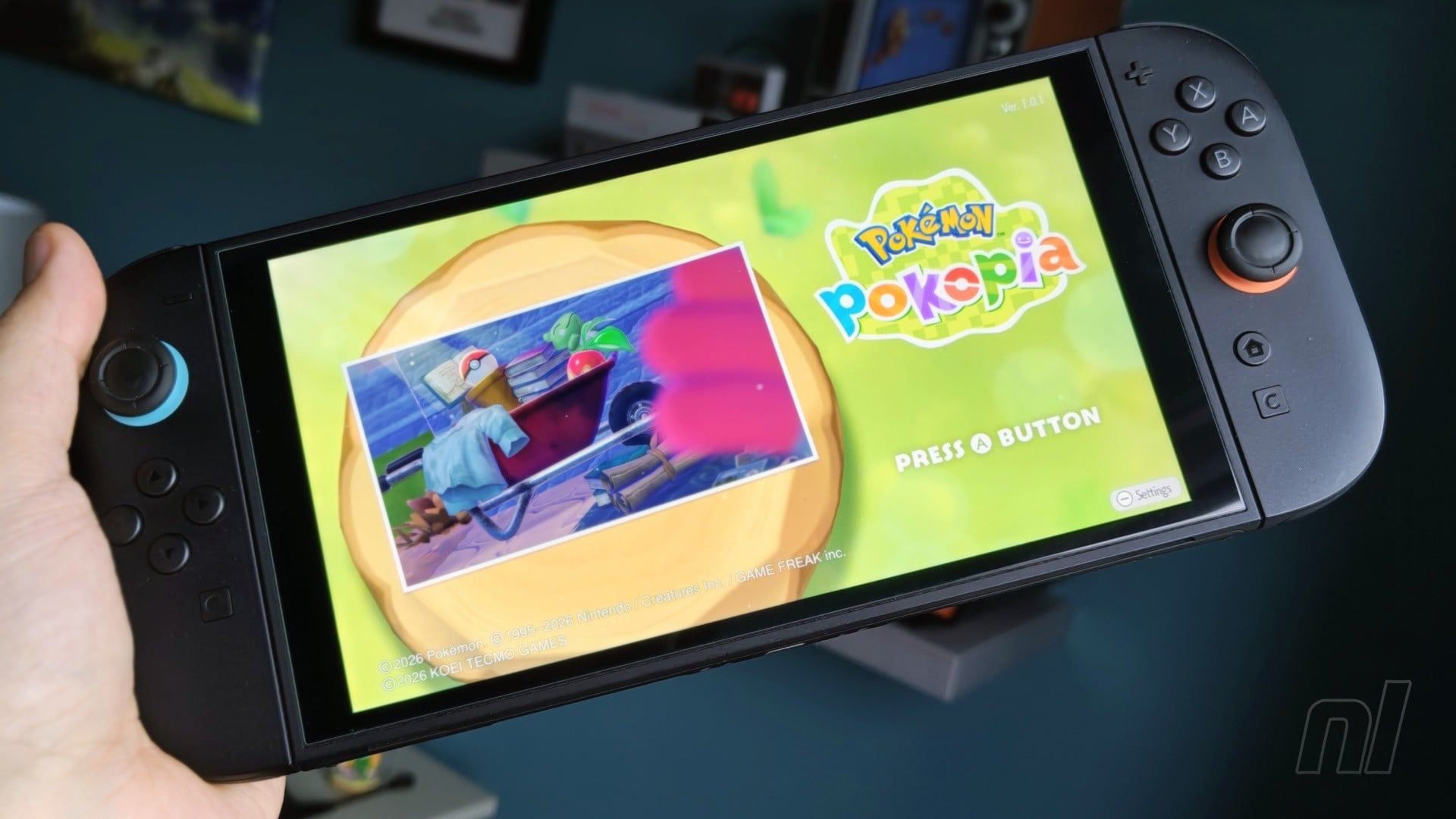

In the run-up to the highly anticipated release of Pokémon Pokopia for the upcoming Nintendo Switch 2, fan engagement has soared, with enthusiasts crafting memes and custom images using a font generator developed by Pixel Frame.
The Pokopia logo, rapidly gaining notoriety across social channels, has become an outlet for creativity ahead of the game's official launch.
However, the phenomenon took a new turn on March 5, 2026, when The White House's social media team published an image on X (formerly Twitter).
The visual showed the prominent phrase "make america great again" redesigned in the distinctive Pokopia typeface, set against the backdrop of the game's signature key art.
This instance of using copyrighted Pokémon Pokopia visual assets quickly drew the attention of both fans and industry observers, raising questions about rights and permissions.
In response to reports by TIME magazine and growing public scrutiny, Sravanthi Dev, spokesperson for The Pokémon Company, released an official statement firmly clarifying the company's position.
In the statement, Dev asserted, "We are aware of recent social content that includes imagery associated with our brand.
We were not involved in its creation or distribution, and no permission was granted for the use of our intellectual property.
Our mission is to bring the world together, and that mission is not affiliated with any political viewpoint or agenda."
Pokémon Pokopia, expected to be a flagship title for Nintendo's next-generation console, has been surrounded by considerable excitement since its announcement.
Developed by The Pokémon Company, the game represents the latest evolution of the franchise on Nintendo hardware, signaling continuing innovation in gameplay and social features on platforms like Nintendo Switch 2 and the eShop.
While fans have been generating content through tools like the Pokopia font generator, the company's strict adherence to copyright protection is clear, particularly when it comes to political context.
This recent incident is not without precedent.
In September 2025, the White House's Department of Homeland Security released a recruitment video for Immigration and Customs Enforcement (ICE) that used Pokémon anime visuals and music.
The move prompted widespread backlash, after which The Pokémon Company reiterated that it had not granted permission for use of its intellectual property, though at that time the statement did not reference its core mission.
Don McGowan, the firm's former Chief Legal Officer, noted then that further legal action was unlikely, citing the company’s preference to avoid generating additional publicity around such incidents.
As Nintendo and The Pokémon Company prepare for the official release of Pokémon Pokopia on Nintendo Switch 2, this episode underscores the importance of respecting intellectual property rights in both the gaming industry and public communications.
The company’s steadfast commitment to neutrality and its aspiration to unite players globally remain central to the Pokémon brand ethos.
With the launch date approaching, fans and organizations alike are reminded to adhere to appropriate guidelines governing the use of game assets and trademarks.
The Pokopia logo, rapidly gaining notoriety across social channels, has become an outlet for creativity ahead of the game's official launch.
However, the phenomenon took a new turn on March 5, 2026, when The White House's social media team published an image on X (formerly Twitter).
The visual showed the prominent phrase "make america great again" redesigned in the distinctive Pokopia typeface, set against the backdrop of the game's signature key art.
This instance of using copyrighted Pokémon Pokopia visual assets quickly drew the attention of both fans and industry observers, raising questions about rights and permissions.
In response to reports by TIME magazine and growing public scrutiny, Sravanthi Dev, spokesperson for The Pokémon Company, released an official statement firmly clarifying the company's position.
In the statement, Dev asserted, "We are aware of recent social content that includes imagery associated with our brand.
We were not involved in its creation or distribution, and no permission was granted for the use of our intellectual property.
Our mission is to bring the world together, and that mission is not affiliated with any political viewpoint or agenda."
Pokémon Pokopia, expected to be a flagship title for Nintendo's next-generation console, has been surrounded by considerable excitement since its announcement.
Developed by The Pokémon Company, the game represents the latest evolution of the franchise on Nintendo hardware, signaling continuing innovation in gameplay and social features on platforms like Nintendo Switch 2 and the eShop.
While fans have been generating content through tools like the Pokopia font generator, the company's strict adherence to copyright protection is clear, particularly when it comes to political context.
This recent incident is not without precedent.
In September 2025, the White House's Department of Homeland Security released a recruitment video for Immigration and Customs Enforcement (ICE) that used Pokémon anime visuals and music.
The move prompted widespread backlash, after which The Pokémon Company reiterated that it had not granted permission for use of its intellectual property, though at that time the statement did not reference its core mission.
Don McGowan, the firm's former Chief Legal Officer, noted then that further legal action was unlikely, citing the company’s preference to avoid generating additional publicity around such incidents.
As Nintendo and The Pokémon Company prepare for the official release of Pokémon Pokopia on Nintendo Switch 2, this episode underscores the importance of respecting intellectual property rights in both the gaming industry and public communications.
The company’s steadfast commitment to neutrality and its aspiration to unite players globally remain central to the Pokémon brand ethos.
With the launch date approaching, fans and organizations alike are reminded to adhere to appropriate guidelines governing the use of game assets and trademarks.