


The Sega Master System's UK sales story remains one of the most striking regional market anomalies in console history.
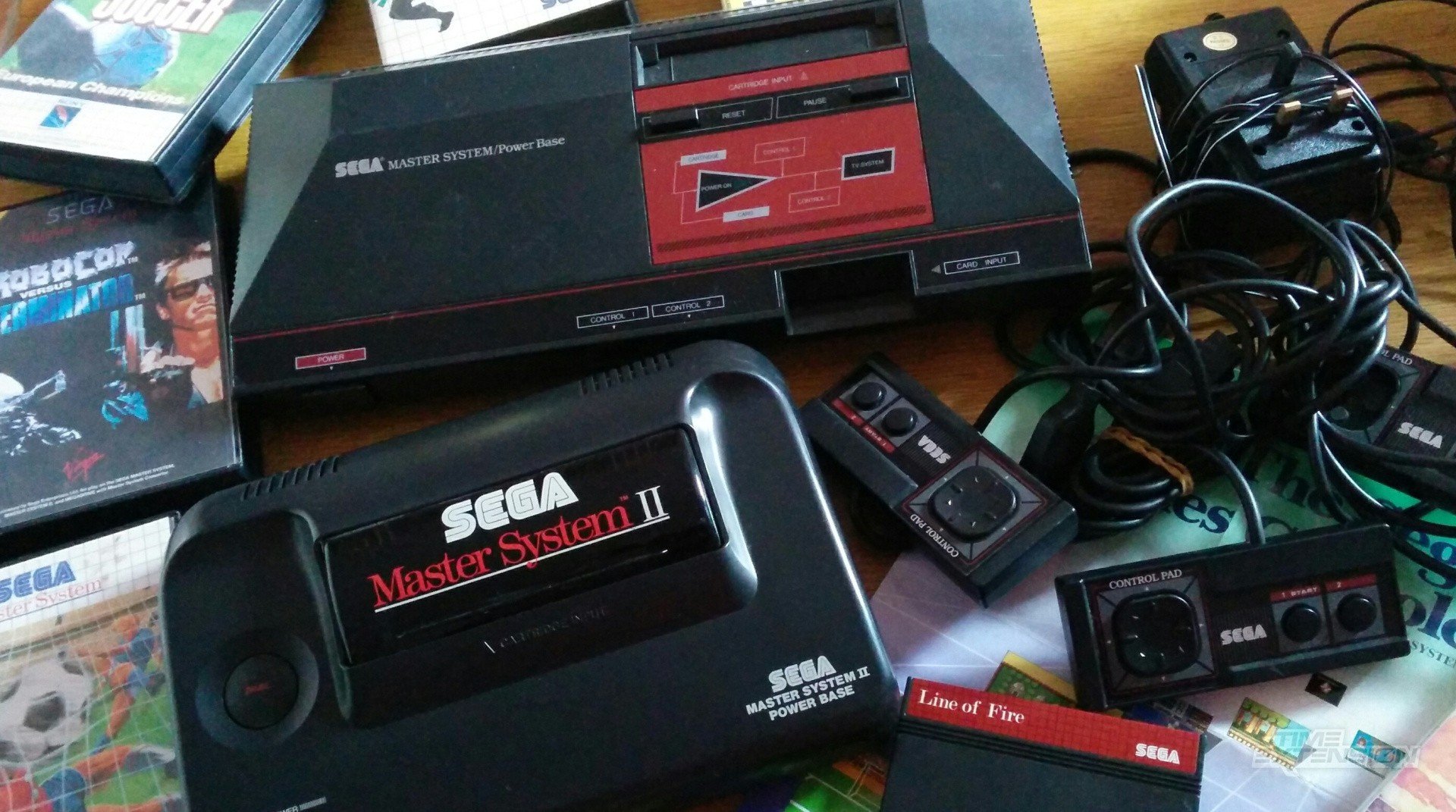
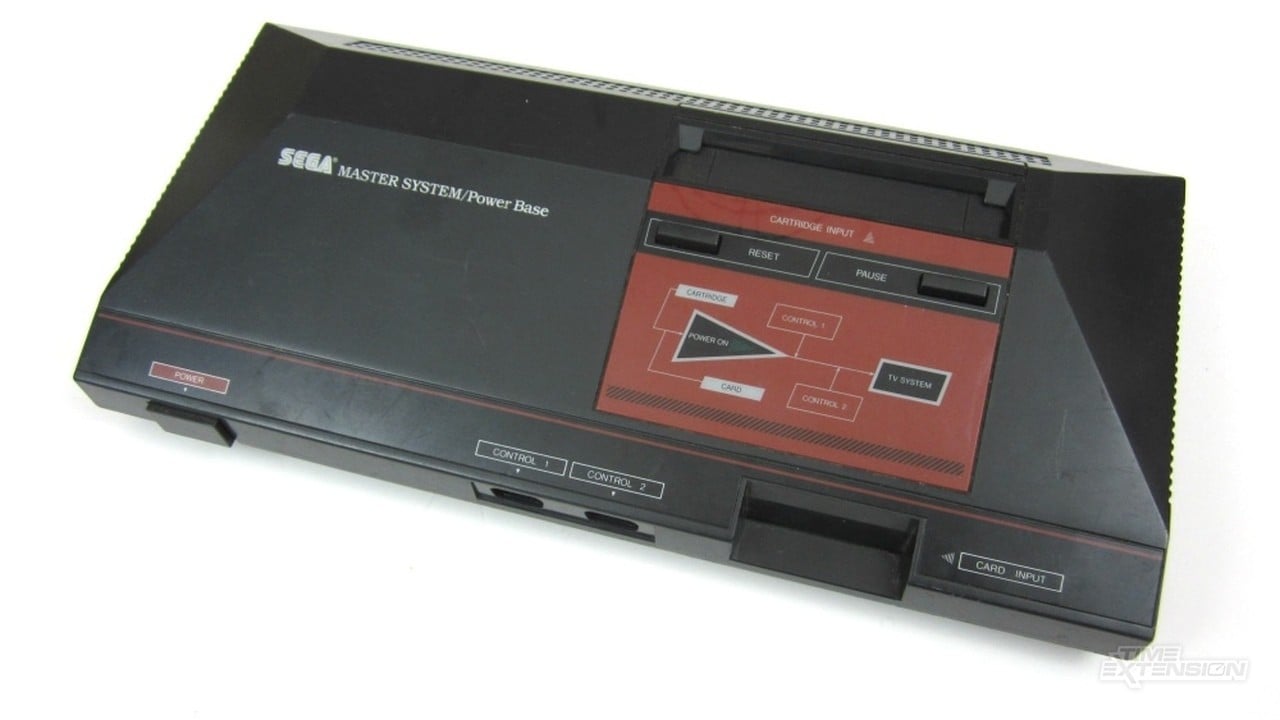
The Master System, Sega’s 8-bit console first released in Japan as the Mark III in 1985 and internationally as the Master System in 1986, struggled to compete with Nintendo in Japan and North America but found an unusually receptive audience in the United Kingdom.
That success was driven by a local market landscape dominated by home computers and by distribution arrangements that favored Sega through partners such as Virgin.
According to business intelligence firm Screen Digest (1995), the Master System sold approximately 1,350,000 units in the UK.
If accurate, that total places the 8-bit console ahead of several later systems on UK soil, including the GameCube (1,150,000, ELSPA), NES (1,150,000, EDGE), Game Boy Color (1,100,000, Nintendo), SNES (1,050,000, Screen Digest), Dreamcast (600,000, Screen Digest), Wii U (560,000, Chris Dring) and PS Vita (500,000, Screen Digest).
Those figures vary by source, but the broader point is clear: in the UK the Master System performed far above expectations for an 8-bit system competing against Nintendo’s global dominance.
Industry veterans have explained the regional divergence.
Former Sega Europe CEO Nick Alexander summarized the divide by noting that while Nintendo enjoyed overwhelming share in Japan and North America, Europe — and the UK in particular — was a different market where Sega established early leadership.
Alexander credited frequent shifts in Nintendo’s UK distribution for creating opportunities Sega could exploit.
Mike Hayes, who later became Nintendo UK Marketing Director, recalled joining the company in 1989 and finding the NES underperforming in Britain.
Hayes said Nintendo’s UK retail position was weak at the time, with NES stock and perception lagging behind Sega — a situation that left Sega often controlling roughly two-thirds of the market while Nintendo held around one-third.
Beyond Europe, the Master System also achieved long-term commercial success in Brazil thanks to a sustained partnership with local publisher Tec Toy, which continued to manufacture and market the console well after its global lifecycle wound down.
The Master System’s UK performance is a reminder that console success is shaped as much by regional retail channels, distribution partners and local consumer habits as by global brand power.
For historians of the industry, the UK Master System stands as an instructive counterpoint to the familiar Nintendo-dominated narrative of the 1980s.
The Master System, Sega’s 8-bit console first released in Japan as the Mark III in 1985 and internationally as the Master System in 1986, struggled to compete with Nintendo in Japan and North America but found an unusually receptive audience in the United Kingdom.
That success was driven by a local market landscape dominated by home computers and by distribution arrangements that favored Sega through partners such as Virgin.
According to business intelligence firm Screen Digest (1995), the Master System sold approximately 1,350,000 units in the UK.
If accurate, that total places the 8-bit console ahead of several later systems on UK soil, including the GameCube (1,150,000, ELSPA), NES (1,150,000, EDGE), Game Boy Color (1,100,000, Nintendo), SNES (1,050,000, Screen Digest), Dreamcast (600,000, Screen Digest), Wii U (560,000, Chris Dring) and PS Vita (500,000, Screen Digest).
Those figures vary by source, but the broader point is clear: in the UK the Master System performed far above expectations for an 8-bit system competing against Nintendo’s global dominance.
Industry veterans have explained the regional divergence.
Former Sega Europe CEO Nick Alexander summarized the divide by noting that while Nintendo enjoyed overwhelming share in Japan and North America, Europe — and the UK in particular — was a different market where Sega established early leadership.
Alexander credited frequent shifts in Nintendo’s UK distribution for creating opportunities Sega could exploit.
Mike Hayes, who later became Nintendo UK Marketing Director, recalled joining the company in 1989 and finding the NES underperforming in Britain.
Hayes said Nintendo’s UK retail position was weak at the time, with NES stock and perception lagging behind Sega — a situation that left Sega often controlling roughly two-thirds of the market while Nintendo held around one-third.
Beyond Europe, the Master System also achieved long-term commercial success in Brazil thanks to a sustained partnership with local publisher Tec Toy, which continued to manufacture and market the console well after its global lifecycle wound down.
The Master System’s UK performance is a reminder that console success is shaped as much by regional retail channels, distribution partners and local consumer habits as by global brand power.
For historians of the industry, the UK Master System stands as an instructive counterpoint to the familiar Nintendo-dominated narrative of the 1980s.