
When Palace Software unleashed Barbarian onto the gaming world in 1987, it quickly cemented its reputation as one of the most controversial and memorable 8-bit titles of its era.
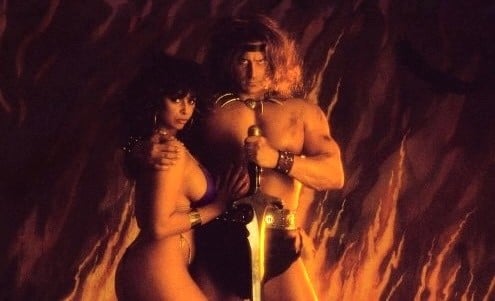
Debuting on iconic platforms like the Amstrad CPC, Commodore 64, and ZX Spectrum, Barbarian dazzled audiences with its brutal decapitation-based gameplay and attracted widespread attention—and criticism—for its provocative British advertising campaign featuring model Maria Whittaker and future Gladiators star Michael Van Wijk.
Barbarian’s notorious launch was marked not only by its vivid, gory visuals but also by a marketing approach that blended sensationalism and controversy, drawing complaints in the UK and resulting in the game’s ban in its original form in Germany.
Despite these challenges, Barbarian was both a critical and commercial success, garnering positive reviews across gaming magazines and quickly achieving best-seller status among home computer enthusiasts.
The game’s legacy was further solidified with the release of Barbarian II: The Dungeon of Drax in 1988, which again featured both Whittaker and Van Wijk in promotional imagery.
Decades after its initial success, Barbarian is once again making headlines in the retro gaming community.
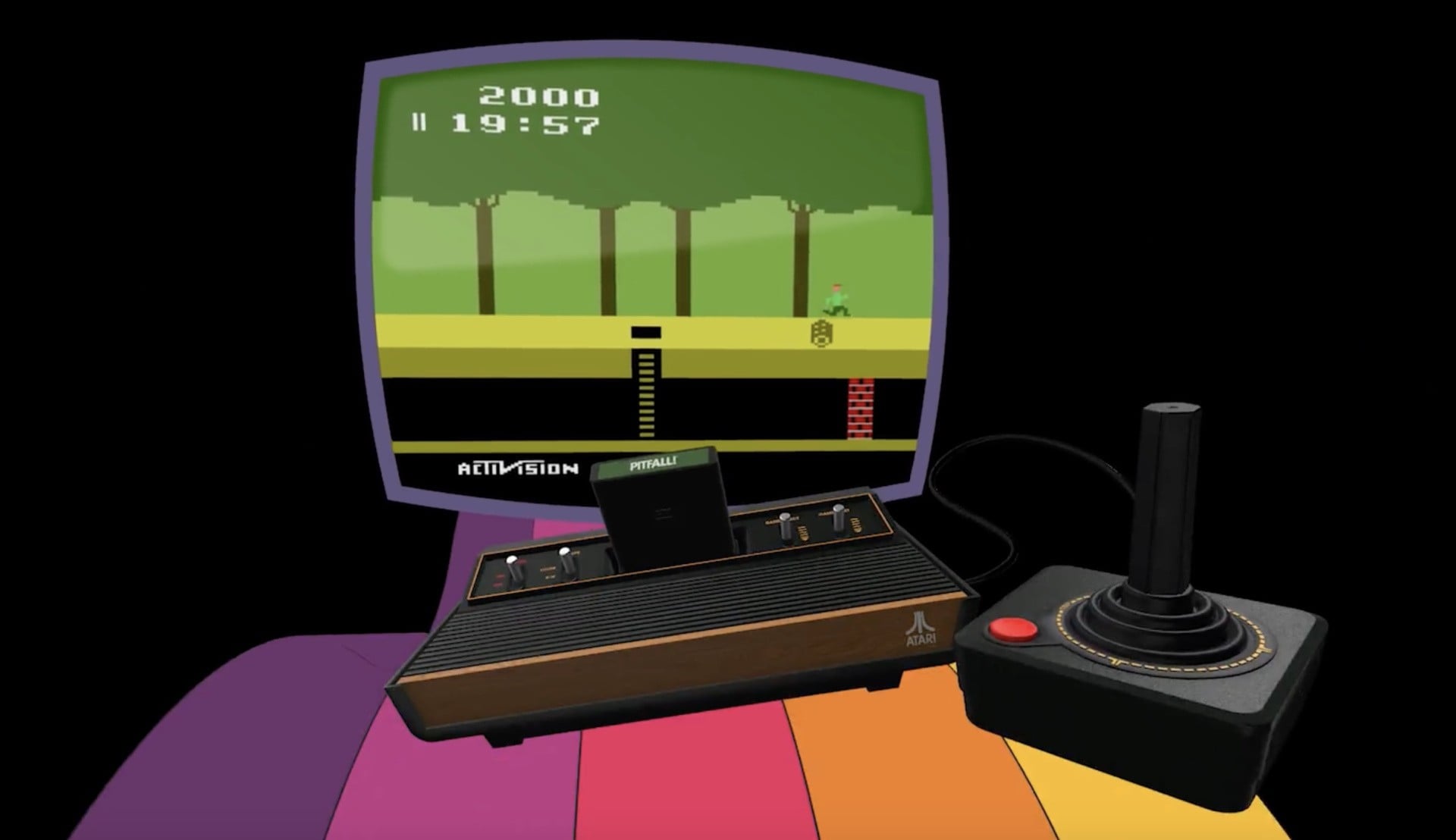
A dedicated Polish development team, comprised of Vega, Gaspar, Miker, and GienekP, have undertaken the task of bringing an unofficial port of Barbarian to Atari’s line of 8-bit home computers—a platform that was notably absent during the game’s original run in the late 1980s.
In a statement from the team, their motivation is clear: "Our aim is to deliver an authentic and faithful version of Barbarian for Atari 8-bit fans who never had the opportunity to experience the original release on their hardware." The team’s commitment to accuracy and respect for the game’s legacy has captured the attention of retro gaming enthusiasts worldwide, who are eager to revisit or discover for the first time the sword-clashing, high-stakes action that made Barbarian a standout hit.
Barbarian’s enduring popularity demonstrates the lasting appeal of classic games from the golden age of home computing.
While the original title relied on the technical capabilities of the Amstrad CPC, Commodore 64, and ZX Spectrum, this new Atari 8-bit port leverages advances in homebrew development and a passionate community to breathe new life into a storied franchise.
Although this latest project is unofficial, it continues the tradition of fan-driven preservation and reinvention within the gaming industry—mirroring the strength of communities found on platforms like the Nintendo Switch and the eShop.
For enthusiasts eager to follow the progress of the Atari 8-bit port, the development team has provided regular updates and insights, ensuring that Barbarian’s legendary status endures for another generation of gamers.
Debuting on iconic platforms like the Amstrad CPC, Commodore 64, and ZX Spectrum, Barbarian dazzled audiences with its brutal decapitation-based gameplay and attracted widespread attention—and criticism—for its provocative British advertising campaign featuring model Maria Whittaker and future Gladiators star Michael Van Wijk.
Barbarian’s notorious launch was marked not only by its vivid, gory visuals but also by a marketing approach that blended sensationalism and controversy, drawing complaints in the UK and resulting in the game’s ban in its original form in Germany.
Despite these challenges, Barbarian was both a critical and commercial success, garnering positive reviews across gaming magazines and quickly achieving best-seller status among home computer enthusiasts.
The game’s legacy was further solidified with the release of Barbarian II: The Dungeon of Drax in 1988, which again featured both Whittaker and Van Wijk in promotional imagery.
Decades after its initial success, Barbarian is once again making headlines in the retro gaming community.
A dedicated Polish development team, comprised of Vega, Gaspar, Miker, and GienekP, have undertaken the task of bringing an unofficial port of Barbarian to Atari’s line of 8-bit home computers—a platform that was notably absent during the game’s original run in the late 1980s.
In a statement from the team, their motivation is clear: "Our aim is to deliver an authentic and faithful version of Barbarian for Atari 8-bit fans who never had the opportunity to experience the original release on their hardware." The team’s commitment to accuracy and respect for the game’s legacy has captured the attention of retro gaming enthusiasts worldwide, who are eager to revisit or discover for the first time the sword-clashing, high-stakes action that made Barbarian a standout hit.
Barbarian’s enduring popularity demonstrates the lasting appeal of classic games from the golden age of home computing.
While the original title relied on the technical capabilities of the Amstrad CPC, Commodore 64, and ZX Spectrum, this new Atari 8-bit port leverages advances in homebrew development and a passionate community to breathe new life into a storied franchise.
Although this latest project is unofficial, it continues the tradition of fan-driven preservation and reinvention within the gaming industry—mirroring the strength of communities found on platforms like the Nintendo Switch and the eShop.
For enthusiasts eager to follow the progress of the Atari 8-bit port, the development team has provided regular updates and insights, ensuring that Barbarian’s legendary status endures for another generation of gamers.