Kirby Air Riders: Inside the Music and Development Process with Sakurai, Iwadare, and Sakai
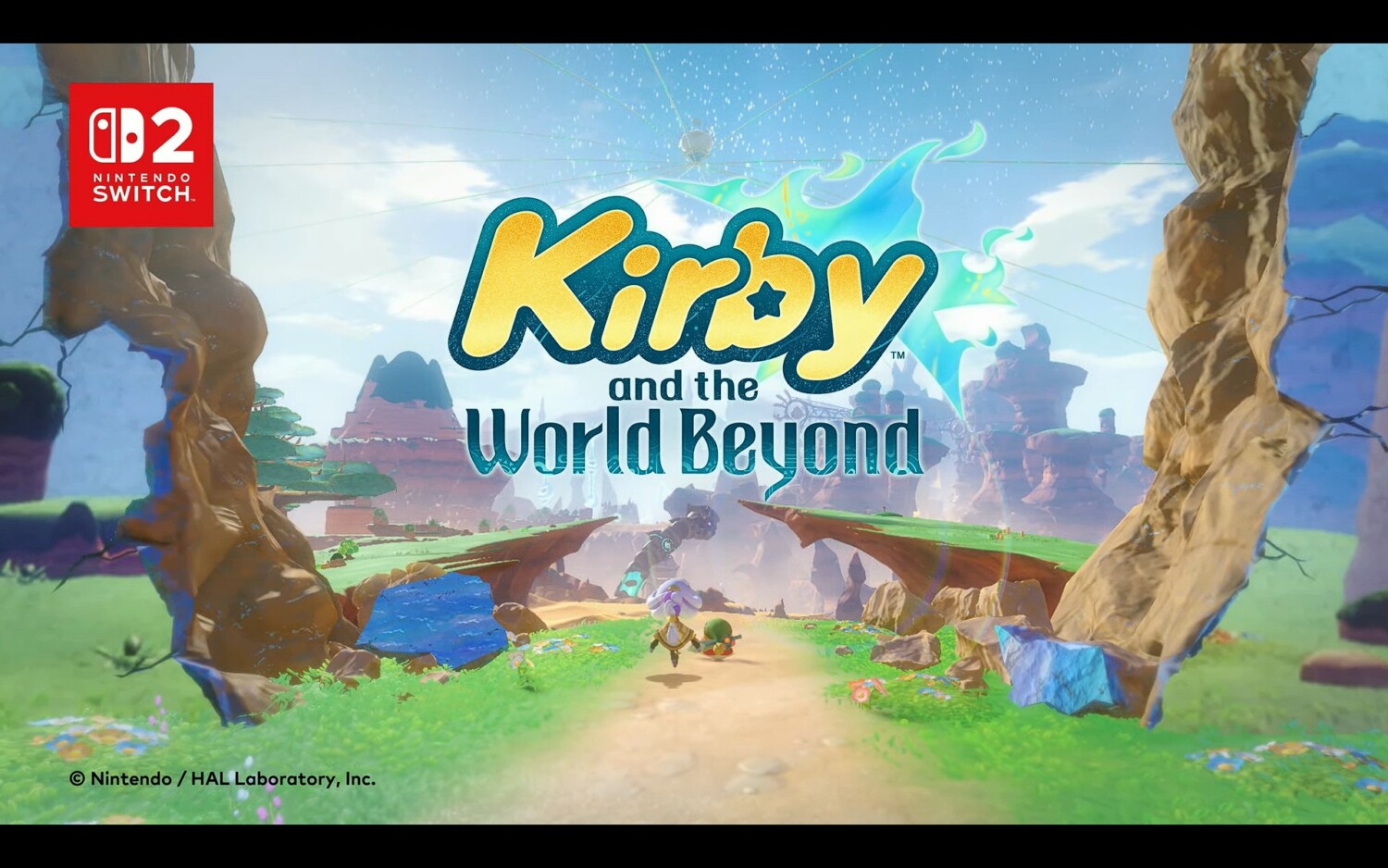
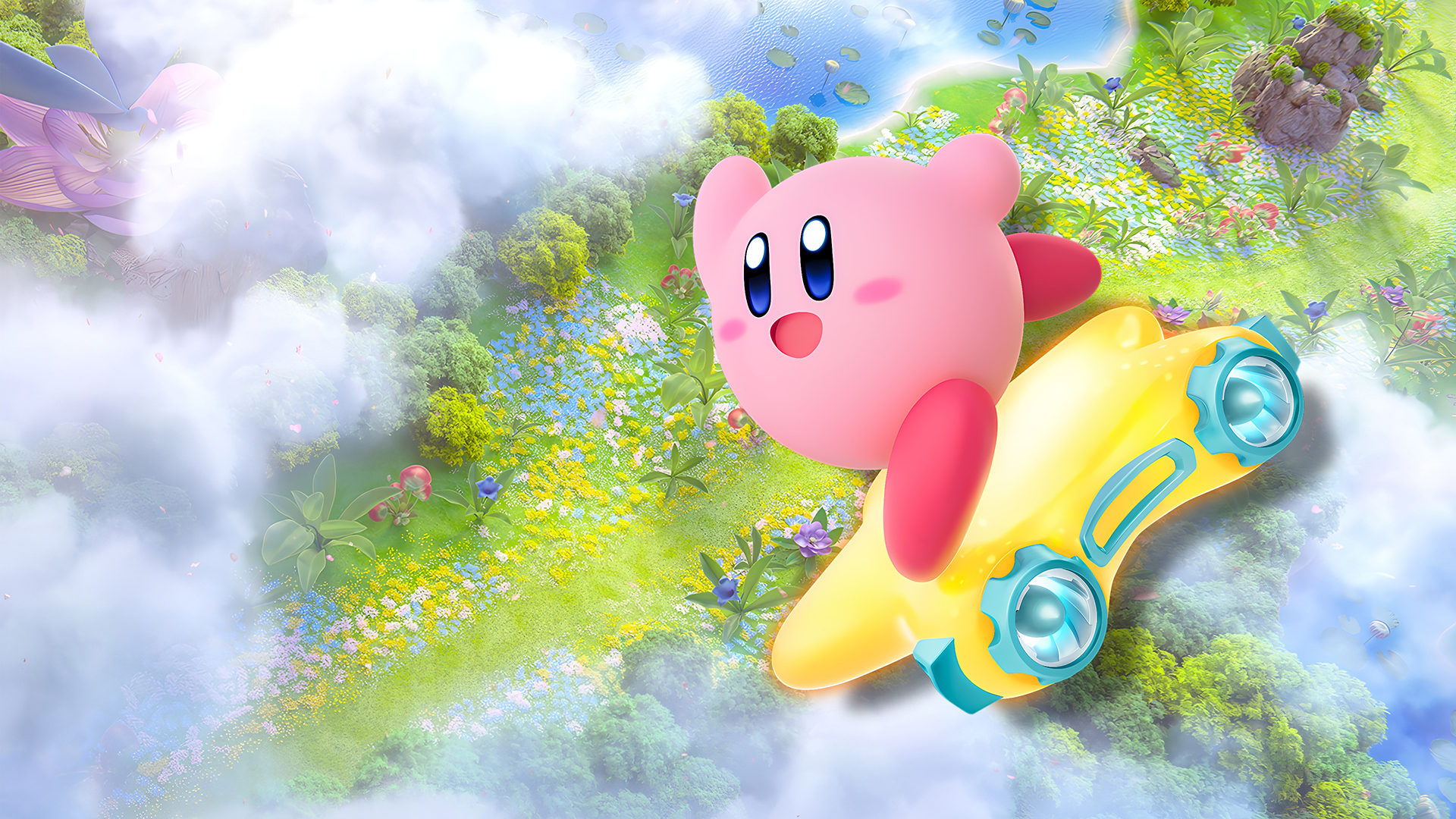
Kirby Air Riders, developed for the Nintendo Switch 2, stands out with its vibrant racing and imaginative soundtrack, offering a new chapter in the celebrated Kirby series.
With Masahiro Sakurai at the helm as director and music crafted by renowned composers Noriyuki Iwadare and Shogo Sakai, the game marks another significant milestone for Nintendo and Bandai Namco Studios.
Following its announcement in Nintendo Direct: Nintendo Switch 2 - 4.2.2025, fans and industry professionals have taken special interest in the game’s polished production values and the depth of its audio design.
Masahiro Sakurai, a pivotal figure in both the Kirby and Super Smash Bros. franchises, led a unique creative process for Kirby Air Riders.
During a recent in-depth interview, Sakurai revealed, “When composing the main theme, we wanted something children could sing along to, but also a composition that held deeper meaning.” Composers Noriyuki Iwadare and Shogo Sakai both contributed to this vision, with Iwadare recalling how he initially presented three separate songs to Sakurai.
Iwadare explained, “Out of the three submissions, the second became the game’s main theme, 'Starlit Journey (JP ver.)', while the third was selected as the ending theme, 'Starlit Journey: Free (JP ver.)'.
It was quite a surprise to see two pieces chosen.”
The team focused on a ‘lyrics-first’ approach, a songwriting method where the words are crafted before the melody.
Sakurai shared that he wrote the lyrics himself, aiming for simple phrases that evoke emotion while remaining easy to remember.
“The idea was to keep the fantasy world separated from its creators and let the music speak to the players,” said Sakurai.
“I put a lot of thought into the rhythm and structure of each line, wanting the A-section and chorus to follow a consistent 7-5-7-5-7-7 pattern.”
Collaboration was at the heart of the project.
Sakai and Iwadare both noted how composing with minimal lyrics allowed for greater melodic diversity and unity within the soundtrack.
The recording sessions brought in some of the industry's best musicians, with all live performances recorded over several intense sessions.
According to Sakai, “We had more than fifty songs, and achieving consistency was crucial.
Using the same musicians and engineers for each recording session created a unique sense of unity across the soundtrack.”
The technical polish extended all the way through post-production.
Sakurai recounted his method of checking mixes on multiple types of speakers, from professional monitors to basic TV speakers and headphones, ensuring that the music would sound cohesive and memorable to players regardless of their setup.
“Having an outside perspective during final checks helped maintain objectivity and raised the soundtrack’s quality,” Sakurai emphasized.
Another unique element was the careful selection of vocalists for key tracks, facilitated by Face Music.
Both YuReeNa and Sayo, the chosen vocalists for "Starlit Journey (JP ver.)" and "Starlit Journey: Ballad (JP ver.)" respectively, brought a neutral tone to the songs as per Sakurai’s direction.
According to Iwadare, personal coaching and rehearsal were key to capturing the intended restrained vocal style.
Kirby Air Riders’ soundtrack demonstrates a meticulous and collaborative approach to game audio, building on the legacy of both the Kirby and Super Smash Bros. series.
Over 100 tracks from the game are now available to Nintendo Switch Online members via the Nintendo Music app.
Whether experienced in-game or through dedicated music platforms, the project has set a new standard for video game music production and integration.
For fans of the series and music aficionados alike, Kirby Air Riders marks a defining entry in the Nintendo Switch 2’s growing library of standout titles.
Kirby Air Riders, developed for the Nintendo Switch 2, stands out with its vibrant racing and imaginative soundtrack, offering a new chapter in the celebrated Kirby series.
With Masahiro Sakurai at the helm as director and music crafted by renowned composers Noriyuki Iwadare and Shogo Sakai, the game marks another significant milestone for Nintendo and Bandai Namco Studios.
Following its announcement in Nintendo Direct: Nintendo Switch 2 - 4.2.2025, fans and industry professionals have taken special interest in the game’s polished production values and the depth of its audio design.
Masahiro Sakurai, a pivotal figure in both the Kirby and Super Smash Bros. franchises, led a unique creative process for Kirby Air Riders.
During a recent in-depth interview, Sakurai revealed, “When composing the main theme, we wanted something children could sing along to, but also a composition that held deeper meaning.” Composers Noriyuki Iwadare and Shogo Sakai both contributed to this vision, with Iwadare recalling how he initially presented three separate songs to Sakurai.
Iwadare explained, “Out of the three submissions, the second became the game’s main theme, 'Starlit Journey (JP ver.)', while the third was selected as the ending theme, 'Starlit Journey: Free (JP ver.)'.
It was quite a surprise to see two pieces chosen.”
The team focused on a ‘lyrics-first’ approach, a songwriting method where the words are crafted before the melody.
Sakurai shared that he wrote the lyrics himself, aiming for simple phrases that evoke emotion while remaining easy to remember.
“The idea was to keep the fantasy world separated from its creators and let the music speak to the players,” said Sakurai.
“I put a lot of thought into the rhythm and structure of each line, wanting the A-section and chorus to follow a consistent 7-5-7-5-7-7 pattern.”
Collaboration was at the heart of the project.
Sakai and Iwadare both noted how composing with minimal lyrics allowed for greater melodic diversity and unity within the soundtrack.
The recording sessions brought in some of the industry's best musicians, with all live performances recorded over several intense sessions.
According to Sakai, “We had more than fifty songs, and achieving consistency was crucial.
Using the same musicians and engineers for each recording session created a unique sense of unity across the soundtrack.”
The technical polish extended all the way through post-production.
Sakurai recounted his method of checking mixes on multiple types of speakers, from professional monitors to basic TV speakers and headphones, ensuring that the music would sound cohesive and memorable to players regardless of their setup.
“Having an outside perspective during final checks helped maintain objectivity and raised the soundtrack’s quality,” Sakurai emphasized.
Another unique element was the careful selection of vocalists for key tracks, facilitated by Face Music.
Both YuReeNa and Sayo, the chosen vocalists for "Starlit Journey (JP ver.)" and "Starlit Journey: Ballad (JP ver.)" respectively, brought a neutral tone to the songs as per Sakurai’s direction.
According to Iwadare, personal coaching and rehearsal were key to capturing the intended restrained vocal style.
Kirby Air Riders’ soundtrack demonstrates a meticulous and collaborative approach to game audio, building on the legacy of both the Kirby and Super Smash Bros. series.
Over 100 tracks from the game are now available to Nintendo Switch Online members via the Nintendo Music app.
Whether experienced in-game or through dedicated music platforms, the project has set a new standard for video game music production and integration.
For fans of the series and music aficionados alike, Kirby Air Riders marks a defining entry in the Nintendo Switch 2’s growing library of standout titles.