The Legend of Zelda: Skyward Sword HD Review – Nintendo Switch’s Definitive Zelda Experience
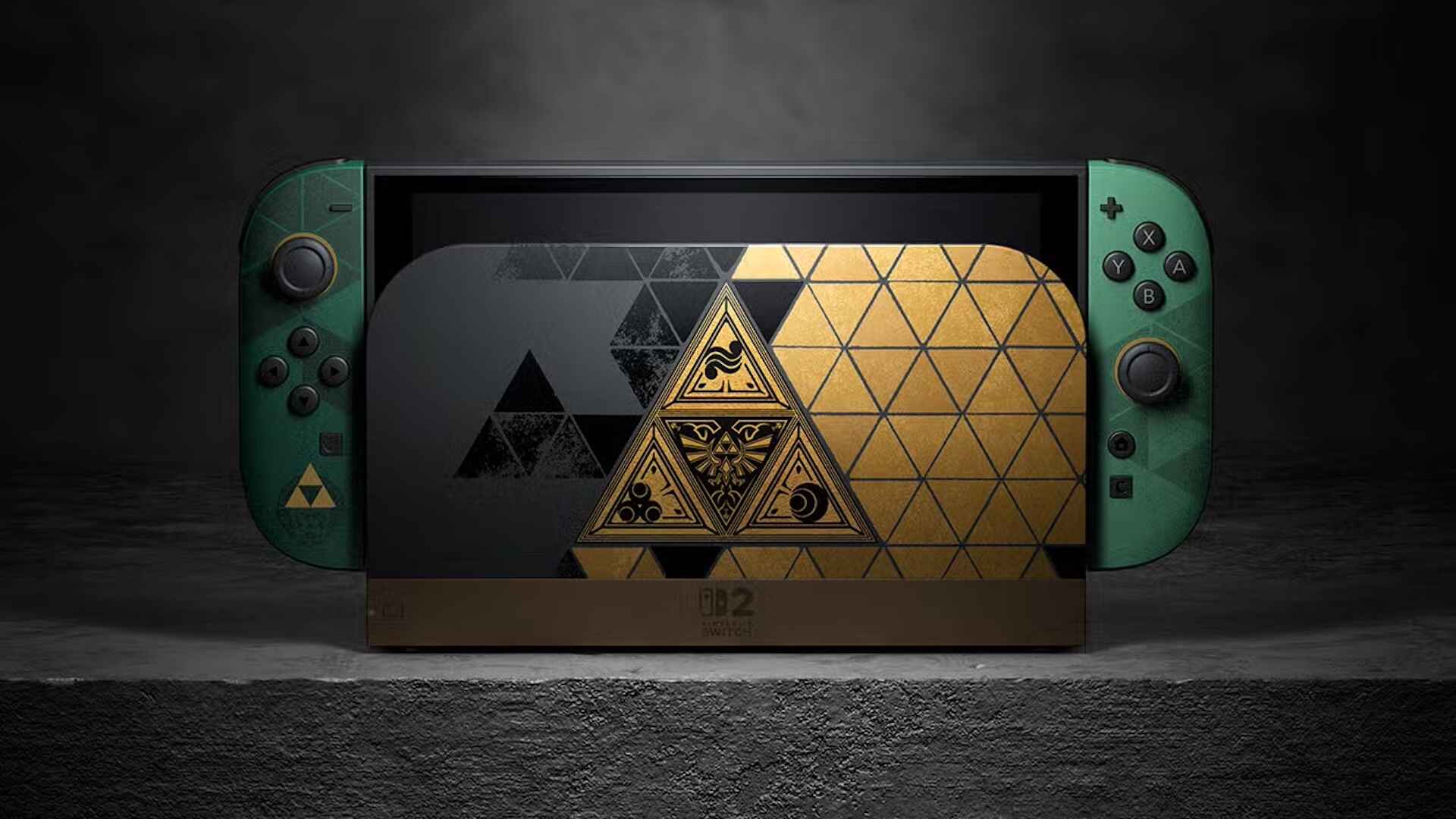
The Legend of Zelda: Skyward Sword HD brings Link’s origin story to Nintendo Switch, offering fans and newcomers alike the chance to experience a pivotal entry in the iconic Zelda franchise.
Originally released for the Nintendo Wii in 2011, Skyward Sword was notable for its ambitious motion-based swordplay and its place in the series timeline as the earliest tale of the Master Sword.
Developed by Nintendo, the original title pushed the limits of the Wii hardware but became a topic of heated discussion due to its linear design and reliance on motion controls.
Now, Nintendo revisits this polarizing classic, delivering a modernized version that addresses the criticisms head-on while preserving the adventurous spirit that defines the series.
A Turning Point in Zelda’s History
The original The Legend of Zelda: Skyward Sword faced a nearly five-year development cycle, landing at a time when public interest in motion gaming was already declining.
Despite receiving praise for its innovative sword control mechanics, critics noted its linear approach and pacing, sparking debate among dedicated Zelda fans.
In hindsight, these critiques influenced Nintendo’s subsequent direction for the series, leading to the critically acclaimed, open-world philosophy of The Legend of Zelda: Breath of the Wild.
Skyward Sword, however, stands as a testament to Nintendo’s willingness to experiment, showcasing both the possibilities and limitations of its chosen hardware.
The story, set at the very beginning of the Zelda timeline, captivated devoted fans, but the Wiimote and Nunchuk-based controls sometimes proved to be a barrier for wider appreciation.
Now, a decade later, The Legend of Zelda: Skyward Sword HD serves as Nintendo’s opportunity to modernize the experience and attract a broader audience on the Nintendo Switch.
Transformative Improvements and Enhanced Accessibility
In The Legend of Zelda: Skyward Sword HD, Nintendo delivers more than just a cosmetic upgrade.
Fans are greeted with a significant graphical overhaul and a consistently smooth 60 frames-per-second performance, enhancing both the game’s aesthetic and responsiveness.
More importantly, Skyward Sword HD introduces flexible control schemes: players can now choose between refined motion controls using Nintendo Switch Joy-Con controllers or an entirely new button-based option, compatible with the Nintendo Switch Pro Controller and Nintendo Switch Lite.
Gamers can even blend button controls with motion input for actions like aiming or camera movement, catering to personal play preferences.
The button-based control scheme offers welcome accessibility, though some adjustments, such as using the L button in combination with the right stick for camera control, require a brief acclimation period.
At the same time, fans of the original motion controls will find the experience improved, thanks to the advanced technology inside the Joy-Con.
Occasional need for realignment remains, especially when aiming with items, but these minor inconveniences are outweighed by the control flexibility now on offer.
Quality of life improvements are extensive: Fi, the spirit of the Goddess Sword, is far less intrusive; cutscenes can be skipped; dialogue moves faster; and autosave functionality means players no longer have to rely solely on manual Bird Statues to secure their progress.
Such modern touches were simply impossible on the original Wii hardware, demonstrating both Nintendo’s commitment to player feedback and the strengths of the Nintendo Switch platform.
The Enduring Legacy of Skyward Sword
Despite the passage of time and the evolving expectations of fans, The Legend of Zelda: Skyward Sword HD remains true to its core vision.
The heartfelt story, memorable characters, and innovative puzzle design anchored around mechanics like the Timeshift Stones in Lanayru Mine make for a captivating adventure.
While certain aspects, such as equipment upgrade requirements, may feel dated, there is plenty to admire, especially for those experiencing Link’s earliest journey for the first time.
Ultimately, The Legend of Zelda: Skyward Sword HD stands as the definitive version of a once-controversial classic.
Its enhanced visuals, expanded control options, and thoughtful quality of life changes make it a showcase of what the Nintendo Switch—and Nintendo as a developer—can achieve when modernizing its legacy.
For fans and newcomers alike, this is an essential addition to any Switch game library, reaffirming Link’s skyward journey as a vital chapter in Zelda’s storied history.
The Legend of Zelda: Skyward Sword HD brings Link’s origin story to Nintendo Switch, offering fans and newcomers alike the chance to experience a pivotal entry in the iconic Zelda franchise.
Originally released for the Nintendo Wii in 2011, Skyward Sword was notable for its ambitious motion-based swordplay and its place in the series timeline as the earliest tale of the Master Sword.
Developed by Nintendo, the original title pushed the limits of the Wii hardware but became a topic of heated discussion due to its linear design and reliance on motion controls.
Now, Nintendo revisits this polarizing classic, delivering a modernized version that addresses the criticisms head-on while preserving the adventurous spirit that defines the series.
A Turning Point in Zelda’s History
The original The Legend of Zelda: Skyward Sword faced a nearly five-year development cycle, landing at a time when public interest in motion gaming was already declining.
Despite receiving praise for its innovative sword control mechanics, critics noted its linear approach and pacing, sparking debate among dedicated Zelda fans.
In hindsight, these critiques influenced Nintendo’s subsequent direction for the series, leading to the critically acclaimed, open-world philosophy of The Legend of Zelda: Breath of the Wild.
Skyward Sword, however, stands as a testament to Nintendo’s willingness to experiment, showcasing both the possibilities and limitations of its chosen hardware.
The story, set at the very beginning of the Zelda timeline, captivated devoted fans, but the Wiimote and Nunchuk-based controls sometimes proved to be a barrier for wider appreciation.
Now, a decade later, The Legend of Zelda: Skyward Sword HD serves as Nintendo’s opportunity to modernize the experience and attract a broader audience on the Nintendo Switch.
Transformative Improvements and Enhanced Accessibility
In The Legend of Zelda: Skyward Sword HD, Nintendo delivers more than just a cosmetic upgrade.
Fans are greeted with a significant graphical overhaul and a consistently smooth 60 frames-per-second performance, enhancing both the game’s aesthetic and responsiveness.
More importantly, Skyward Sword HD introduces flexible control schemes: players can now choose between refined motion controls using Nintendo Switch Joy-Con controllers or an entirely new button-based option, compatible with the Nintendo Switch Pro Controller and Nintendo Switch Lite.
Gamers can even blend button controls with motion input for actions like aiming or camera movement, catering to personal play preferences.
The button-based control scheme offers welcome accessibility, though some adjustments, such as using the L button in combination with the right stick for camera control, require a brief acclimation period.
At the same time, fans of the original motion controls will find the experience improved, thanks to the advanced technology inside the Joy-Con.
Occasional need for realignment remains, especially when aiming with items, but these minor inconveniences are outweighed by the control flexibility now on offer.
Quality of life improvements are extensive: Fi, the spirit of the Goddess Sword, is far less intrusive; cutscenes can be skipped; dialogue moves faster; and autosave functionality means players no longer have to rely solely on manual Bird Statues to secure their progress.
Such modern touches were simply impossible on the original Wii hardware, demonstrating both Nintendo’s commitment to player feedback and the strengths of the Nintendo Switch platform.
The Enduring Legacy of Skyward Sword
Despite the passage of time and the evolving expectations of fans, The Legend of Zelda: Skyward Sword HD remains true to its core vision.
The heartfelt story, memorable characters, and innovative puzzle design anchored around mechanics like the Timeshift Stones in Lanayru Mine make for a captivating adventure.
While certain aspects, such as equipment upgrade requirements, may feel dated, there is plenty to admire, especially for those experiencing Link’s earliest journey for the first time.
Ultimately, The Legend of Zelda: Skyward Sword HD stands as the definitive version of a once-controversial classic.
Its enhanced visuals, expanded control options, and thoughtful quality of life changes make it a showcase of what the Nintendo Switch—and Nintendo as a developer—can achieve when modernizing its legacy.
For fans and newcomers alike, this is an essential addition to any Switch game library, reaffirming Link’s skyward journey as a vital chapter in Zelda’s storied history.