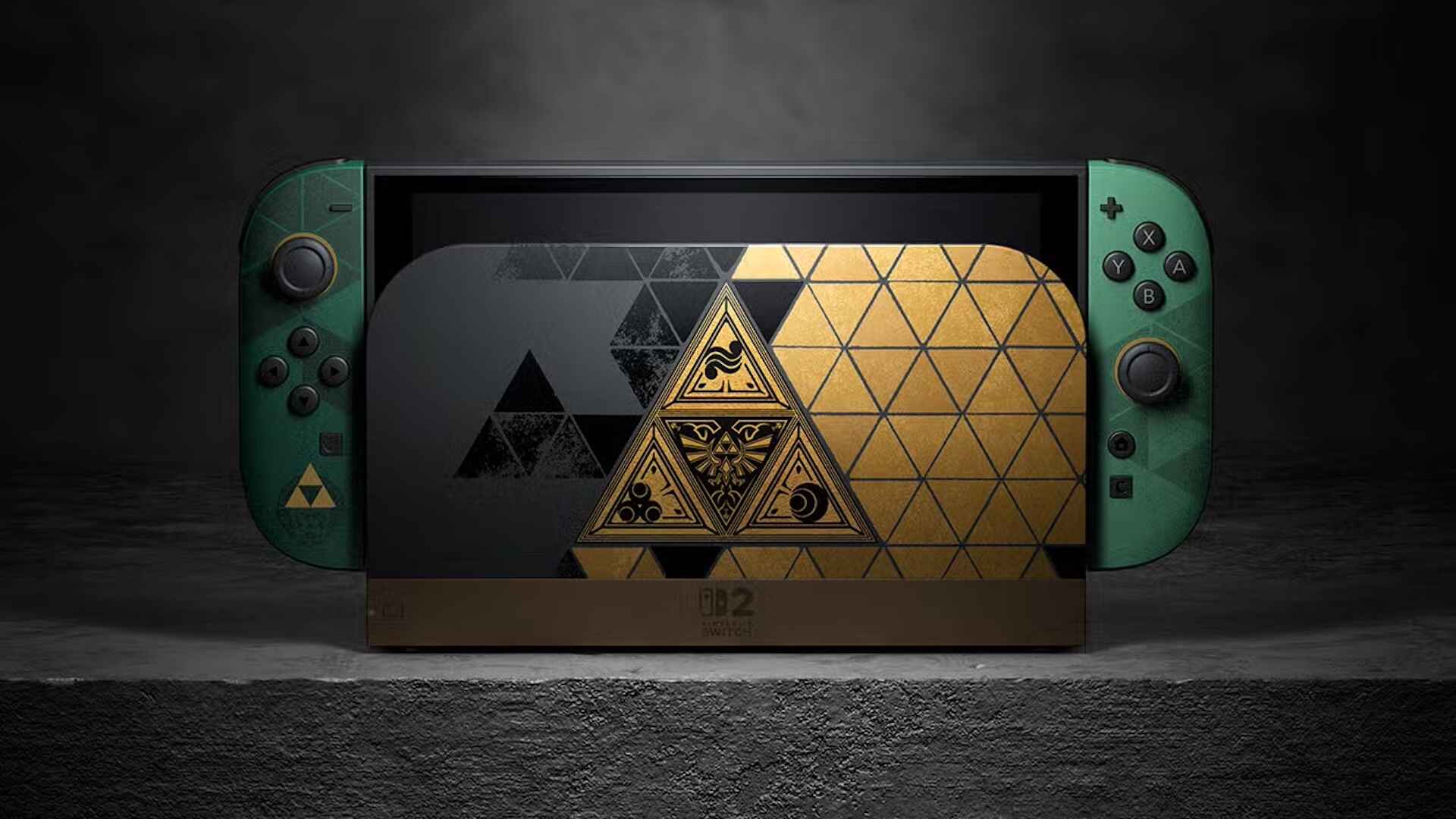
The Legend of Zelda: Ocarina of Time 3D – Nintendo’s Iconic Classic Reborn on the Nintendo 3DS
The power of nostalgia remains a driving force in the gaming community, and Nintendo is no stranger to harnessing this sentiment with carefully crafted re-releases of beloved classics.
As the gaming industry introduces new and innovative experiences, a simultaneous desire to revisit and celebrate iconic titles from the past has emerged.
With publishers like Microsoft, Sony, Square Enix, Ubisoft, and Konami investing in HD remasters of their cherished series, Nintendo too has revitalized one of its most celebrated video games: The Legend of Zelda: Ocarina of Time.
Originally launched for the Nintendo 64 in 1998, The Legend of Zelda: Ocarina of Time set a new standard for 3D action-adventure games.
Players follow the journey of Link, a courageous young hero, on an epic quest to save the mythical land of Hyrule from the sinister ambitions of Ganondorf, the Gerudo King of Thieves.
With his sights set on conquering both the Royal Family and the forces of time itself, Ganondorf becomes a formidable adversary.
Link’s adventure spans both past and future, navigating the trials of childhood and adulthood in pursuit of his destiny as the Hero of Time.
Nintendo’s decision to bring this timeless adventure to the Nintendo 3DS, aptly titled The Legend of Zelda: Ocarina of Time 3D, celebrated the franchise’s anniversary, paying homage to a series that first enchanted fans in 1986.
The remake, developed by Grezzo in partnership with Nintendo, offers new generations and returning players an elevated experience through numerous enhancements.
Ocarina of Time 3D divides its narrative into two distinct acts: Link’s innocently bold childhood and his adult years after awakening from the Sacred Realm to face Ganondorf’s wrath.
The game’s cast, including the exuberant Darunia of the Gorons and the spirited Princess Ruto of the Zora, contributes to the rich diversity of character interactions that have become a hallmark of the Zelda series.
The most striking upgrade is the game’s visual overhaul.
Thanks to the Nintendo 3DS hardware, Hyrule is rendered with vibrant colors and improved detail, delivering an immersive world that outshines its Nintendo 64 predecessor.
The built-in glasses-free stereoscopic 3D of the Nintendo 3DS allows players to experience the adventure in a bold, new perspective, with effects such as the shimmering Fire, Ice, and Light Arrows showcasing the hardware’s potential.
Enhanced frame rates and fluid combat make exploration and battles smoother and more engaging than ever before.
Modernizing the player interface, Ocarina of Time 3D leverages the touchscreen of the Nintendo 3DS to declutter the main screen and offer quick access to hearts, magic, rupees, and inventory items.
Players can seamlessly assign items to multiple buttons, improving the pace of gameplay.
A key addition is the integration of motion controls: aiming slingshots, bows, and projectiles utilizes the console’s gyro sensor, allowing for precise targeting by simply moving the handheld.
Musically, the remastered soundtrack—tailored to the capabilities of the Nintendo 3DS—retains the timeless charm that fans expect.
Classic ocarina melodies are crisper, and the inclusion of selected orchestrated tracks further elevates the audio experience.
To assist new and returning players, the remake introduces the ‘Visions’ system, where cryptic hints accessible via Sheikah Stones or the touchscreen provide guidance for solving tricky puzzles and defeating bosses.
Longtime companion Navi remains a lively guide, and periodic reminders encourage users to take breaks during extended sessions.
Upon completing the main quest, players unlock the challenging Master Quest mode, featuring mirrored dungeons, new puzzles, and altered layouts.
Additionally, the Boss Challenge mode provides opportunities to relive and improve upon epic boss battles previously conquered during the journey, adding replay value to the experience.
The Legend of Zelda: Ocarina of Time 3D firmly establishes itself as a benchmark for remakes, maintaining the magic and essence of the original while updating gameplay and presentation for a modern handheld.
This release quickly became a must-have for Nintendo 3DS owners, standing as both an invitation to new players and a celebration for lifelong fans to once again traverse the storied lands of Hyrule.
The power of nostalgia remains a driving force in the gaming community, and Nintendo is no stranger to harnessing this sentiment with carefully crafted re-releases of beloved classics.
As the gaming industry introduces new and innovative experiences, a simultaneous desire to revisit and celebrate iconic titles from the past has emerged.
With publishers like Microsoft, Sony, Square Enix, Ubisoft, and Konami investing in HD remasters of their cherished series, Nintendo too has revitalized one of its most celebrated video games: The Legend of Zelda: Ocarina of Time.
Originally launched for the Nintendo 64 in 1998, The Legend of Zelda: Ocarina of Time set a new standard for 3D action-adventure games.
Players follow the journey of Link, a courageous young hero, on an epic quest to save the mythical land of Hyrule from the sinister ambitions of Ganondorf, the Gerudo King of Thieves.
With his sights set on conquering both the Royal Family and the forces of time itself, Ganondorf becomes a formidable adversary.
Link’s adventure spans both past and future, navigating the trials of childhood and adulthood in pursuit of his destiny as the Hero of Time.
Nintendo’s decision to bring this timeless adventure to the Nintendo 3DS, aptly titled The Legend of Zelda: Ocarina of Time 3D, celebrated the franchise’s anniversary, paying homage to a series that first enchanted fans in 1986.
The remake, developed by Grezzo in partnership with Nintendo, offers new generations and returning players an elevated experience through numerous enhancements.
Ocarina of Time 3D divides its narrative into two distinct acts: Link’s innocently bold childhood and his adult years after awakening from the Sacred Realm to face Ganondorf’s wrath.
The game’s cast, including the exuberant Darunia of the Gorons and the spirited Princess Ruto of the Zora, contributes to the rich diversity of character interactions that have become a hallmark of the Zelda series.
The most striking upgrade is the game’s visual overhaul.
Thanks to the Nintendo 3DS hardware, Hyrule is rendered with vibrant colors and improved detail, delivering an immersive world that outshines its Nintendo 64 predecessor.
The built-in glasses-free stereoscopic 3D of the Nintendo 3DS allows players to experience the adventure in a bold, new perspective, with effects such as the shimmering Fire, Ice, and Light Arrows showcasing the hardware’s potential.
Enhanced frame rates and fluid combat make exploration and battles smoother and more engaging than ever before.
Modernizing the player interface, Ocarina of Time 3D leverages the touchscreen of the Nintendo 3DS to declutter the main screen and offer quick access to hearts, magic, rupees, and inventory items.
Players can seamlessly assign items to multiple buttons, improving the pace of gameplay.
A key addition is the integration of motion controls: aiming slingshots, bows, and projectiles utilizes the console’s gyro sensor, allowing for precise targeting by simply moving the handheld.
Musically, the remastered soundtrack—tailored to the capabilities of the Nintendo 3DS—retains the timeless charm that fans expect.
Classic ocarina melodies are crisper, and the inclusion of selected orchestrated tracks further elevates the audio experience.
To assist new and returning players, the remake introduces the ‘Visions’ system, where cryptic hints accessible via Sheikah Stones or the touchscreen provide guidance for solving tricky puzzles and defeating bosses.
Longtime companion Navi remains a lively guide, and periodic reminders encourage users to take breaks during extended sessions.
Upon completing the main quest, players unlock the challenging Master Quest mode, featuring mirrored dungeons, new puzzles, and altered layouts.
Additionally, the Boss Challenge mode provides opportunities to relive and improve upon epic boss battles previously conquered during the journey, adding replay value to the experience.
The Legend of Zelda: Ocarina of Time 3D firmly establishes itself as a benchmark for remakes, maintaining the magic and essence of the original while updating gameplay and presentation for a modern handheld.
This release quickly became a must-have for Nintendo 3DS owners, standing as both an invitation to new players and a celebration for lifelong fans to once again traverse the storied lands of Hyrule.