For well over a decade, the Trails series has been a defining force in the JRPG landscape, offering intricate worldbuilding and sprawling narratives that challenge and reward dedicated fans.
With The Legend of Heroes: Trails Beyond the Horizon, Nihon Falcom and publisher NIS America propel the saga to new heights on the Nintendo Switch 2, delivering an experience that stands as both a milestone and a celebration for longtime followers of the series.
Released for Nintendo Switch 2—alongside PlayStation and other major platforms—Trails Beyond the Horizon is the thirteenth installment in the celebrated Trails franchise and marks the third entry in the Calvard arc.
The series has built a loyal international audience since its early titles, with Western releases like Trails of Cold Steel laying the groundwork for its current prominence.
Reflecting on the franchise's growth, veteran players will recall periods of significant localization delays, occasionally waiting years for the latest chapter to reach the West.
With Trails Beyond the Horizon, those days are firmly in the past, symbolizing not just the narrative culmination of the Calvard arc but also a synchronization of global fandom.
As one seasoned commentator observed, playing these games over so many years has created an unparalleled bond with the world of Zemuria—a testament to Falcom’s ability to sustain immersion across generations.
At its core, Trails Beyond the Horizon is designed for established fans, weaving together plot threads and character arcs from previous entries.
The game resumes months after its predecessor, Daybreak II, with President Gramheart's announcement of the first manned rocket launch into space igniting new tensions across Calvard.
Anxiety and mystery pervade each region as every major faction maneuvers for influence, with three intertwining investigations taking place in the days before the historic event.
Players experience the story through three distinct routes, spotlighting Van Arkride—protagonist of the Daybreak games—Rean Schwarzer from the Cold Steel arc, and Father Kevin Graham, a key figure in Trails in the Sky.
Each route brings in familiar faces: Rean is accompanied by Crow and Altina, while Kevin reunites with characters from Reverie.
According to players, roughly 60% of gameplay centers on Van's team, with the remainder divided between Rean's and Kevin's storylines, ensuring each legacy character has space to shine without overshadowing the central narrative.
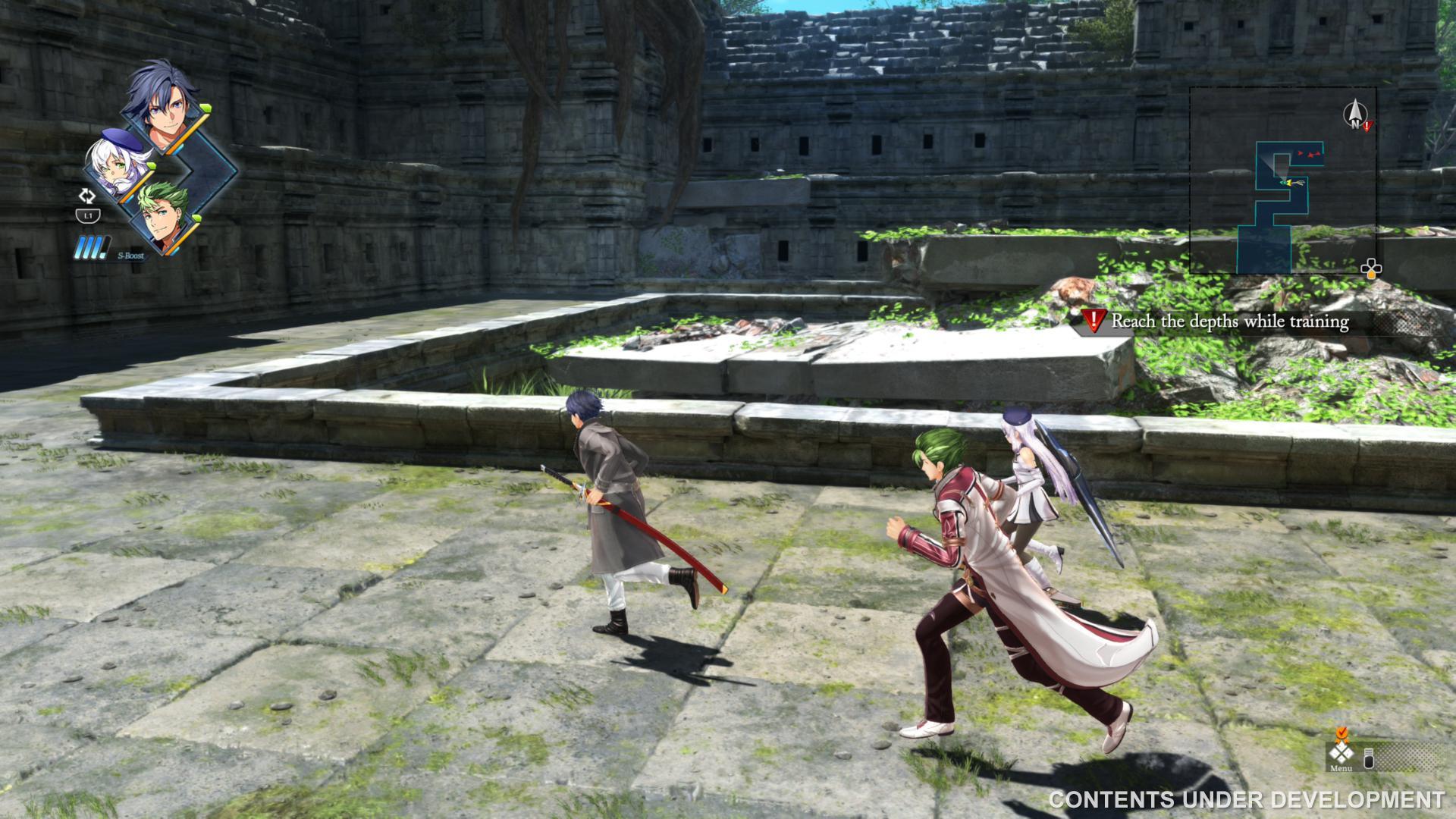
Gameplay-wise, Trails Beyond the Horizon achieves a remarkable balance between innovation and tradition.
The game retains the flexible route system of Daybreak II, but with tighter narrative cohesion and a renewed focus on the core gameplay loop—exploring the world, undertaking side quests, and managing party development.
New features, such as the in-game food blog and expanded connection events, add humor and humanity to the cast, while inventive dungeon designs breathe fresh life into exploration and combat.
Combat receives a significant overhaul.
Every returning character benefits from refined abilities and improved animations.
Notable additions include the ZOC system, enabling players to halt time and gain tactical advantages, and S-Boosts, which introduce deeper strategy to boss encounters.
Brave Orders return, now countered by enemy factions for an engaging tug-of-war over resources.
These systems culminate in a mid-series leap that makes action combat truly viable and satisfying, especially on the high-performance Nintendo Switch 2 hardware.
Technical execution is impressive.
NIS America has ensured that Trails Beyond the Horizon is a showcase for the Switch 2, marrying smooth performance with graphical enhancements previously unseen in Falcom’s catalog.
Variable frame rates up to 120fps and improved cutscene direction elevate the narrative.
As one reviewer notes, the Switch 2 port stands alongside its PlayStation counterpart, providing a seamless experience that underlines the developer’s growing mastery of multiplatform releases.
Narratively, Beyond the Horizon serves as both a prelude and escalation point, expertly building tension and delivering powerful reveals that reframe the very foundations of Zemuria’s lore.
However, the expanded cast occasionally leads to dialogue-heavy scenes that can affect pacing, a recurring trait in Falcom's writing.
Despite this, the emotional payoffs, especially during the game’s bold finale, push the story to new dramatic heights.
The Legend of Heroes: Trails Beyond the Horizon is an essential chapter for fans, blending mechanical innovation, narrative ambition, and technical prowess.
While its length and dense writing may challenge newcomers, it rewards longstanding players with a rich, interconnected experience that leaves the future of the series more tantalizing than ever.
For those ready to embark from the eShop or at Nintendo Direct launch, this epic saga is a triumph on Nintendo Switch 2—and a fitting reward for years of devotion.
Score: 8/10
With The Legend of Heroes: Trails Beyond the Horizon, Nihon Falcom and publisher NIS America propel the saga to new heights on the Nintendo Switch 2, delivering an experience that stands as both a milestone and a celebration for longtime followers of the series.
Released for Nintendo Switch 2—alongside PlayStation and other major platforms—Trails Beyond the Horizon is the thirteenth installment in the celebrated Trails franchise and marks the third entry in the Calvard arc.
The series has built a loyal international audience since its early titles, with Western releases like Trails of Cold Steel laying the groundwork for its current prominence.
Reflecting on the franchise's growth, veteran players will recall periods of significant localization delays, occasionally waiting years for the latest chapter to reach the West.
With Trails Beyond the Horizon, those days are firmly in the past, symbolizing not just the narrative culmination of the Calvard arc but also a synchronization of global fandom.
As one seasoned commentator observed, playing these games over so many years has created an unparalleled bond with the world of Zemuria—a testament to Falcom’s ability to sustain immersion across generations.
At its core, Trails Beyond the Horizon is designed for established fans, weaving together plot threads and character arcs from previous entries.
The game resumes months after its predecessor, Daybreak II, with President Gramheart's announcement of the first manned rocket launch into space igniting new tensions across Calvard.
Anxiety and mystery pervade each region as every major faction maneuvers for influence, with three intertwining investigations taking place in the days before the historic event.
Players experience the story through three distinct routes, spotlighting Van Arkride—protagonist of the Daybreak games—Rean Schwarzer from the Cold Steel arc, and Father Kevin Graham, a key figure in Trails in the Sky.
Each route brings in familiar faces: Rean is accompanied by Crow and Altina, while Kevin reunites with characters from Reverie.
According to players, roughly 60% of gameplay centers on Van's team, with the remainder divided between Rean's and Kevin's storylines, ensuring each legacy character has space to shine without overshadowing the central narrative.
Gameplay-wise, Trails Beyond the Horizon achieves a remarkable balance between innovation and tradition.
The game retains the flexible route system of Daybreak II, but with tighter narrative cohesion and a renewed focus on the core gameplay loop—exploring the world, undertaking side quests, and managing party development.
New features, such as the in-game food blog and expanded connection events, add humor and humanity to the cast, while inventive dungeon designs breathe fresh life into exploration and combat.
Combat receives a significant overhaul.
Every returning character benefits from refined abilities and improved animations.
Notable additions include the ZOC system, enabling players to halt time and gain tactical advantages, and S-Boosts, which introduce deeper strategy to boss encounters.
Brave Orders return, now countered by enemy factions for an engaging tug-of-war over resources.
These systems culminate in a mid-series leap that makes action combat truly viable and satisfying, especially on the high-performance Nintendo Switch 2 hardware.
Technical execution is impressive.
NIS America has ensured that Trails Beyond the Horizon is a showcase for the Switch 2, marrying smooth performance with graphical enhancements previously unseen in Falcom’s catalog.
Variable frame rates up to 120fps and improved cutscene direction elevate the narrative.
As one reviewer notes, the Switch 2 port stands alongside its PlayStation counterpart, providing a seamless experience that underlines the developer’s growing mastery of multiplatform releases.
Narratively, Beyond the Horizon serves as both a prelude and escalation point, expertly building tension and delivering powerful reveals that reframe the very foundations of Zemuria’s lore.
However, the expanded cast occasionally leads to dialogue-heavy scenes that can affect pacing, a recurring trait in Falcom's writing.
Despite this, the emotional payoffs, especially during the game’s bold finale, push the story to new dramatic heights.
The Legend of Heroes: Trails Beyond the Horizon is an essential chapter for fans, blending mechanical innovation, narrative ambition, and technical prowess.
While its length and dense writing may challenge newcomers, it rewards longstanding players with a rich, interconnected experience that leaves the future of the series more tantalizing than ever.
For those ready to embark from the eShop or at Nintendo Direct launch, this epic saga is a triumph on Nintendo Switch 2—and a fitting reward for years of devotion.
Score: 8/10