



Intro
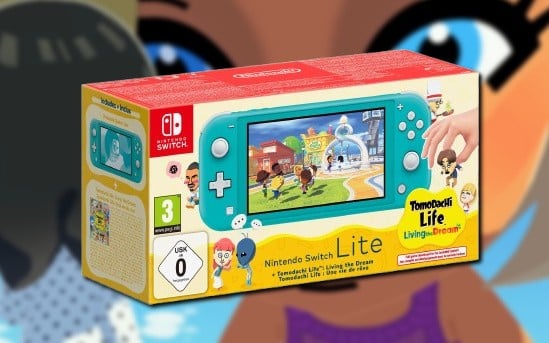
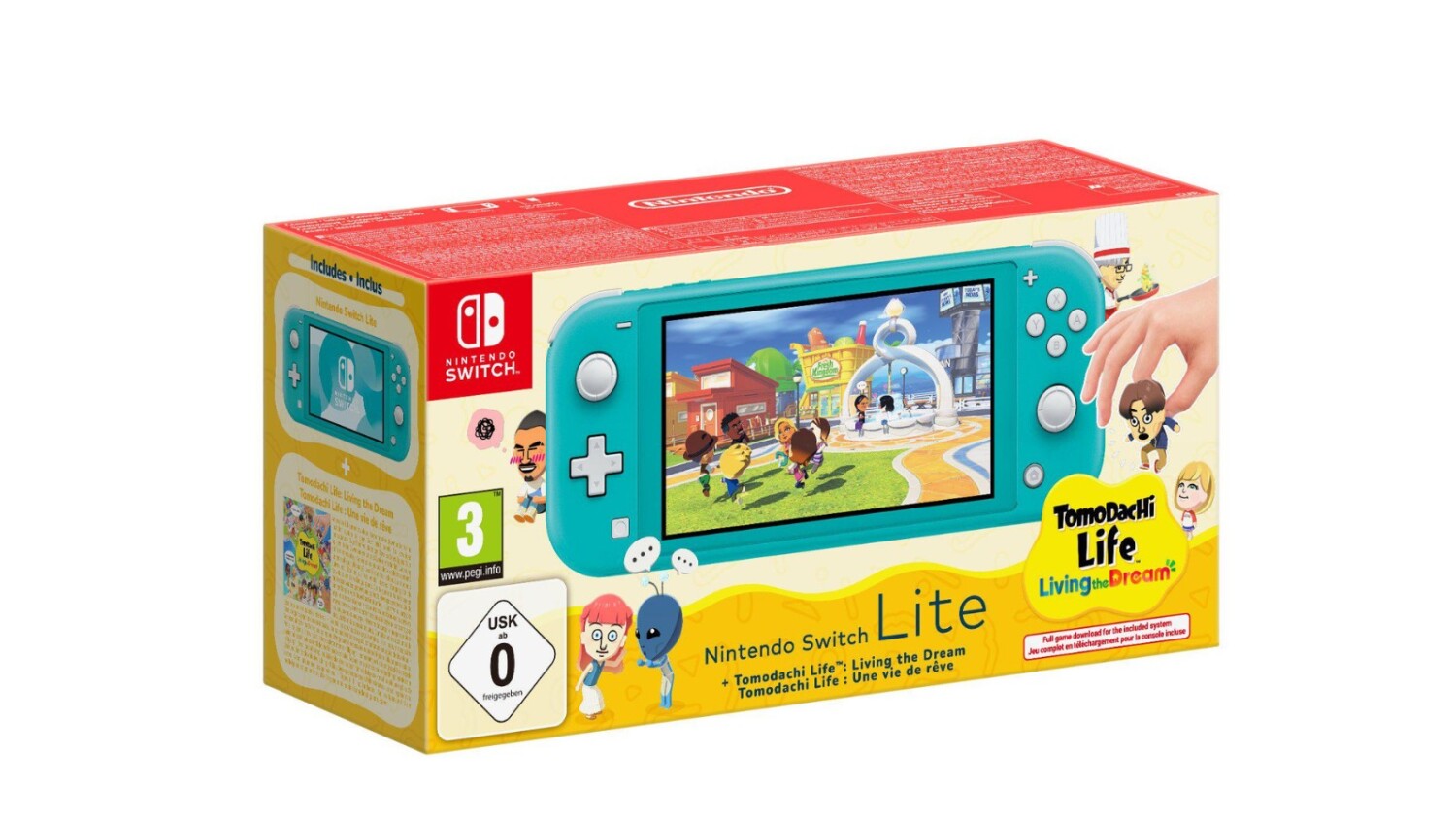
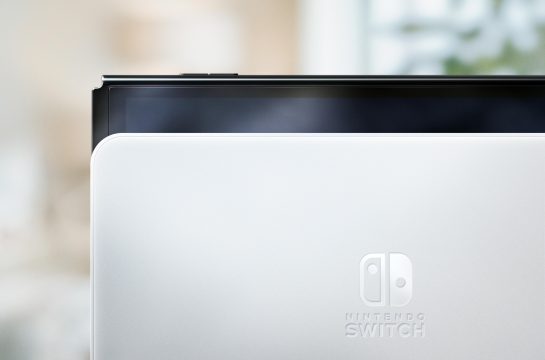
The Nintendo Switch family—launched with the original Nintendo Switch on March 3, 2017, followed by Nintendo Switch Lite on September 20, 2019, and the Nintendo Switch OLED on October 8, 2021—relies heavily on removable storage for downloadable games and updates.
For players managing large digital libraries, choosing the right microSD card and adopting storage-saving strategies are essential.
This guide explains current pricing trends, recommends reliable brands and capacities, and lists large Switch titles you may prefer to buy physically to save space.
Why microSD prices matter now
MicroSD prices have risen in recent months, affecting how players budget for downloadable libraries.
Industry observers have pointed to elevated demand for NAND flash by large-scale data operations as a contributing factor to higher consumer prices for high-capacity cards.
Rewritten statement (journalistic): "Analysts note that more constrained supply and heavier demand for high-capacity flash memory have pushed retail prices for large microSD cards higher, making mid-range capacities a more cost-effective choice for most Switch owners."
Recommended cards and buying tips
When buying removable storage for any Switch model, prioritize established brands to avoid performance and reliability issues.
Producers with strong track records include SanDisk, Samsung, and Lexar.
For many players, a 512 GB microSD from Samsung strikes the best balance of price, capacity, and speed for standard Nintendo Switch, Switch Lite, and Switch OLED use.
Avoid unidentified off-brand cards and confirm UHS speed classes where possible to ensure consistent loading and save performance.
Price context and capacity
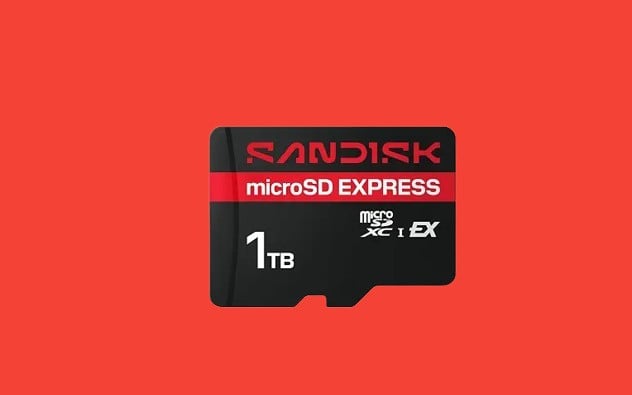
High-capacity microSD cards (1 TB and higher) carry a premium.
For players who prefer digital libraries but want to limit cost, mid-range sizes such as 256 GB or 512 GB often provide ample space; many Switch titles remain under 10 GB each.
Storage-saving strategy: mix physical and digital
A practical approach is to split a collection between physical cartridges for the largest games and digital purchases for smaller titles.
Large Nintendo Switch downloads to consider buying physically include:
- The Legend of Zelda: Breath of the Wild (14.4 GB)
- The Legend of Zelda: Tears of the Kingdom (18.2 GB)
- Xenoblade Chronicles: Definitive Edition (13.7 GB)
- Xenoblade Chronicles 2 (13.2 GB)
- Xenoblade Chronicles 3 (14.4 GB)
Note: Games marked in many storefronts include optional DLC that may require additional downloads even with a physical cartridge; owning the cart can still save significant base storage.
Final notes
Nintendo Switch's internal storage is limited, so most owners will benefit from an external microSD.
Stick to reputable brands, consider 512 GB as a strong middle ground, and use physical cartridges for the largest titles when possible.
For updates and deals, watch Nintendo Direct announcements and the Nintendo eShop for promotions and system-specific guidance.
The Nintendo Switch family—launched with the original Nintendo Switch on March 3, 2017, followed by Nintendo Switch Lite on September 20, 2019, and the Nintendo Switch OLED on October 8, 2021—relies heavily on removable storage for downloadable games and updates.
For players managing large digital libraries, choosing the right microSD card and adopting storage-saving strategies are essential.
This guide explains current pricing trends, recommends reliable brands and capacities, and lists large Switch titles you may prefer to buy physically to save space.
Why microSD prices matter now
MicroSD prices have risen in recent months, affecting how players budget for downloadable libraries.
Industry observers have pointed to elevated demand for NAND flash by large-scale data operations as a contributing factor to higher consumer prices for high-capacity cards.
Rewritten statement (journalistic): "Analysts note that more constrained supply and heavier demand for high-capacity flash memory have pushed retail prices for large microSD cards higher, making mid-range capacities a more cost-effective choice for most Switch owners."
Recommended cards and buying tips
When buying removable storage for any Switch model, prioritize established brands to avoid performance and reliability issues.
Producers with strong track records include SanDisk, Samsung, and Lexar.
For many players, a 512 GB microSD from Samsung strikes the best balance of price, capacity, and speed for standard Nintendo Switch, Switch Lite, and Switch OLED use.
Avoid unidentified off-brand cards and confirm UHS speed classes where possible to ensure consistent loading and save performance.
Price context and capacity
High-capacity microSD cards (1 TB and higher) carry a premium.
For players who prefer digital libraries but want to limit cost, mid-range sizes such as 256 GB or 512 GB often provide ample space; many Switch titles remain under 10 GB each.
Storage-saving strategy: mix physical and digital
A practical approach is to split a collection between physical cartridges for the largest games and digital purchases for smaller titles.
Large Nintendo Switch downloads to consider buying physically include:
- The Legend of Zelda: Breath of the Wild (14.4 GB)
- The Legend of Zelda: Tears of the Kingdom (18.2 GB)
- Xenoblade Chronicles: Definitive Edition (13.7 GB)
- Xenoblade Chronicles 2 (13.2 GB)
- Xenoblade Chronicles 3 (14.4 GB)
Note: Games marked in many storefronts include optional DLC that may require additional downloads even with a physical cartridge; owning the cart can still save significant base storage.
Final notes
Nintendo Switch's internal storage is limited, so most owners will benefit from an external microSD.
Stick to reputable brands, consider 512 GB as a strong middle ground, and use physical cartridges for the largest titles when possible.
For updates and deals, watch Nintendo Direct announcements and the Nintendo eShop for promotions and system-specific guidance.