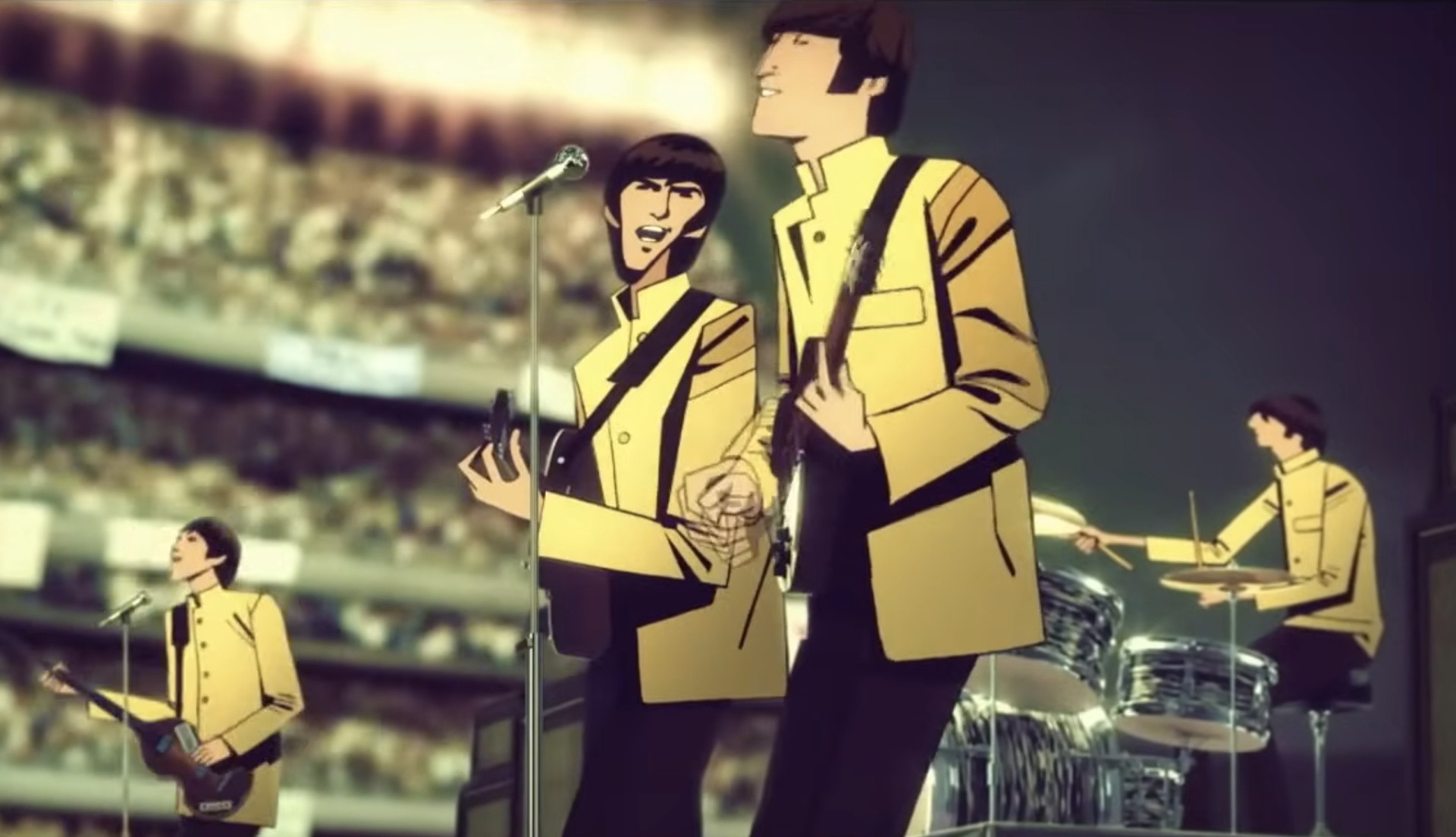
When The Beatles: Rock Band launched in 2009, it was seen as a milestone moment for both music gaming and popular culture.
Developed by Harmonix and published by MTV Games alongside Electronic Arts, the title marked the first time that the legendary British band endorsed their own official video game.
The result was a blend of innovative gameplay and a heartfelt tribute to The Beatles' legacy, offering fans a journey through the group’s iconic music and storied career.
Released on platforms including the Nintendo Wii, PlayStation 3, and Xbox 360, The Beatles: Rock Band received critical acclaim and quickly became a must-have music game, contributing to the genre’s golden age in the late 2000s.
Behind this celebrated release lies an untold chapter now brought to light by journalist Blake Hester in his new book, 'The Oral History of Guitar Hero, Rock Band and the Music Game Boom.' An excerpt published on the Oral History website Design Room reveals that before Harmonix acquired the coveted rights, rival studio Neversoft—best known for the Guitar Hero franchise—also pitched its own vision for a Beatles video game.
Neversoft’s effort included a custom venue inspired by 'Yellow Submarine,' a note track, and a video demonstration intended to win over Beatles' representatives.
Alan Flores, a former Neversoft designer, reflects on the studio’s ambitious attempt.
According to Flores, the team believed landing The Beatles license would be "the big crown jewel" of music games, with expectations of enormous commercial success.
They invested significant effort and creativity into their pitch, convinced their presentation would impress The Beatles and establish a new genre benchmark.
Flores notes, "We went all in on our pitch for The Beatles—building a complete demo, a Yellow Submarine venue, and a polished video.
We were confident it stood a real chance."
However, the licensing costs involved were far higher than expected.
Flores recounts discussions with Hester, explaining that the financial requirements for the project—including upfront fees, royalties, and additional expenses—would have required the game to perform exceptionally well to be commercially viable.
"The price for the license was massive," Flores said.
"The game would have needed to sell extraordinarily well to cover those costs, which was a major barrier."
Despite Neversoft’s valiant pitch, Harmonix ultimately secured The Beatles deal, with some staff suggesting Harmonix’s financial backing and willingness to meet the licensing demands were decisive factors.
Greg LoPiccolo, a key figure at Harmonix, told Hester he was unaware of Neversoft’s competitive pitch at the time, indicating that any reaction on their side was likely less dramatic than Neversoft’s recollections suggest.
The Beatles: Rock Band went on to launch on September 9, 2009, with critical and commercial success, though not necessarily the monumental sales that might have justified the immense licensing fees initially discussed.
Blake Hester’s new book, which explores these and other behind-the-scenes stories from the music game era, is available now through Read Only Memory at £45.
This deeper look at the story behind The Beatles: Rock Band highlights the competitive landscape among music game developers during a landmark era on platforms like Nintendo Wii and the broader legacy of video games that celebrate the world’s most influential artists.
Developed by Harmonix and published by MTV Games alongside Electronic Arts, the title marked the first time that the legendary British band endorsed their own official video game.
The result was a blend of innovative gameplay and a heartfelt tribute to The Beatles' legacy, offering fans a journey through the group’s iconic music and storied career.
Released on platforms including the Nintendo Wii, PlayStation 3, and Xbox 360, The Beatles: Rock Band received critical acclaim and quickly became a must-have music game, contributing to the genre’s golden age in the late 2000s.
Behind this celebrated release lies an untold chapter now brought to light by journalist Blake Hester in his new book, 'The Oral History of Guitar Hero, Rock Band and the Music Game Boom.' An excerpt published on the Oral History website Design Room reveals that before Harmonix acquired the coveted rights, rival studio Neversoft—best known for the Guitar Hero franchise—also pitched its own vision for a Beatles video game.
Neversoft’s effort included a custom venue inspired by 'Yellow Submarine,' a note track, and a video demonstration intended to win over Beatles' representatives.
Alan Flores, a former Neversoft designer, reflects on the studio’s ambitious attempt.
According to Flores, the team believed landing The Beatles license would be "the big crown jewel" of music games, with expectations of enormous commercial success.
They invested significant effort and creativity into their pitch, convinced their presentation would impress The Beatles and establish a new genre benchmark.
Flores notes, "We went all in on our pitch for The Beatles—building a complete demo, a Yellow Submarine venue, and a polished video.
We were confident it stood a real chance."
However, the licensing costs involved were far higher than expected.
Flores recounts discussions with Hester, explaining that the financial requirements for the project—including upfront fees, royalties, and additional expenses—would have required the game to perform exceptionally well to be commercially viable.
"The price for the license was massive," Flores said.
"The game would have needed to sell extraordinarily well to cover those costs, which was a major barrier."
Despite Neversoft’s valiant pitch, Harmonix ultimately secured The Beatles deal, with some staff suggesting Harmonix’s financial backing and willingness to meet the licensing demands were decisive factors.
Greg LoPiccolo, a key figure at Harmonix, told Hester he was unaware of Neversoft’s competitive pitch at the time, indicating that any reaction on their side was likely less dramatic than Neversoft’s recollections suggest.
The Beatles: Rock Band went on to launch on September 9, 2009, with critical and commercial success, though not necessarily the monumental sales that might have justified the immense licensing fees initially discussed.
Blake Hester’s new book, which explores these and other behind-the-scenes stories from the music game era, is available now through Read Only Memory at £45.
This deeper look at the story behind The Beatles: Rock Band highlights the competitive landscape among music game developers during a landmark era on platforms like Nintendo Wii and the broader legacy of video games that celebrate the world’s most influential artists.