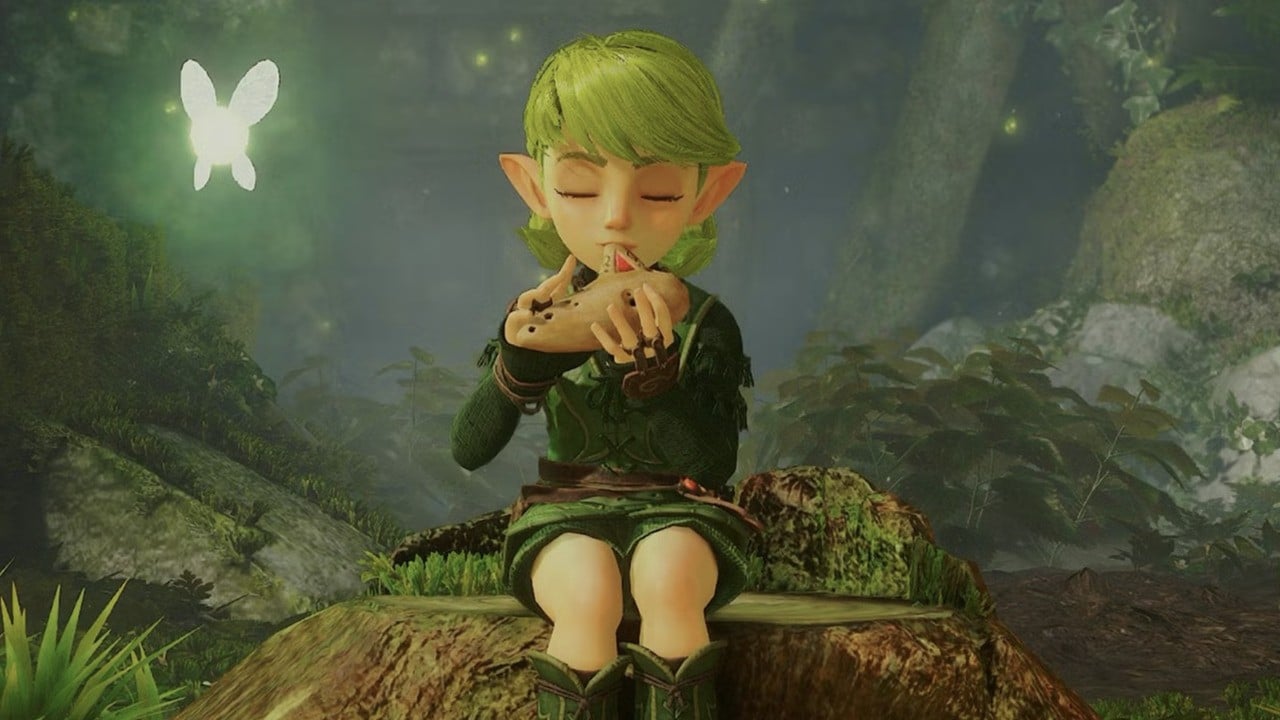
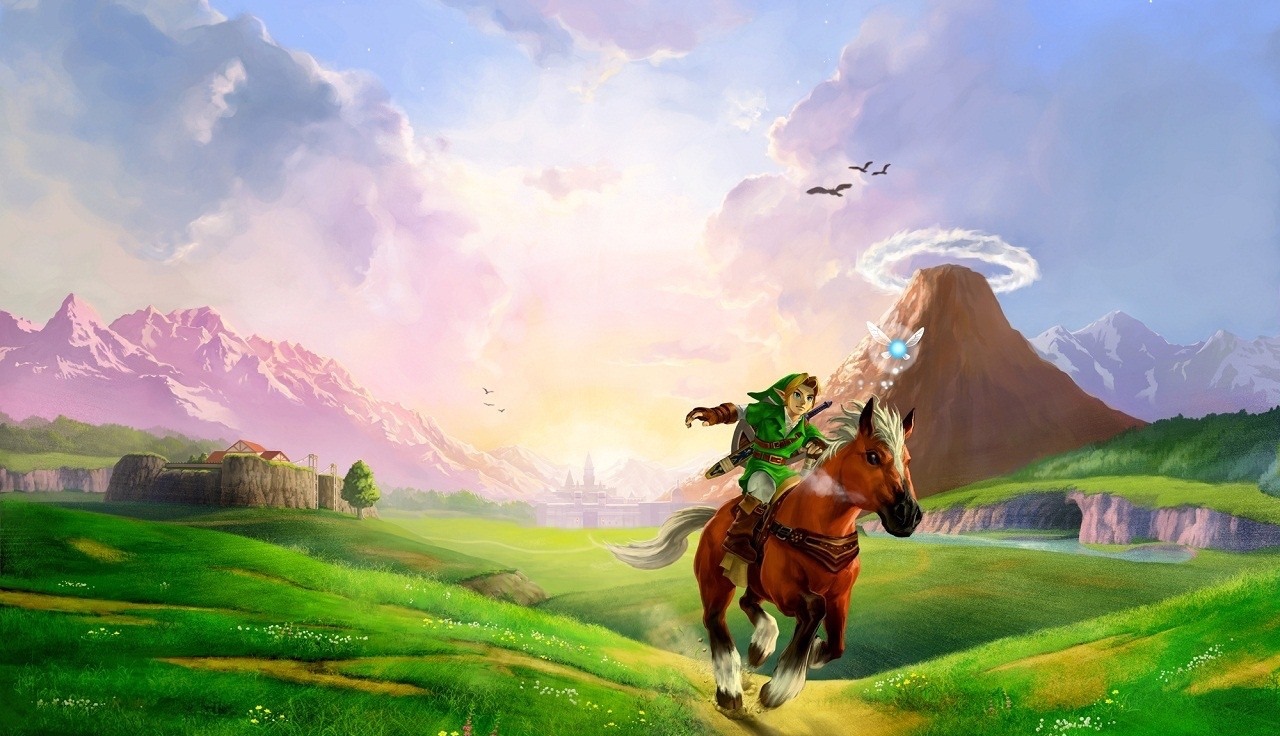
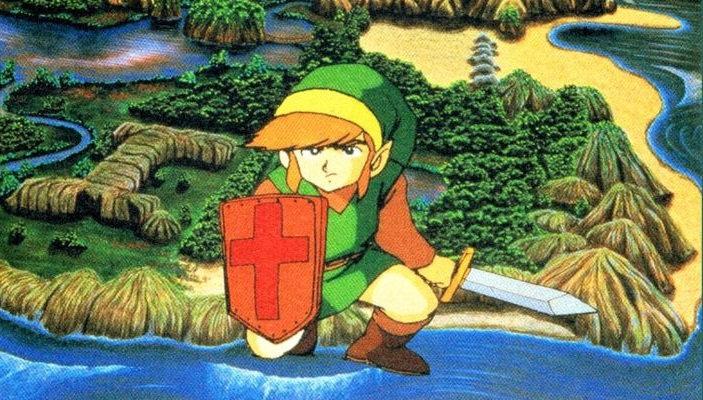
Take-Two Interactive CEO Strauss Zelnick addressed questions about Nintendo's recent release of The Legend of Zelda: Ocarina of Time remake during a GamesBeat interview, framing the relationship between high-profile launches like Nintendo's and the upcoming Grand Theft Auto VI in terms of competing for consumer attention.
The comments arrive as Nintendo's remake has drawn strong critical response—its Metacritic score sits at 96/100—and as Rockstar Games' next major entry remains one of the industry's most anticipated releases.
Zelnick, whose company is the parent of Rockstar Games, praised Nintendo's remake and acknowledged its quality.
In journalistic terms, he said the title is excellent and that Nintendo has legitimate cause for pride in the game's reception.
He framed the competitive landscape broadly: entertainment products vie not only with other games but with all alternative ways people spend time.
Zelnick noted that, unlike essential goods, entertainment is optional and must therefore earn consumer attention through exceptional quality.
Paraphrased, Zelnick’s point was that entertainment competes against “everything”—because consumers can choose many leisure activities—and “nothing”—because if there is no compelling entertainment, people can forego consuming it entirely.
His takeaway: the industry’s responsibility is to create the best possible entertainment so audiences will show up.
For context, The Legend of Zelda originally debuted on the Nintendo 64 in 1998; Nintendo developed and published the recent remake for Nintendo platforms, where the franchise has been a core pillar of the company’s first-party lineup.
Grand Theft Auto VI, developed by Rockstar Games and published by Take-Two Interactive, remains a major upcoming title that industry watchers expect will attract significant attention when it launches.
Zelnick’s comments underscore a common executive perspective on market dynamics: major releases from different publishers can draw from the same pool of consumer attention, but exceptional products tend to succeed regardless of crowded calendars.
With the Zelda remake’s strong critical reception and the sustained anticipation for GTA VI, the exchange highlights how publishers describe competition in a media landscape defined by many entertainment choices.