
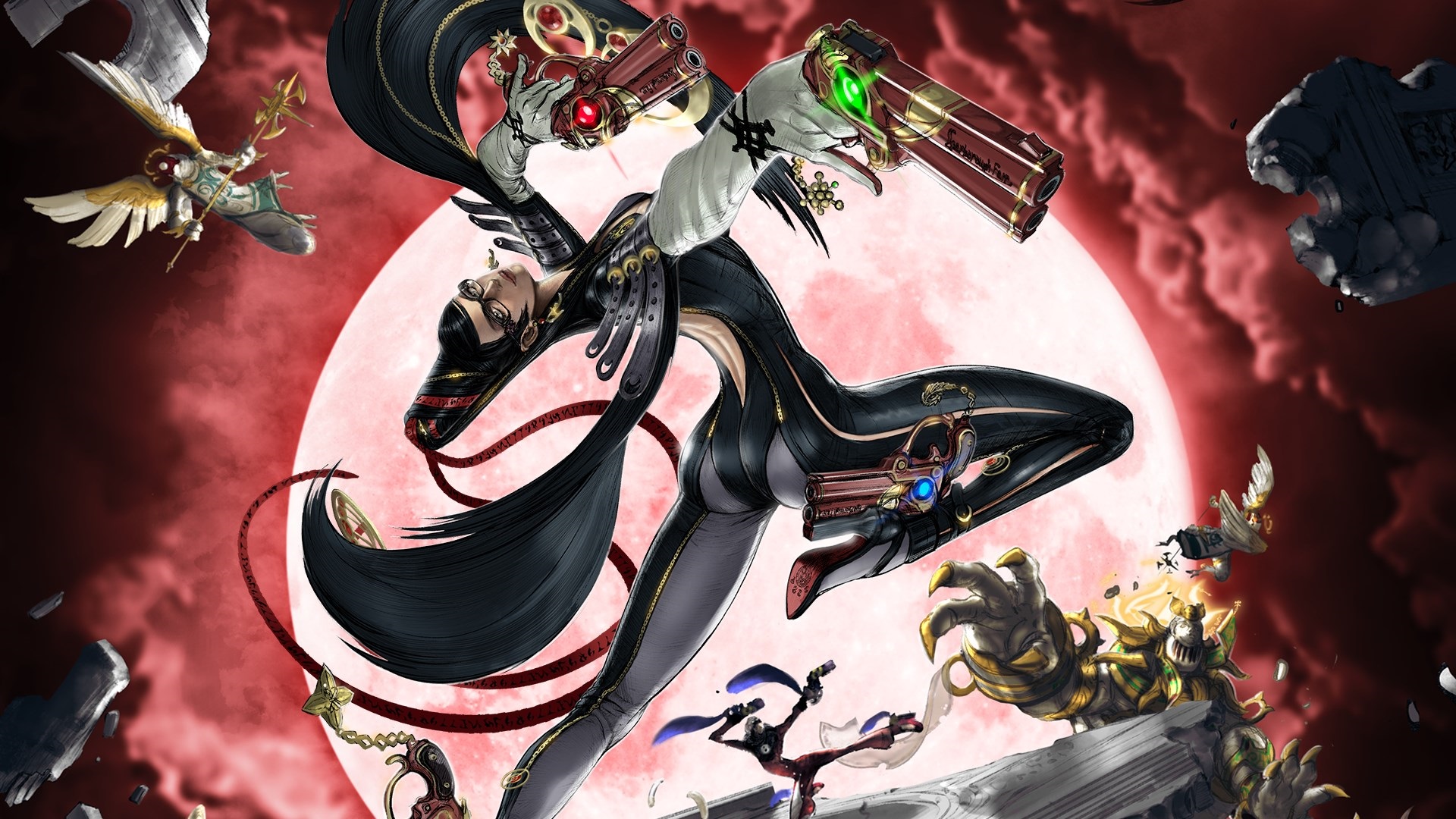
Shift Up's Stellar Blade lands on Nintendo Switch 2 on November 5, 2026, bringing the studio's first console title to Nintendo's next-generation portable home console.
Originally released two years prior on other platforms, the Switch 2 edition preserves the game's core action-adventure DNA while adapting performance and control options for the new hardware.
Narrative and setting
Stellar Blade places players in a far-future Earth devastated by hostile creatures known as the Naytibas.
You control Eve, an elite operative whose mission to reclaim the planet becomes personal after an early mission setback leaves her isolated in the ruined city of Xion.
Along the way Eve allies with survivors Adam and Lily as the game gradually unwraps the events that led to humanity's collapse.
Critics have noted the game’s strongest writing occurs in character interactions and side content, while its main plot stacks many revelations late in the campaign, reducing their emotional impact.
Combat and systems
Combat is the central strength of Stellar Blade.
The system emphasizes methodical, rhythm-based encounters built around dodging, parrying, and exploiting openings.
Attacks are telegraphed and color-coded to indicate the correct defensive response; successful counters create brief stun windows for decisive strikes.
Skills are organized into five categories and encourage specialization rather than overwhelming players with an ever-growing combo list.
Players regain flexibility through configurable skill resets at camps, allowing adjustments for boss encounters and different playstyles.
Exploration and side content
The game mixes linear open areas with light platforming and environmental navigation.
Much of the worldbuilding and character detail is delivered through sidequests in Xion.
While some quests are simple fetch objectives, they provide flavorful NPC interactions that expand Eve’s personality and motivations.
Reviewers argue the main storyline benefits from engaging with this side content rather than rushing straight through the campaign.
Technical performance on Nintendo Switch 2
Shift Up’s Switch 2 port shows uneven technical behavior on launch sequences but stabilizes in enclosed areas.
Review coverage highlights issues with default visual and motion settings: motion blur and camera shake are set high by default and frame generation can introduce input delay, making higher difficulties frustrating unless adjusted.
Reducing base sharpness improves handheld visuals, and disabling certain hair/high-resolution effects mitigates artifacting.
Despite these compromises, the port delivers a reasonably good visual presentation when settings are tuned.
Accessibility and controls
The Switch 2 version is notable for deep control customization.
Shift Up provides individualized control profiles for handheld, dual-grip, and Pro Controller, plus gyroscopic aiming and mouse support.
These options improve accessibility and let players tailor the experience to their preferred input method.
Conclusion
Stellar Blade’s Switch 2 release on November 5, 2026, brings a mechanically rich action-adventure to Nintendo’s new hardware.
While narrative pacing and some default technical settings draw criticism, the core combat, flexible skills, and comprehensive control options make this a strong port for players who take time to adjust settings and explore the game’s side content.