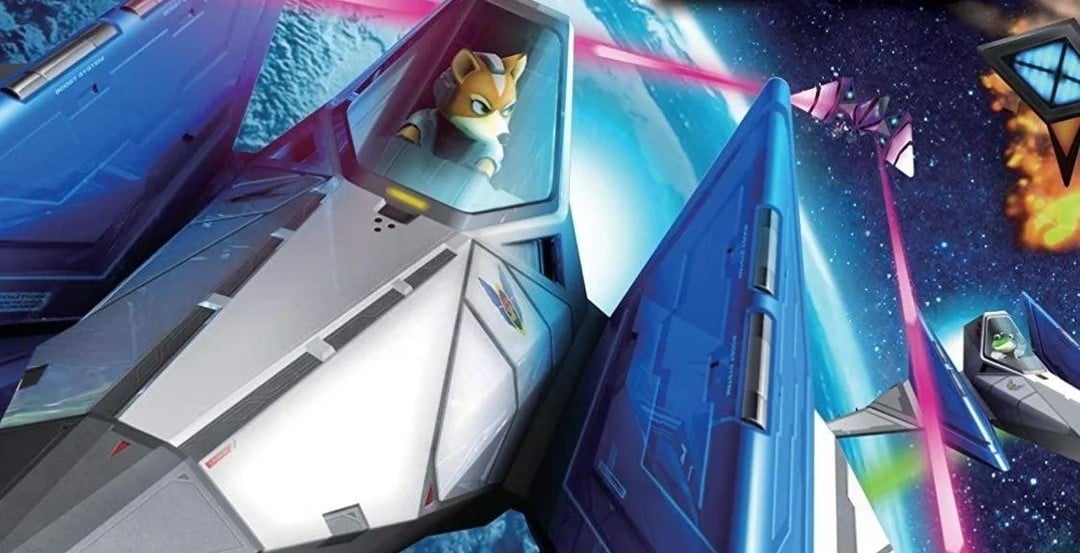
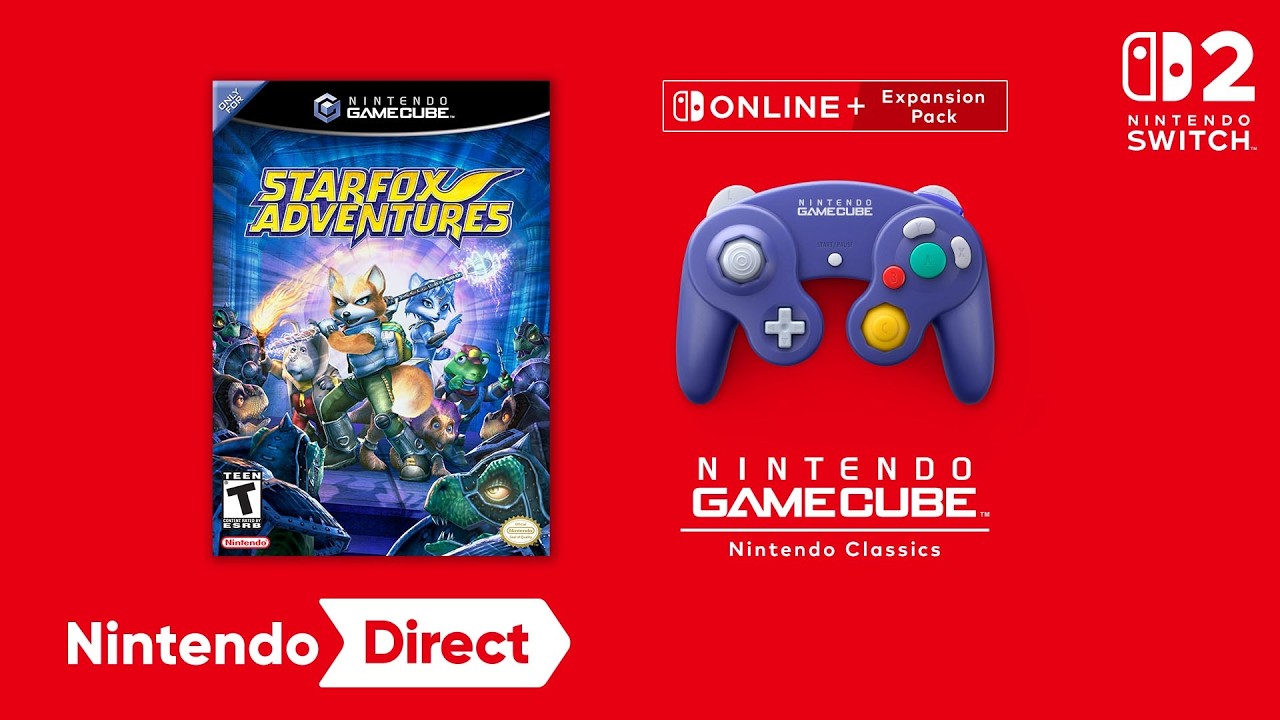
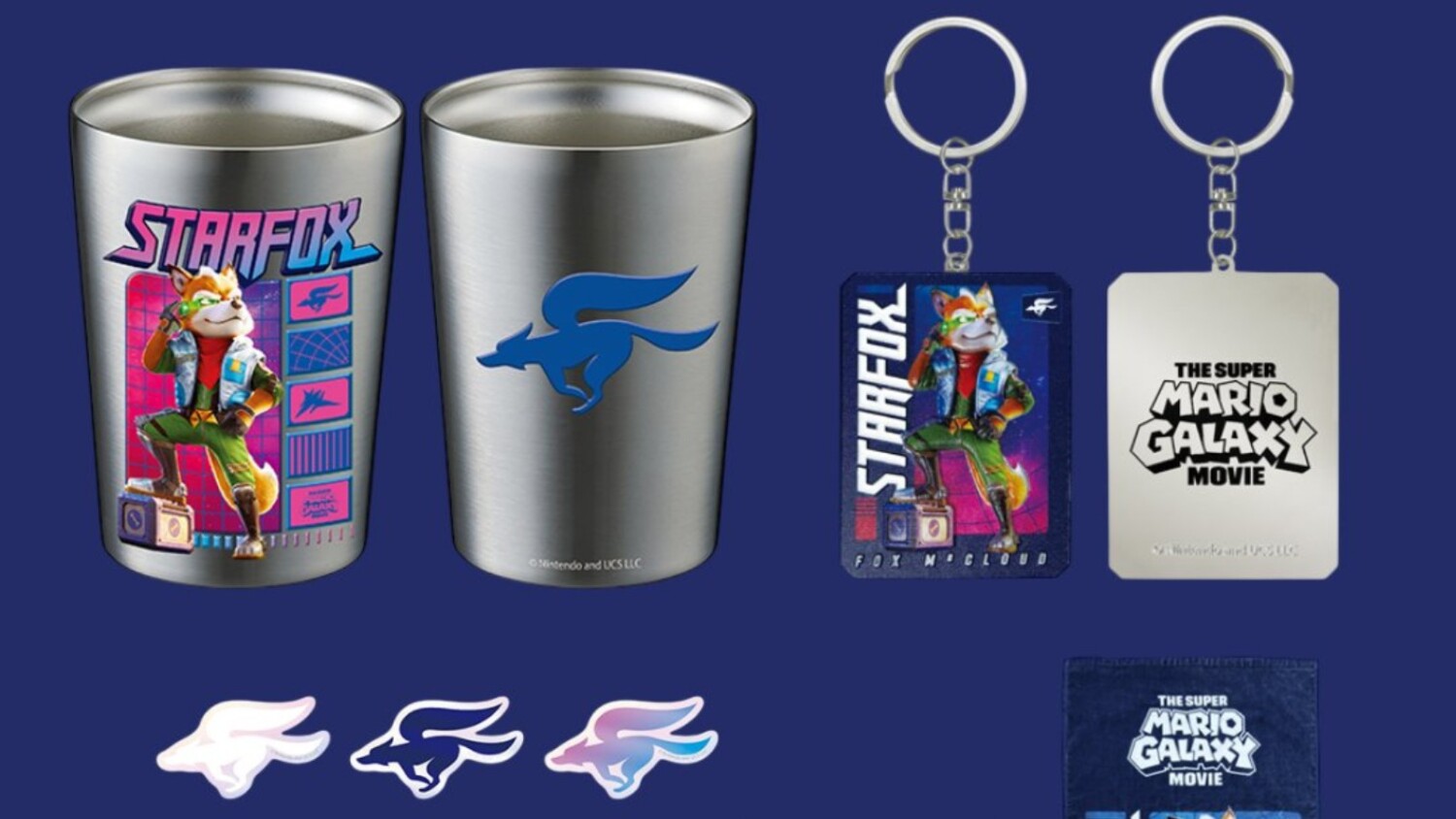
A recent wave of fan commentary has put Star Fox character redesigns back in the spotlight, with particular focus on Falco Lombardi.
The debate follows public reactions to new images and footage shared online, and it highlights ongoing tensions between long-time franchise aesthetics and current design choices from developers and publishers.
One commenter summed up a common view in straightforward terms: they praised the overall visual quality but said they were not fond of the more animalistic direction for some characters, calling out Falco in particular and likening his appearance to avian or Rito-like traits.
They added that earlier character designs had been satisfactory and expressed disappointment that the title was not introduced during a general Nintendo Direct presentation, a missed opportunity in their view to reach a wider audience.
Those reactions sit alongside solid, verifiable context about the Star Fox series and Nintendo’s platforms.
Star Fox was created by Nintendo in collaboration with Argonaut Software; the original title debuted on the Super Nintendo in 1993, with Shigeru Miyamoto serving as a producer on the series.
Falco Lombardi has been a series regular since that 1993 release and remains one of the franchise’s most recognizable characters.
Subsequent landmark entries include Star Fox 64 for Nintendo 64 (1997) and Star Fox Zero for Wii U, which released in April 2016.
Star Fox 2, a completed but previously unreleased sequel, was officially released on the SNES Classic in 2017.
Nintendo’s presentation strategy also factors into community expectations.
Nintendo Direct broadcasts, which began in 2011, are the company’s primary direct-to-consumer showcase for game announcements and updates.
The Nintendo eShop serves as Nintendo’s digital storefront on platforms including the Nintendo Switch, which launched on March 3, 2017.
Character design debates are common with legacy franchises; fans often balance nostalgia against developers’ efforts to modernize aesthetics for new platforms.
As conversations continue across social channels and forums, verified touchpoints—franchise history, platform timelines, and Nintendo’s broadcast channels—help ground the discussion in fact while players and critics assess the creative direction for Star Fox moving forward.
The debate follows public reactions to new images and footage shared online, and it highlights ongoing tensions between long-time franchise aesthetics and current design choices from developers and publishers.
One commenter summed up a common view in straightforward terms: they praised the overall visual quality but said they were not fond of the more animalistic direction for some characters, calling out Falco in particular and likening his appearance to avian or Rito-like traits.
They added that earlier character designs had been satisfactory and expressed disappointment that the title was not introduced during a general Nintendo Direct presentation, a missed opportunity in their view to reach a wider audience.
Those reactions sit alongside solid, verifiable context about the Star Fox series and Nintendo’s platforms.
Star Fox was created by Nintendo in collaboration with Argonaut Software; the original title debuted on the Super Nintendo in 1993, with Shigeru Miyamoto serving as a producer on the series.
Falco Lombardi has been a series regular since that 1993 release and remains one of the franchise’s most recognizable characters.
Subsequent landmark entries include Star Fox 64 for Nintendo 64 (1997) and Star Fox Zero for Wii U, which released in April 2016.
Star Fox 2, a completed but previously unreleased sequel, was officially released on the SNES Classic in 2017.
Nintendo’s presentation strategy also factors into community expectations.
Nintendo Direct broadcasts, which began in 2011, are the company’s primary direct-to-consumer showcase for game announcements and updates.
The Nintendo eShop serves as Nintendo’s digital storefront on platforms including the Nintendo Switch, which launched on March 3, 2017.
Character design debates are common with legacy franchises; fans often balance nostalgia against developers’ efforts to modernize aesthetics for new platforms.
As conversations continue across social channels and forums, verified touchpoints—franchise history, platform timelines, and Nintendo’s broadcast channels—help ground the discussion in fact while players and critics assess the creative direction for Star Fox moving forward.