Splatoon 3 Review: Nintendo Switch’s Vibrant Shooter Returns with Fresh Features and Expansive Content
Nintendo’s Splatoon franchise has carved out a unique niche in the third-person shooter genre since its debut.
First launched on Wii U in May 2015, Splatoon quickly became a standout new IP for Nintendo, reshaping player expectations of shooter mechanics with its unconventional approach.
Despite the platform's limited install base, the original Splatoon achieved remarkable success, moving nearly 5 million units and outperforming other top titles of the era.
The subsequent release of Splatoon 2 on Nintendo Switch in 2017 expanded that momentum even further, reaching 13.3 million sales and introducing millions of new players to the ink-splatting action.
Now, with Splatoon 3 launching globally for Nintendo Switch on September 9, 2022, Nintendo refines the series’ formula, delivering both polished gameplay and a robust suite of new features.
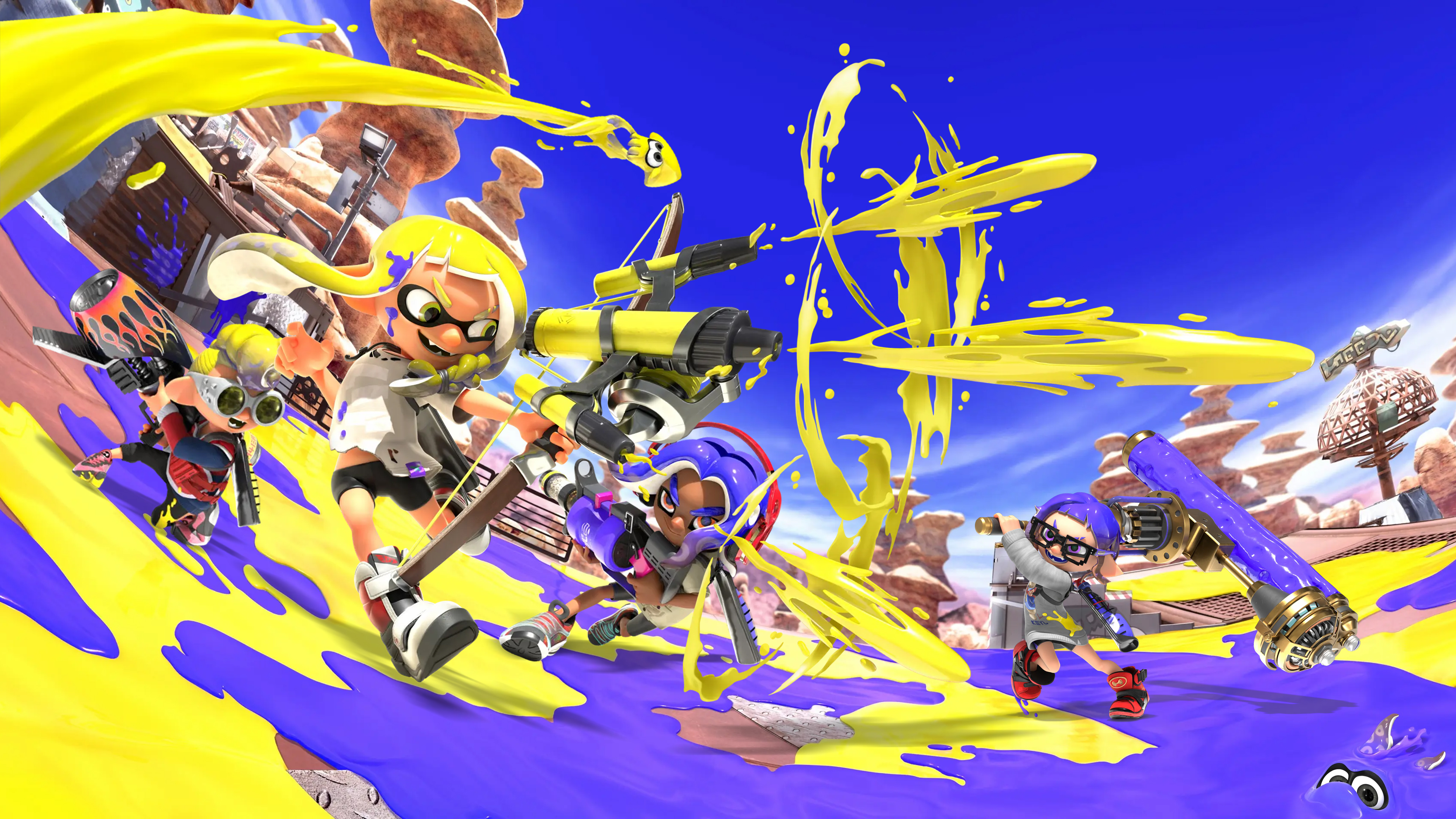
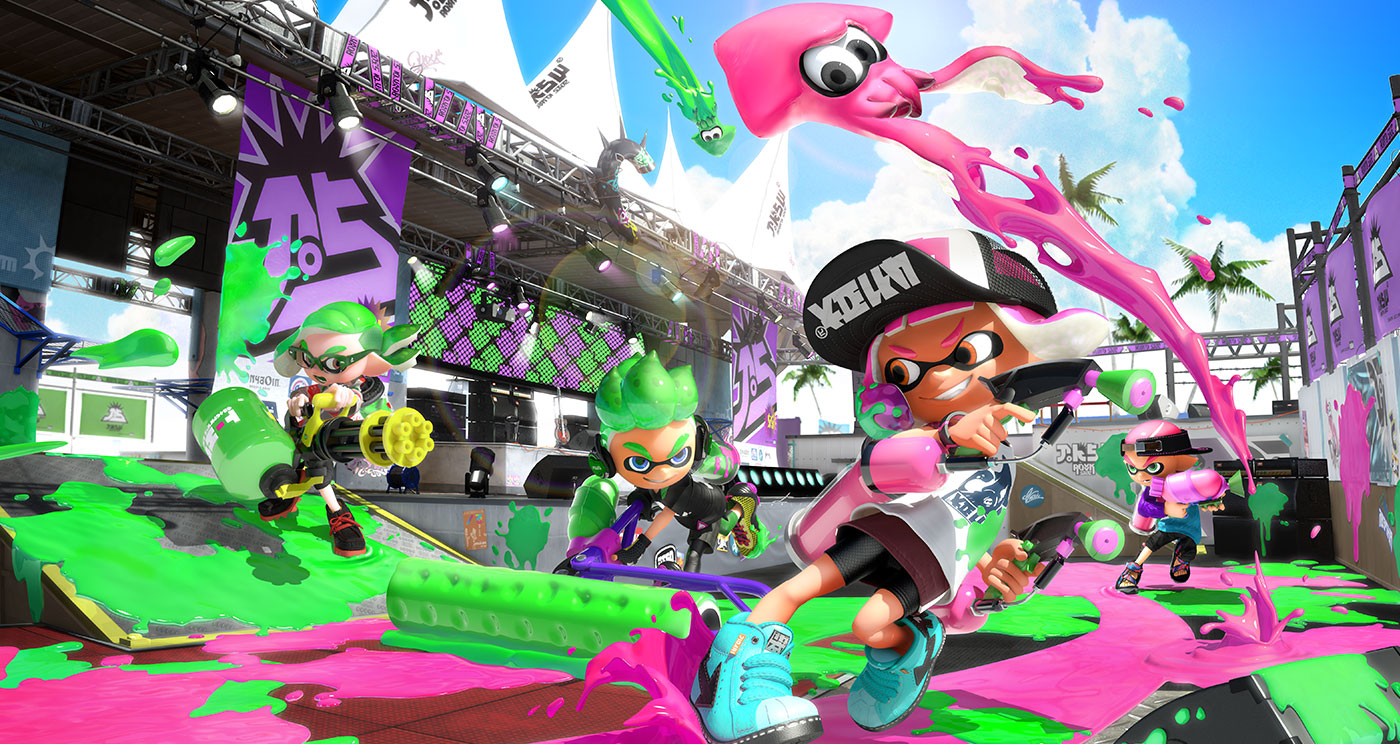
Splatoon 3 maintains the franchise’s core essence—a high-energy, style-driven world inhabited by Inklings, capable of transforming between humanoid and squid forms.
The gameplay centers on 'Turf Wars,' competitive 4v4 matches where teams cover the most ground with their colored ink using imaginative weapons ranging from squirt guns to paint rollers.
The signature mechanic of replenishing ink by swimming through your own color remains at the heart of the action, while opposing ink is still to be avoided at all costs.
The transition to Nintendo Switch keeps Splatoon 3 visually consistent with its predecessor.
Utilizing the same development engine, the new installment introduces modest improvements in model and texture quality, lighting, and physics—approximately a 20% visual boost, by estimates.
Gameplay continues to run at a smooth 60fps, except for the hub area, which remains capped at 30fps for stability.
What truly sets Splatoon 3 apart from previous entries are refinements and meaningful quality-of-life enhancements.
Notably, the repetitive newscast that previously interrupted sessions can now be condensed into an on-screen text box, letting players jump into matches more quickly than ever.
The fresh content roster is substantial.
The expanded Practice Room lets players warm up during matchmaking, while Battle Logs and Replays log detailed match stats for competitive improvement.
Launch day features 12 multiplayer maps, with five entirely new environments joining classic favorites.
The game adds creative new weapon classes like Splatanas (windshield wiper-inspired melee) and Stringers (bow-and-arrow style), supplementing the already diverse arsenal.
Game balancing tweaks ensure that both longtime fans and newcomers have compelling options for every playstyle, and new 'Sheldon Licenses' earned through progression unlock even further customization.
Fashion, still a cornerstone of Splatoon’s identity, gets a boost with more gear customization in Splatsville Square, the game’s main hub.
Not only do headgear, clothing, and shoes provide tangible in-game benefits through ability slots, but a new locker feature allows players to creatively display and decorate personal storage spaces.
Players can rate each other's lockers, adding a new social element to the customization experience.
The introduction of an in-game catalogue system rewards participation in online play with emotes, splashtags, and additional cosmetic upgrades.
The revamped story mode, 'Return of the Mammalians,' once again puts players in the role of Agent 3 on a mission to recover the Great Zapfish in the mysterious land of Alterna.
Assisted by popular series characters like Callie and Marie, as well as the loyal sidekick Smallfry, players progress through diverse levels filled with platforming, puzzles, and combat challenges.
Upgrade paths for the Hero Suit and Hero Shot return, though players seeking a greater challenge can opt to skip upgrades.
Story content, while concise, continues to deliver the charm and passion Splatoon campaigns are known for.
Competitive fans will find a familiar yet polished experience in ranked 'Anarchy Battles.' Unlocked at level 10, these 4v4 modes—Splat Zones, Tower Control, Rainmaker, and Clam Blitz—operate on a rotational basis and provide robust matchmaking based on player skill and rank.
While these battle types originate from Splatoon 2, their presence on new maps offers a fresh dynamic.
Cooperative play is revitalized in Salmon Run, now available around the clock for the first time.
Teams of four work together to defeat waves of Salmonids and fulfill Golden Egg quotas across three main rounds, now featuring the rare King Salmonid boss in some sessions.
Higher performance yields greater rewards and customization items, enhancing replay value.
Splatoon 3 supports extensive connectivity options, including public matchmaking, private lobbies, and local LAN play (via The Shoal).
Post-launch, Nintendo has promised two years of free content updates covering new modes, weapons, gear, and maps, alongside a major DLC expansion.
Splatfests, periodic themed competitions, return in chaotic three-team formats, ensuring ongoing excitement for the community.
From the energetic soundtrack featuring new hosts Deep Cut—Shiver, Frye, and Big Man—who also anchor the Anarchy Splatcast, to the endless customization and competitive depth, Splatoon 3 stands as a definitive entry in the series.
While it adheres to the 'if it ain't broke, don't fix it' philosophy, subtle improvements and rich content offerings make it essential for both dedicated fans and curious newcomers alike.
Splatoon 3 is now available exclusively for Nintendo Switch, rated 9/10 by our editorial team.
The review code was provided by Nintendo UK.
Nintendo’s Splatoon franchise has carved out a unique niche in the third-person shooter genre since its debut.
First launched on Wii U in May 2015, Splatoon quickly became a standout new IP for Nintendo, reshaping player expectations of shooter mechanics with its unconventional approach.
Despite the platform's limited install base, the original Splatoon achieved remarkable success, moving nearly 5 million units and outperforming other top titles of the era.
The subsequent release of Splatoon 2 on Nintendo Switch in 2017 expanded that momentum even further, reaching 13.3 million sales and introducing millions of new players to the ink-splatting action.
Now, with Splatoon 3 launching globally for Nintendo Switch on September 9, 2022, Nintendo refines the series’ formula, delivering both polished gameplay and a robust suite of new features.
Splatoon 3 maintains the franchise’s core essence—a high-energy, style-driven world inhabited by Inklings, capable of transforming between humanoid and squid forms.
The gameplay centers on 'Turf Wars,' competitive 4v4 matches where teams cover the most ground with their colored ink using imaginative weapons ranging from squirt guns to paint rollers.
The signature mechanic of replenishing ink by swimming through your own color remains at the heart of the action, while opposing ink is still to be avoided at all costs.
The transition to Nintendo Switch keeps Splatoon 3 visually consistent with its predecessor.
Utilizing the same development engine, the new installment introduces modest improvements in model and texture quality, lighting, and physics—approximately a 20% visual boost, by estimates.
Gameplay continues to run at a smooth 60fps, except for the hub area, which remains capped at 30fps for stability.
What truly sets Splatoon 3 apart from previous entries are refinements and meaningful quality-of-life enhancements.
Notably, the repetitive newscast that previously interrupted sessions can now be condensed into an on-screen text box, letting players jump into matches more quickly than ever.
The fresh content roster is substantial.
The expanded Practice Room lets players warm up during matchmaking, while Battle Logs and Replays log detailed match stats for competitive improvement.
Launch day features 12 multiplayer maps, with five entirely new environments joining classic favorites.
The game adds creative new weapon classes like Splatanas (windshield wiper-inspired melee) and Stringers (bow-and-arrow style), supplementing the already diverse arsenal.
Game balancing tweaks ensure that both longtime fans and newcomers have compelling options for every playstyle, and new 'Sheldon Licenses' earned through progression unlock even further customization.
Fashion, still a cornerstone of Splatoon’s identity, gets a boost with more gear customization in Splatsville Square, the game’s main hub.
Not only do headgear, clothing, and shoes provide tangible in-game benefits through ability slots, but a new locker feature allows players to creatively display and decorate personal storage spaces.
Players can rate each other's lockers, adding a new social element to the customization experience.
The introduction of an in-game catalogue system rewards participation in online play with emotes, splashtags, and additional cosmetic upgrades.
The revamped story mode, 'Return of the Mammalians,' once again puts players in the role of Agent 3 on a mission to recover the Great Zapfish in the mysterious land of Alterna.
Assisted by popular series characters like Callie and Marie, as well as the loyal sidekick Smallfry, players progress through diverse levels filled with platforming, puzzles, and combat challenges.
Upgrade paths for the Hero Suit and Hero Shot return, though players seeking a greater challenge can opt to skip upgrades.
Story content, while concise, continues to deliver the charm and passion Splatoon campaigns are known for.
Competitive fans will find a familiar yet polished experience in ranked 'Anarchy Battles.' Unlocked at level 10, these 4v4 modes—Splat Zones, Tower Control, Rainmaker, and Clam Blitz—operate on a rotational basis and provide robust matchmaking based on player skill and rank.
While these battle types originate from Splatoon 2, their presence on new maps offers a fresh dynamic.
Cooperative play is revitalized in Salmon Run, now available around the clock for the first time.
Teams of four work together to defeat waves of Salmonids and fulfill Golden Egg quotas across three main rounds, now featuring the rare King Salmonid boss in some sessions.
Higher performance yields greater rewards and customization items, enhancing replay value.
Splatoon 3 supports extensive connectivity options, including public matchmaking, private lobbies, and local LAN play (via The Shoal).
Post-launch, Nintendo has promised two years of free content updates covering new modes, weapons, gear, and maps, alongside a major DLC expansion.
Splatfests, periodic themed competitions, return in chaotic three-team formats, ensuring ongoing excitement for the community.
From the energetic soundtrack featuring new hosts Deep Cut—Shiver, Frye, and Big Man—who also anchor the Anarchy Splatcast, to the endless customization and competitive depth, Splatoon 3 stands as a definitive entry in the series.
While it adheres to the 'if it ain't broke, don't fix it' philosophy, subtle improvements and rich content offerings make it essential for both dedicated fans and curious newcomers alike.
Splatoon 3 is now available exclusively for Nintendo Switch, rated 9/10 by our editorial team.
The review code was provided by Nintendo UK.