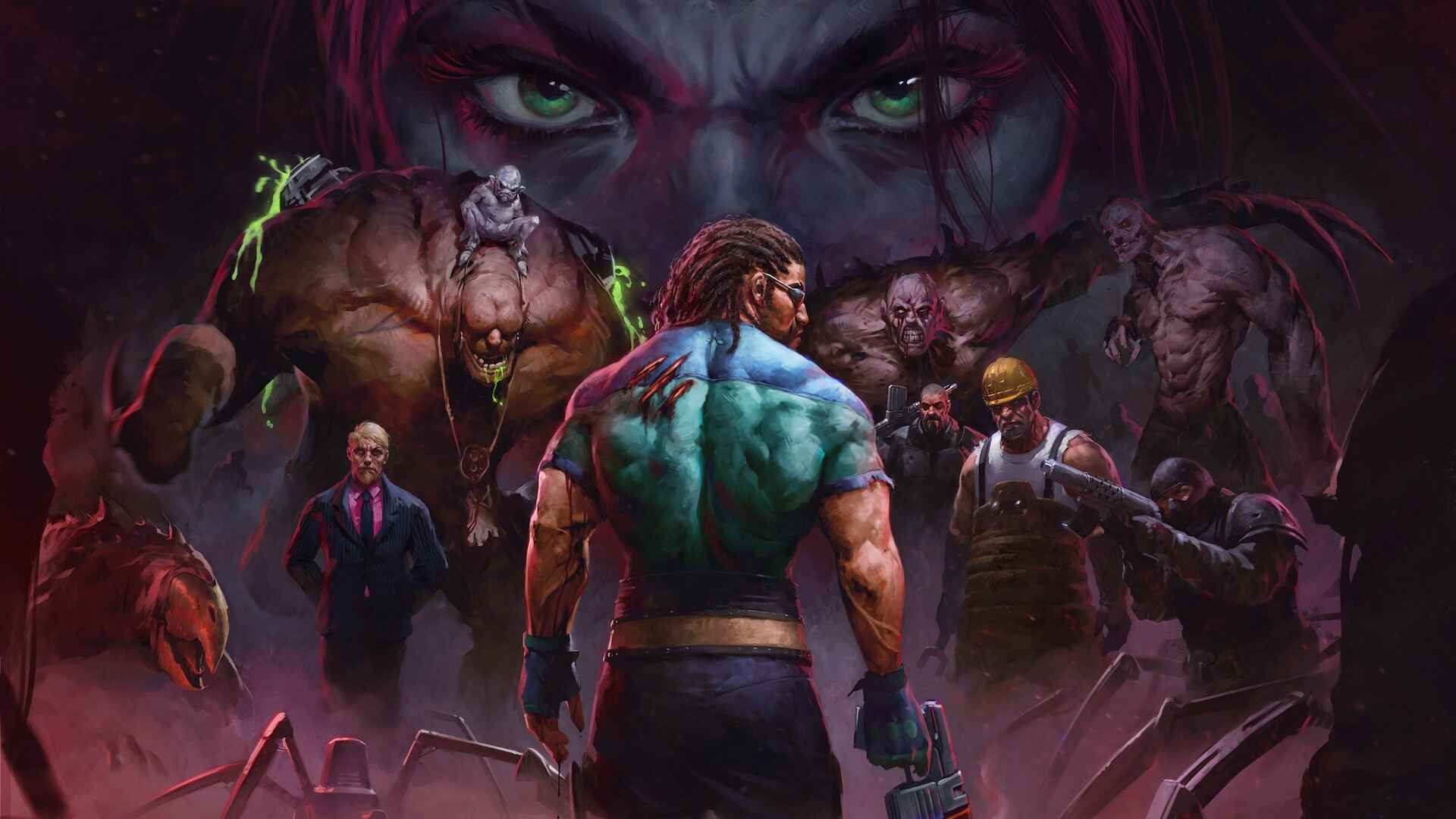




Nightdive Studios continues its campaign of restoring classic first-person shooters with SiN: Reloaded, a rebuilt version of Ritual Entertainment’s 1998 FPS now available for modern hardware including the Nintendo Switch 2.
Nightdive acquired the SiN rights in 2020 and has delivered an updated edition that bundles the Wages of SiN expansion and a range of modern options built on the studio’s KEX Engine.
SiN originally launched on November 5, 1998, using the Quake II engine and arriving with ambitious design goals.
Two weeks later, Valve released Half-Life on November 19, 1998 — a release that redirected much of the contemporary FPS conversation.
Ritual’s title suffered from performance problems and bugs at launch but received patches and a mission pack that helped it develop a modest following.
Paraphrasing notable observations from hands-on coverage: Nightdive has approached SiN: Reloaded in the same restoration-first manner it has applied to other 1990s shooters, rebuilding assets and systems in the KEX Engine to provide modern rendering, new lighting and particle effects, and a broad set of optional toggles so players can choose a more authentic or more modern experience.
On Nintendo Switch 2 specifically, the version tested included gyro aiming and support for Joy‑Con 2 mouse mode, and delivered stable performance in the sample build provided for review by Atari.
Review notes state that while Nightdive resolved a “significant number” of original issues, some legacy bugs and rough edges remain — a realistic outcome when moving a 1990s codebase into a modern engine.
SiN’s design remains notable for its narrative ambitions and varied mechanics: a story-driven campaign starring John R.
Blade, skeletal animation with location-based damage, limb-specific armor pickups, basic group AI tactics, optional vehicle sections, and branching level clear conditions that can open alternate paths.
Those elements set SiN apart from many contemporaries even as its core shooting mechanics reflected the conservative design of its engine era.
For players and historians interested in late-90s FPS evolution, SiN: Reloaded presents an accessible way to experience the game with modern conveniences.
The package includes the official expansion and multiple graphical and control tweaks intended to smooth gameplay on current hardware.
Version tested: Nintendo Switch 2 (review copy provided by Atari).
Reviewer score in the source review: 7/10.