


Resident Evil green blood anecdote resurfaces as series hits 30th anniversary.
Capcom's landmark survival-horror franchise—originally released in 1996 under the title Biohazard in Japan—has generated fresh discussion after former Sony Computer Entertainment executive Shuhei Yoshida revealed the original PlayStation build briefly experimented with green blood in Japan.
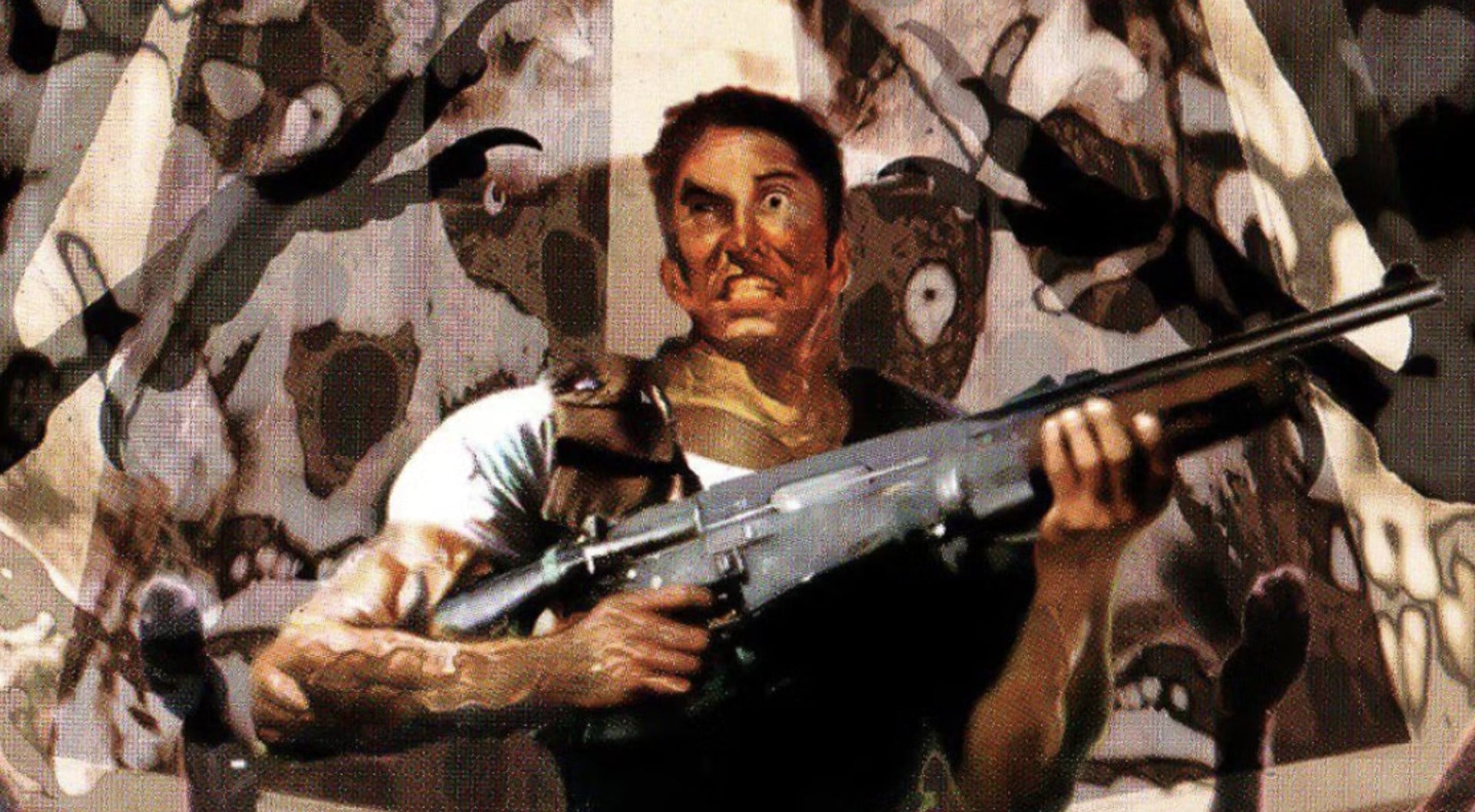
The original Resident Evil launched in 1996 on Sony's PlayStation and was directed by Shinji Mikami.
As the franchise marks its 30th year, Capcom has prompted tributes and reflections from industry veterans.
In a short video message, Yoshida said that because Japan did not yet have an industry-standard age-rating system when the game was being prepared for release, there was concern that the red blood used in the game might unduly alarm younger players.
Yoshida explained that Capcom initially tested a version with green blood to soften the visual impact for younger audiences.
After playtests, he said the change compromised the game's intended tone: the green-blood variant failed to preserve the atmosphere the team wanted to convey.
Following those results, Capcom reverted to red blood for the Japanese release and included an advisory on the box noting the presence of violence and gore.
Those localization and content choices were part of a broader international response.
In North America, Resident Evil was among the early PlayStation titles to receive a Mature (M) rating from the ESRB.
In the United Kingdom, the game was classified with a 15 rating by the relevant classification board, and the introduction sequence underwent edits for the Western release that removed some of the more graphic elements.
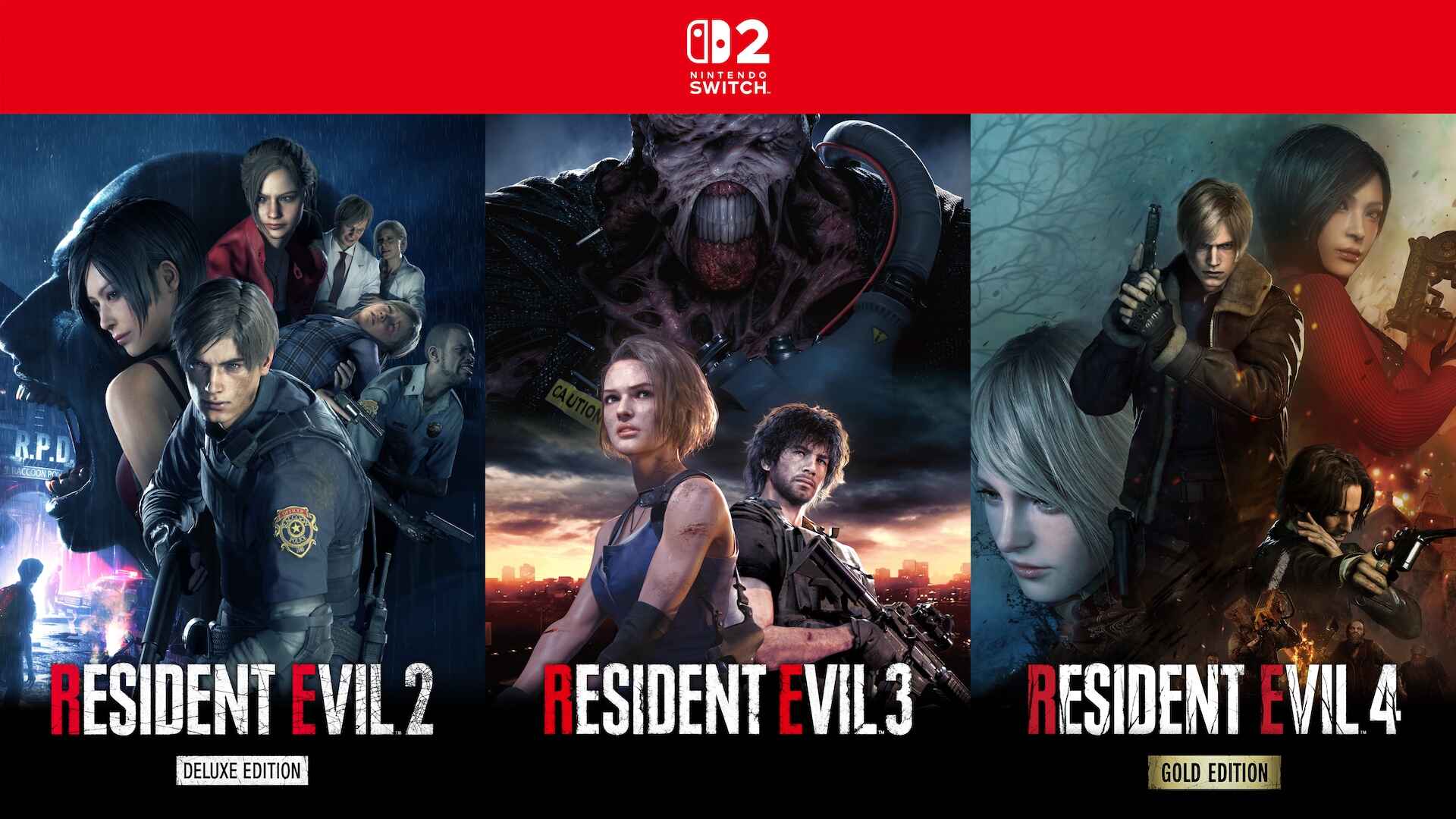
The series has since expanded onto many platforms and storefronts, with later entries and remasters appearing on modern systems and digital services, including releases on Nintendo Switch and the Nintendo eShop.
Capcom's Resident Evil remains a foundational title in survival horror, noted for its production design, fixed-camera tension, and the decision-making that shaped its original content and presentation.
As Capcom and collaborators reflect on three decades of Resident Evil, Yoshida's anecdote underscores how early development choices—driven by cultural context and the absence of formal ratings—can influence final game content and the player experience.
Capcom's landmark survival-horror franchise—originally released in 1996 under the title Biohazard in Japan—has generated fresh discussion after former Sony Computer Entertainment executive Shuhei Yoshida revealed the original PlayStation build briefly experimented with green blood in Japan.
The original Resident Evil launched in 1996 on Sony's PlayStation and was directed by Shinji Mikami.
As the franchise marks its 30th year, Capcom has prompted tributes and reflections from industry veterans.
In a short video message, Yoshida said that because Japan did not yet have an industry-standard age-rating system when the game was being prepared for release, there was concern that the red blood used in the game might unduly alarm younger players.
Yoshida explained that Capcom initially tested a version with green blood to soften the visual impact for younger audiences.
After playtests, he said the change compromised the game's intended tone: the green-blood variant failed to preserve the atmosphere the team wanted to convey.
Following those results, Capcom reverted to red blood for the Japanese release and included an advisory on the box noting the presence of violence and gore.
Those localization and content choices were part of a broader international response.
In North America, Resident Evil was among the early PlayStation titles to receive a Mature (M) rating from the ESRB.
In the United Kingdom, the game was classified with a 15 rating by the relevant classification board, and the introduction sequence underwent edits for the Western release that removed some of the more graphic elements.
The series has since expanded onto many platforms and storefronts, with later entries and remasters appearing on modern systems and digital services, including releases on Nintendo Switch and the Nintendo eShop.
Capcom's Resident Evil remains a foundational title in survival horror, noted for its production design, fixed-camera tension, and the decision-making that shaped its original content and presentation.
As Capcom and collaborators reflect on three decades of Resident Evil, Yoshida's anecdote underscores how early development choices—driven by cultural context and the absence of formal ratings—can influence final game content and the player experience.