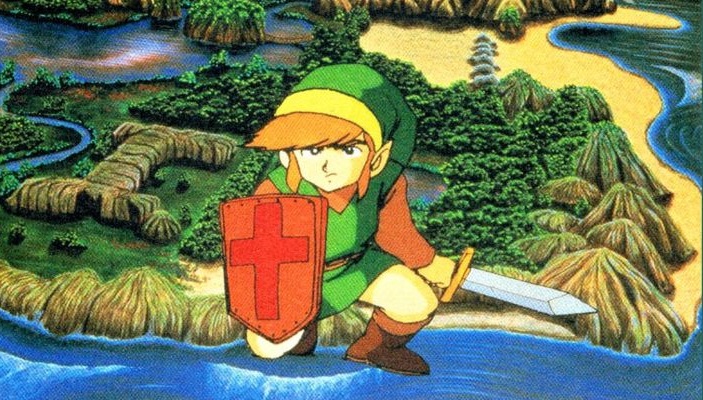
The Legend of Zelda franchise reached its 40th anniversary in 2026, marking four decades of influential titles, hardware evolutions, and enduring design led by Nintendo and series creator Shigeru Miyamoto.
Among the entries that have provoked the most debate is Zelda II: The Adventure of Link, originally released for Nintendo’s Famicom Disk System in Japan in 1987 and for the NES in North America the following year.
Its side-scrolling combat and RPG elements set it apart from the top-down adventure of the original 1986 title, making it one of the most contested entries in the franchise.
In a resurfaced 2003 interview with Swedish Superplay Magazine — brought back into the spotlight by Retro Gamer and GamesRadar — Miyamoto provided candid commentary on Zelda II’s place in the series.
He said that while Zelda II began from his concept, it was developed by a different team within Nintendo and did not evolve through the iterative idea process he typically applies.
Miyamoto described the game as, in his view, a failure that remained largely unchanged during development and characterized A Link to the Past as the series’ true sequel rather than Zelda II.
Miyamoto reiterated similar sentiments in a 2013 conversation with journalist Stephen Totilo, where he noted technical differences between versions — specifically the Famicom Disk System edition’s longer load times compared with cartridge releases — as part of the context for his assessment.
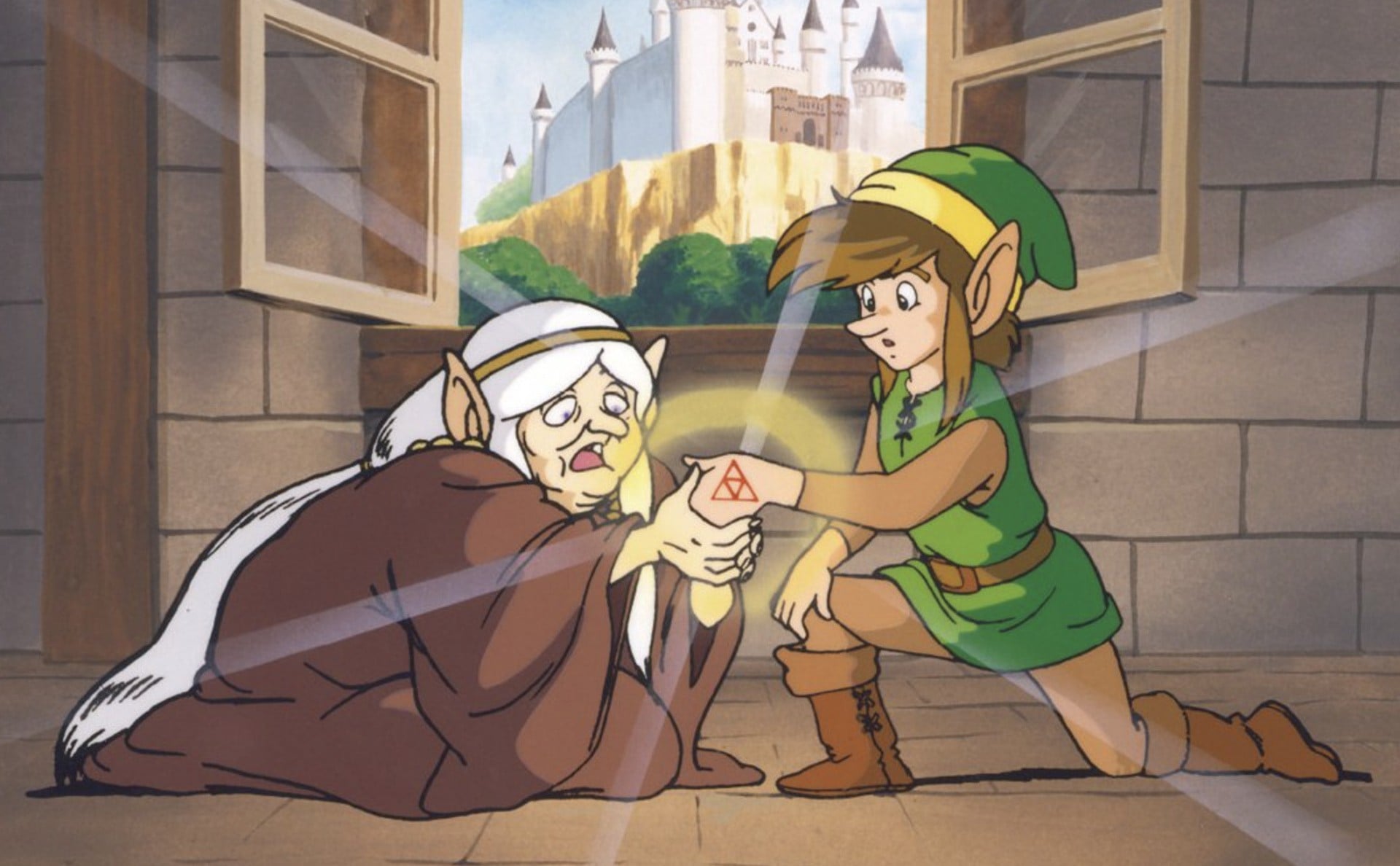
A Link to the Past, developed for the Super Nintendo Entertainment System (SNES) and released in 1991, returned the series to a top-down perspective and established design conventions that have influenced later Zelda titles.
The franchise has since appeared across Nintendo platforms, been featured in Nintendo Direct presentations, and seen many of its classic entries reissued on services such as Virtual Console and the Nintendo Switch Online libraries, with modern availability often managed through the Nintendo eShop.
Miyamoto’s comments remain a notable example of internal reflection on franchise direction and design at Nintendo.
They offer a clear record of how the company’s creators evaluate lineage and continuity within one of gaming’s most storied series.
Among the entries that have provoked the most debate is Zelda II: The Adventure of Link, originally released for Nintendo’s Famicom Disk System in Japan in 1987 and for the NES in North America the following year.
Its side-scrolling combat and RPG elements set it apart from the top-down adventure of the original 1986 title, making it one of the most contested entries in the franchise.
In a resurfaced 2003 interview with Swedish Superplay Magazine — brought back into the spotlight by Retro Gamer and GamesRadar — Miyamoto provided candid commentary on Zelda II’s place in the series.
He said that while Zelda II began from his concept, it was developed by a different team within Nintendo and did not evolve through the iterative idea process he typically applies.
Miyamoto described the game as, in his view, a failure that remained largely unchanged during development and characterized A Link to the Past as the series’ true sequel rather than Zelda II.
Miyamoto reiterated similar sentiments in a 2013 conversation with journalist Stephen Totilo, where he noted technical differences between versions — specifically the Famicom Disk System edition’s longer load times compared with cartridge releases — as part of the context for his assessment.
A Link to the Past, developed for the Super Nintendo Entertainment System (SNES) and released in 1991, returned the series to a top-down perspective and established design conventions that have influenced later Zelda titles.
The franchise has since appeared across Nintendo platforms, been featured in Nintendo Direct presentations, and seen many of its classic entries reissued on services such as Virtual Console and the Nintendo Switch Online libraries, with modern availability often managed through the Nintendo eShop.
Miyamoto’s comments remain a notable example of internal reflection on franchise direction and design at Nintendo.
They offer a clear record of how the company’s creators evaluate lineage and continuity within one of gaming’s most storied series.