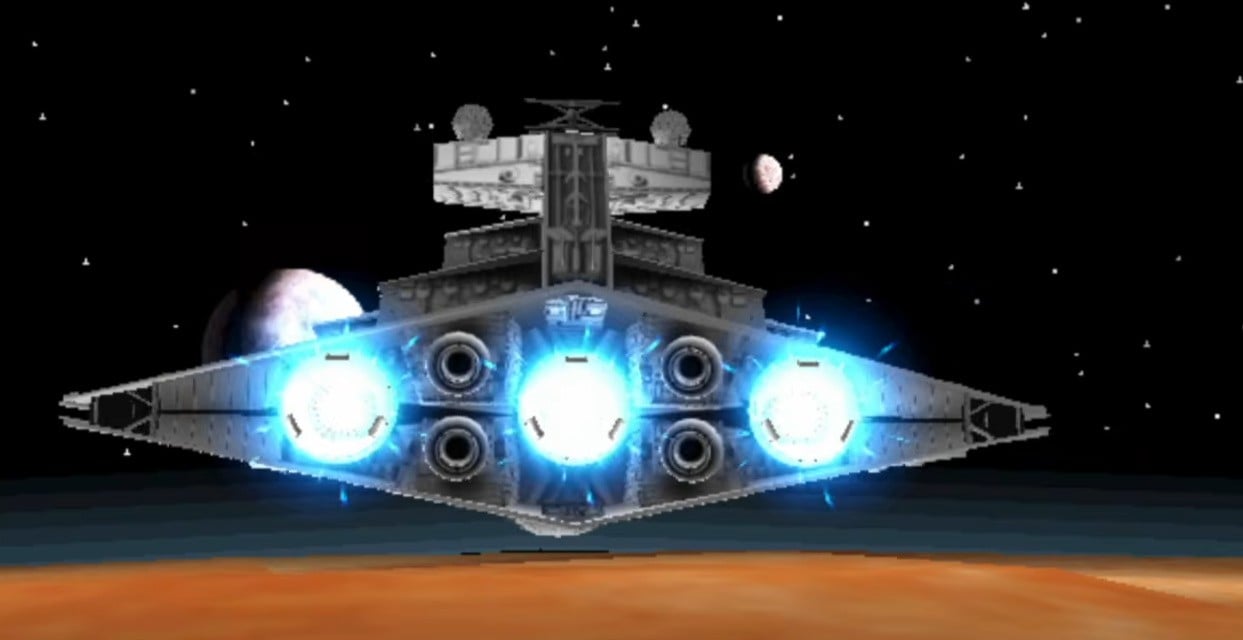
SEGA has released previously unseen artwork from Sonic Adventure as part of its ongoing celebrations for Sonic the Hedgehog's 35th anniversary.
Sonic Adventure, developed by Sonic Team and originally released for the SEGA Dreamcast in 1998 in Japan and 1999 worldwide, is widely recognized for bringing the franchise into the 3D era and remains a landmark title in SEGA's catalog.
The newly revealed images are archival pieces tied to Sonic Adventure's late 1990s development and promotion.
In clear, journalistic language, SEGA invited fans to view the newly released artwork, noting its historical connection to the title that helped define Sonic's transition from 2D to 3D.
The publisher positioned the release as part of a broader set of anniversary activities honoring the franchise's three-and-a-half decades.
Sonic Adventure was produced by Sonic Team and served as one of the Dreamcast's flagship titles during the console's early life.
The game's original Dreamcast launch window is recorded as 1998 for Japan and 1999 for the wider global market.
Since its debut, Sonic Adventure has been referenced frequently in discussions about the franchise's evolution and its move into 3D level design, voice acting for series characters, and multi-character storytelling.
While SEGA released the artwork in conjunction with anniversary coverage, the company has not announced any new remasters or platform-specific releases tied directly to these images.
The archival artwork adds context for fans and preservationists who follow how classic titles are presented across platforms and storefronts.
Collectors and community members continue to track Sonic Adventure's presence across formats from original Dreamcast discs to later ports and how the franchise appears on modern digital services like the Nintendo eShop and on systems such as Nintendo Switch.
For industry observers and long-time fans, the artwork release underscores SEGA's continued stewardship of its legacy properties.
Sonic Adventure's historical importance—its role in moving the series into three dimensions and its position as a standout Dreamcast title—remains central to anniversary conversations.
SEGA's archival releases, including the newly shared images, offer a closer look at the creative design work behind a game that shaped the franchise's direction at the turn of the century.
The artwork is now public; fans and journalists interested in the images can view SEGA's anniversary materials directly through SEGA's official channels and related coverage accompanying the 35th anniversary programming.
Sonic Adventure, developed by Sonic Team and originally released for the SEGA Dreamcast in 1998 in Japan and 1999 worldwide, is widely recognized for bringing the franchise into the 3D era and remains a landmark title in SEGA's catalog.
The newly revealed images are archival pieces tied to Sonic Adventure's late 1990s development and promotion.
In clear, journalistic language, SEGA invited fans to view the newly released artwork, noting its historical connection to the title that helped define Sonic's transition from 2D to 3D.
The publisher positioned the release as part of a broader set of anniversary activities honoring the franchise's three-and-a-half decades.
Sonic Adventure was produced by Sonic Team and served as one of the Dreamcast's flagship titles during the console's early life.
The game's original Dreamcast launch window is recorded as 1998 for Japan and 1999 for the wider global market.
Since its debut, Sonic Adventure has been referenced frequently in discussions about the franchise's evolution and its move into 3D level design, voice acting for series characters, and multi-character storytelling.
While SEGA released the artwork in conjunction with anniversary coverage, the company has not announced any new remasters or platform-specific releases tied directly to these images.
The archival artwork adds context for fans and preservationists who follow how classic titles are presented across platforms and storefronts.
Collectors and community members continue to track Sonic Adventure's presence across formats from original Dreamcast discs to later ports and how the franchise appears on modern digital services like the Nintendo eShop and on systems such as Nintendo Switch.
For industry observers and long-time fans, the artwork release underscores SEGA's continued stewardship of its legacy properties.
Sonic Adventure's historical importance—its role in moving the series into three dimensions and its position as a standout Dreamcast title—remains central to anniversary conversations.
SEGA's archival releases, including the newly shared images, offer a closer look at the creative design work behind a game that shaped the franchise's direction at the turn of the century.
The artwork is now public; fans and journalists interested in the images can view SEGA's anniversary materials directly through SEGA's official channels and related coverage accompanying the 35th anniversary programming.