When Sega announced the end of the Dreamcast era and its move away from console manufacturing in 2001, the company faced both a business reset and a diplomatic task: rebuilding bridges with former hardware rivals. Mike Fischer, a former SEGA executive, has described that transitional period and his role in reshaping Sega’s industry relationships, including those with Nintendo.
Background and context
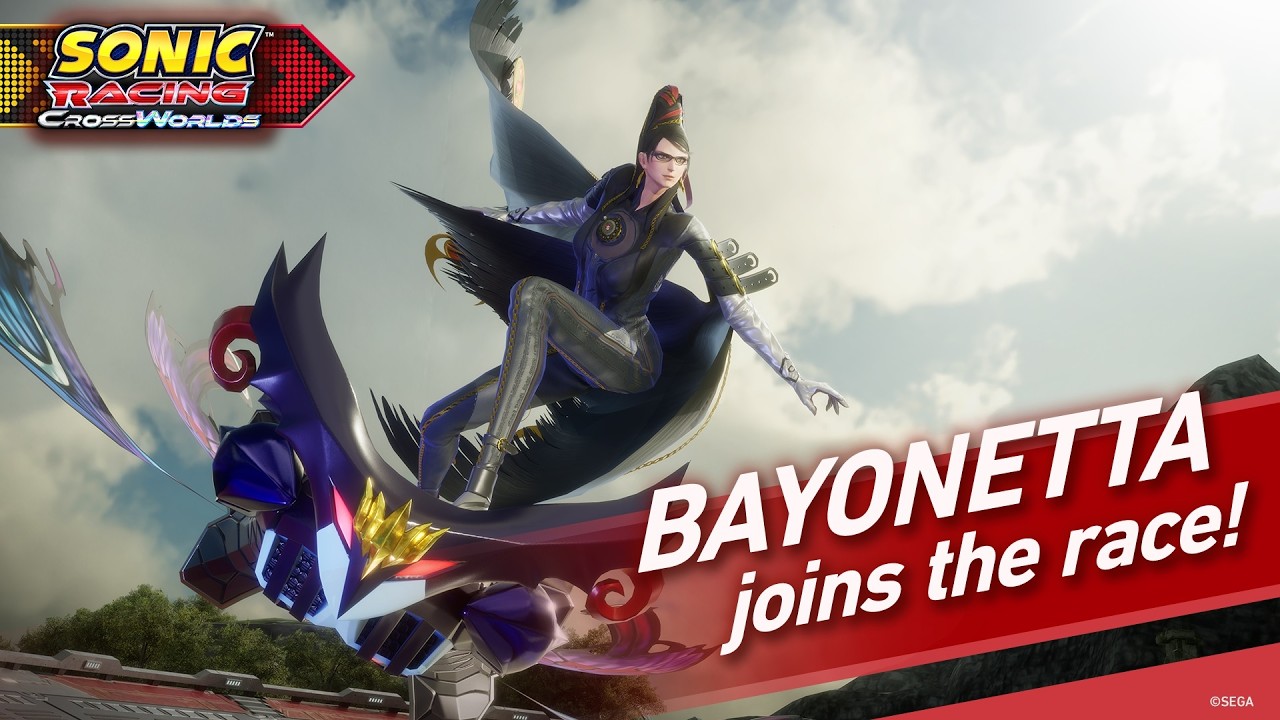
Sega officially discontinued the Dreamcast and restructured as a third-party developer and publisher in 2001. That decision redirected flagship franchises such as Sonic the Hedgehog onto competitor hardware. Over the following two decades Sega released multiple titles on Nintendo platforms, from the Wii-era crossover Mario & Sonic at the Olympic Games (the series launched in 2007 for Wii and Nintendo DS) to contemporary releases on Nintendo Switch and the eShop. Notable third-party Sonic releases include Sonic Mania, which launched on multiple platforms including Nintendo Switch in August 2017.
Rebuilding ties: Fischer’s account
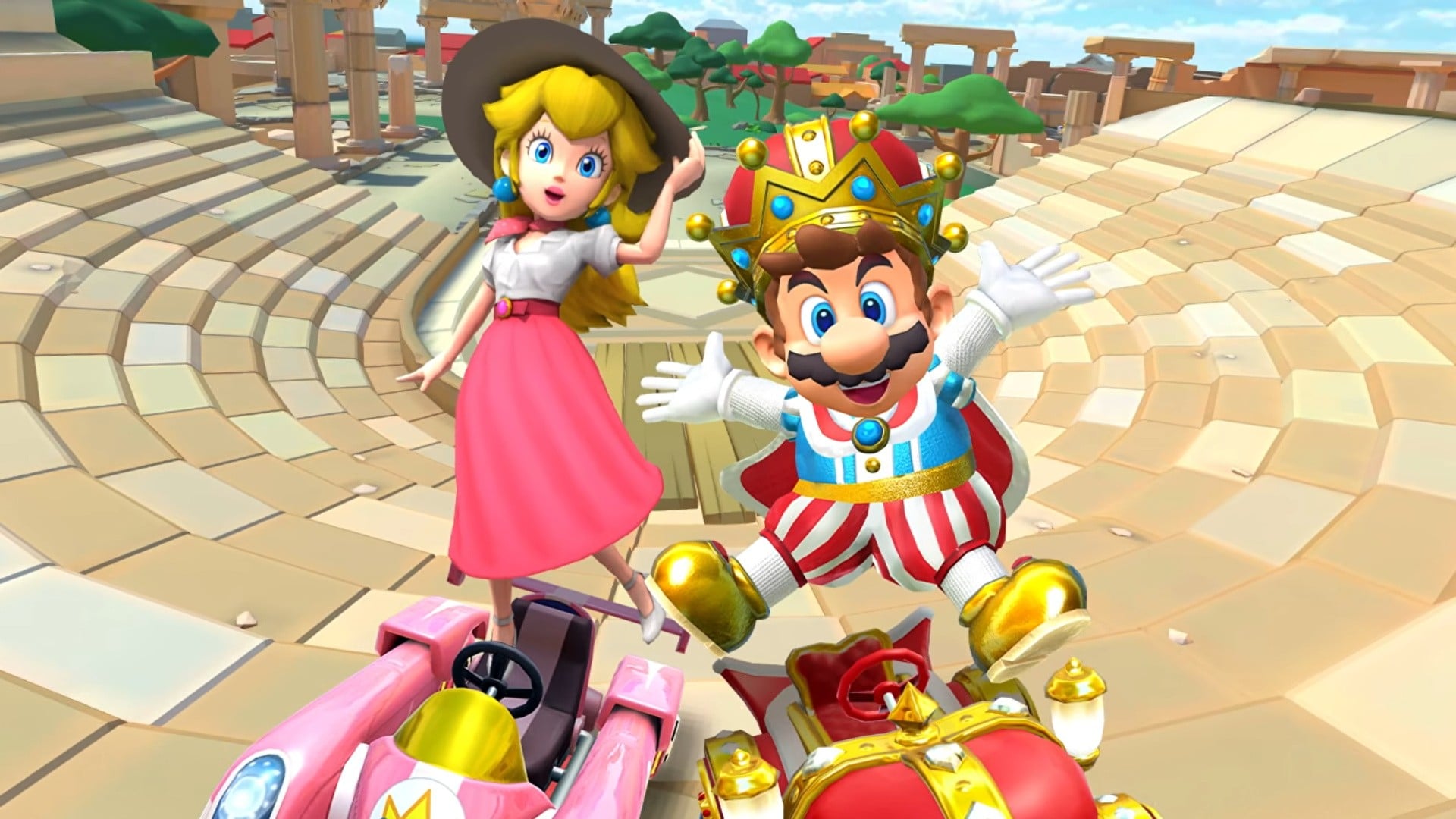
In an interview with SEGA-16, Fischer said his mandate was to "put the Dreamcast to bed" and to oversee Sega’s strategic pivot from first-party hardware maker to third-party software partner. He characterized the work as rebuilding relationships with Nintendo and Sony while also establishing ties with Microsoft’s Xbox business. Fischer recalled a symbolic moment during early outreach to Nintendo: Sega brought its Sonic mascot to Nintendo of America, where the Mario mascot greeted Sonic at the door. Fischer described the encounter as emotional and a warm sign of welcome between former rivals.
What followed: collaborations and platforms
That goodwill helped enable formal collaborations between the two companies. The Mario & Sonic crossover series began in 2007 and continued through multiple Olympic-themed installments, most recently Mario & Sonic at the Olympic Games Tokyo 2020, which released for Nintendo Switch in November 2019. Sega’s third-party strategy also meant its franchises would appear across PlayStation, Xbox, and Nintendo platforms, and Sega continues to publish titles on the Switch and via the Nintendo eShop.
Legacy
Fischer’s recollection underscores how corporate strategy, platform shifts, and personal diplomacy intersected after Dreamcast. Sega’s transition to third-party development reshaped its relationships across the industry and opened the door to collaborations that once would have been unlikely between hardware competitors.
Mike Fischer on the SEGA-Nintendo Relationship: How Sega Rebuilt Ties After the Dreamcast
Nintendo News Hub

Source: NintendoEverything