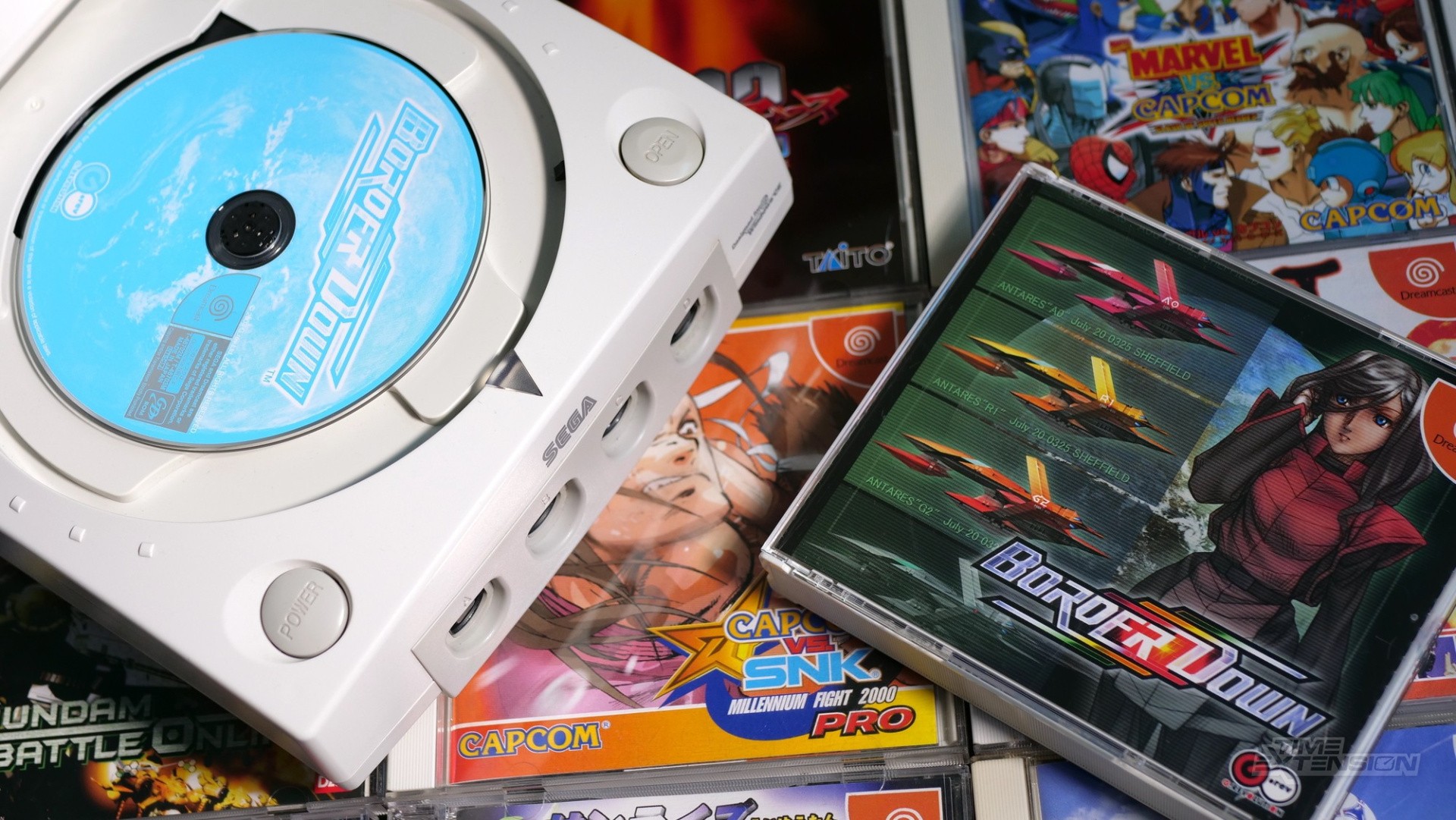
On September 9, 1999, Sega launched the Dreamcast in North America, marking a significant moment in the evolution of console gaming.
Often regarded as a pioneer for its era, the Dreamcast arrived to critical acclaim and remarkable commercial success, setting a record for the biggest launch in entertainment history at that time.
Generating $98 million in sales on its first day, the Dreamcast’s debut even surpassed both the iconic PlayStation and Nintendo 64 launches in terms of revenue, reflecting Sega's enduring influence within the gaming industry.
Despite this strong start, the Dreamcast’s triumph was short-lived.
Fewer than two years after its North American debut, Sega made the strategic decision to exit the hardware business and shift focus exclusively to third-party software publishing.
The enduring narrative among industry followers has often centered on the Dreamcast as the root cause of Sega's withdrawal from the hardware market.
However, those at the helm, including former Sega president Peter Moore, have challenged this perception.
Responding to coverage by IGN in the feature "How Dreamcast Killed Sega's Hardware Reign," Moore clarified that Sega’s approach with the Dreamcast was forward-thinking, stating: "Our strategy put us at the forefront of the gaming industry’s evolution." This position is reinforced by Shoichiro Irimajiri, another key former Sega executive, who attributes the company’s struggles not to the Dreamcast, but rather to previous missteps with the 32X and Saturn consoles.
"Those decisions,” Irimajiri explained, “proved to be significant miscalculations that continued to impact us all the way to the end.
Many American third-party partners were left uncertain and ultimately shifted support to PlayStation, bypassing the Saturn entirely."
The Sega Dreamcast ultimately achieved a respectable 9.13 million units sold worldwide before production ceased.
Its library, innovative hardware features, and online capabilities have since earned it legendary status among gamers and developers.
Although Sega’s hardware division came to a close after the Dreamcast, the company successfully transitioned into a third-party publisher, contributing renowned titles for platforms such as the Nintendo Switch and PlayStation.
Today, the Dreamcast is recognized not as the catalyst for Sega’s challenges, but as a bold system that pushed gaming forward.
The lessons learned from the 32X and Saturn era provided crucial context, highlighting the importance of consistent hardware support and developer relations.
The Dreamcast’s story remains a key chapter in console history, influencing how companies like Nintendo and Sony would approach their own hardware ecosystems in the years that followed.
Often regarded as a pioneer for its era, the Dreamcast arrived to critical acclaim and remarkable commercial success, setting a record for the biggest launch in entertainment history at that time.
Generating $98 million in sales on its first day, the Dreamcast’s debut even surpassed both the iconic PlayStation and Nintendo 64 launches in terms of revenue, reflecting Sega's enduring influence within the gaming industry.
Despite this strong start, the Dreamcast’s triumph was short-lived.
Fewer than two years after its North American debut, Sega made the strategic decision to exit the hardware business and shift focus exclusively to third-party software publishing.
The enduring narrative among industry followers has often centered on the Dreamcast as the root cause of Sega's withdrawal from the hardware market.
However, those at the helm, including former Sega president Peter Moore, have challenged this perception.
Responding to coverage by IGN in the feature "How Dreamcast Killed Sega's Hardware Reign," Moore clarified that Sega’s approach with the Dreamcast was forward-thinking, stating: "Our strategy put us at the forefront of the gaming industry’s evolution." This position is reinforced by Shoichiro Irimajiri, another key former Sega executive, who attributes the company’s struggles not to the Dreamcast, but rather to previous missteps with the 32X and Saturn consoles.
"Those decisions,” Irimajiri explained, “proved to be significant miscalculations that continued to impact us all the way to the end.
Many American third-party partners were left uncertain and ultimately shifted support to PlayStation, bypassing the Saturn entirely."
The Sega Dreamcast ultimately achieved a respectable 9.13 million units sold worldwide before production ceased.
Its library, innovative hardware features, and online capabilities have since earned it legendary status among gamers and developers.
Although Sega’s hardware division came to a close after the Dreamcast, the company successfully transitioned into a third-party publisher, contributing renowned titles for platforms such as the Nintendo Switch and PlayStation.
Today, the Dreamcast is recognized not as the catalyst for Sega’s challenges, but as a bold system that pushed gaming forward.
The lessons learned from the 32X and Saturn era provided crucial context, highlighting the importance of consistent hardware support and developer relations.
The Dreamcast’s story remains a key chapter in console history, influencing how companies like Nintendo and Sony would approach their own hardware ecosystems in the years that followed.