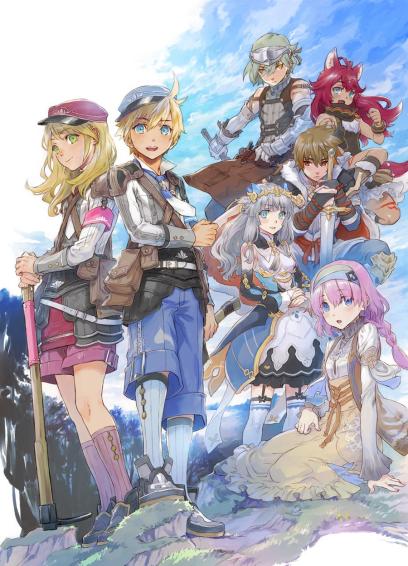
Rune Factory: Guardians of Azuma represents a fresh spin on the long-running Rune Factory franchise, a series that originally branched from the Harvest Moon/Story of Seasons lineage.
Developed and published under the Marvelous umbrella, the title blends action-RPG combat with village-building and farming-sim systems and was tested here on a Nintendo Switch 2 review unit provided by Marvelous Europe and Marvelous USA.
The reviewer's overall contention is straightforward: after struggling to connect with past entries, Guardians of Azuma finally clicked.
They reported that the game's cutscene direction, combat responsiveness, and visual presentation felt like a step forward compared with earlier recent entries in the series.
In journalistic terms, the reviewer said that Guardians of Azuma convinced them the series is moving in the right direction, delivering a more modernized balance of action and farming loops.
Gameplay and pacing
The protagonist is an amnesiac Earth Dancer tasked with restoring life to the four realms of Azuma by reviving villages, gathering materials in dungeons, and rebuilding community spaces.
The reviewer emphasized that progression feels focused: ‘‘Rather than aimless objectives, the game funnels complexity into learning systems, not chasing story milestones,’’ they noted.
A calendar system exists but is intentionally permissive—tasks have no hard deadlines, allowing players to prioritize farming, exploration, or relationship-building at their own pace.
Village building and interface
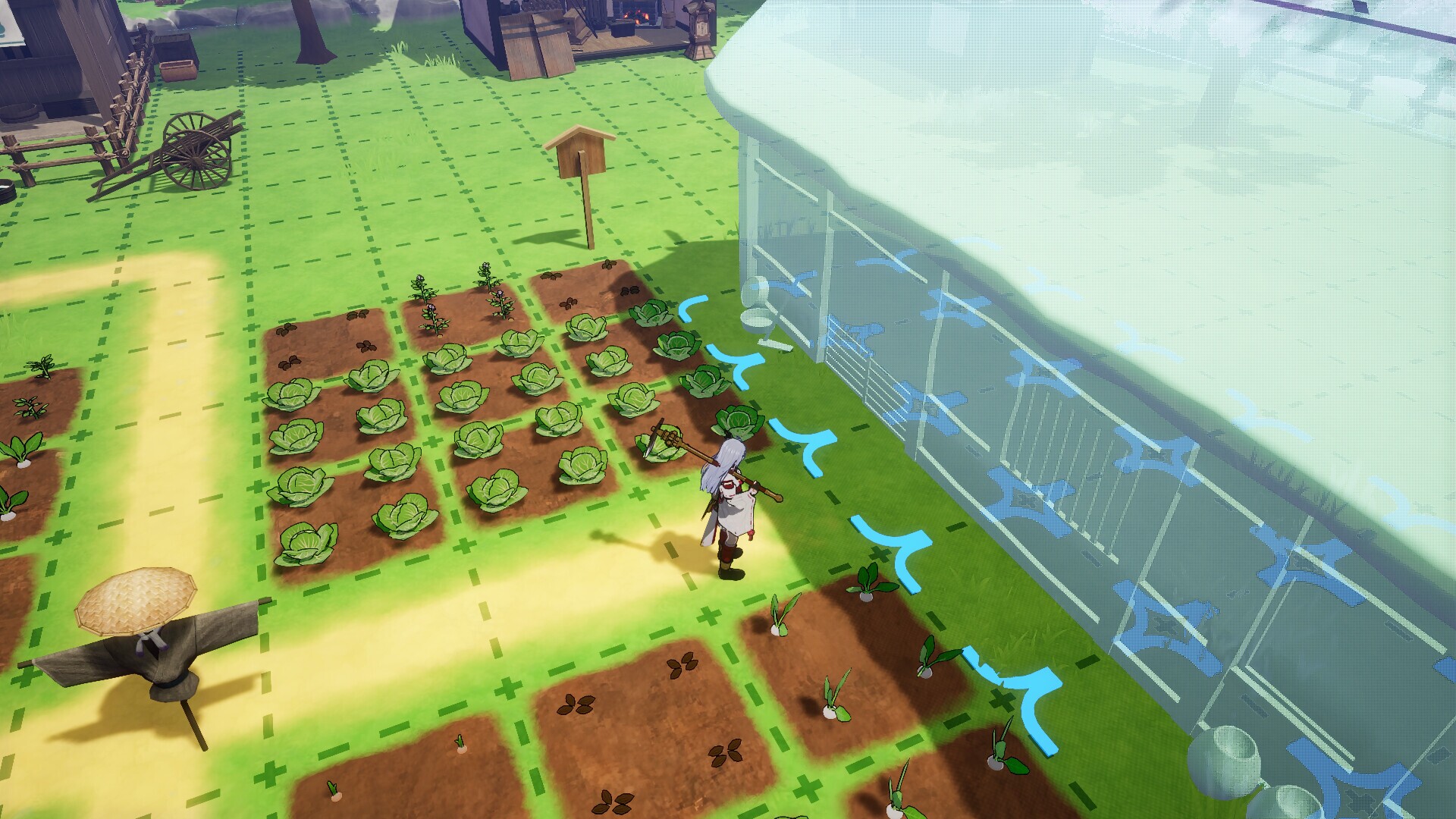
Each village offers customizable sections that expand with upgrades.
The game scores scenic layouts and provides mission-guided objectives to inspire design choices.
Notably, the Switch 2 edition includes a mouse mode for precise town editing; the reviewer praised this feature while also saying controller input remains serviceable for most users.
Combat and systems
Combat is described as the strongest action showing in the series to date: smooth animations, perfect-dodge mechanics that trigger slow motion, and a loadout of primary/secondary weapons plus a sacred treasure.
Sacred treasures consume RP, replenished by food, creating natural inventory and resource-management trade-offs.
Performance and final verdict
While visuals benefit from upgraded hardware with stylized shading and clearer models, the reviewer observed inconsistent frame pacing on the tested hardware, with performance dipping noticeably during hectic encounters despite post-launch patches.
In sum, Guardians of Azuma was judged a breezy and approachable entry that marries farming and action in a way that could expand the series' appeal, even if some systems feel only moderately refined.
Version Tested: Nintendo Switch 2.
Review copy provided by Marvelous Europe / Marvelous USA.
Developed and published under the Marvelous umbrella, the title blends action-RPG combat with village-building and farming-sim systems and was tested here on a Nintendo Switch 2 review unit provided by Marvelous Europe and Marvelous USA.
The reviewer's overall contention is straightforward: after struggling to connect with past entries, Guardians of Azuma finally clicked.
They reported that the game's cutscene direction, combat responsiveness, and visual presentation felt like a step forward compared with earlier recent entries in the series.
In journalistic terms, the reviewer said that Guardians of Azuma convinced them the series is moving in the right direction, delivering a more modernized balance of action and farming loops.
Gameplay and pacing
The protagonist is an amnesiac Earth Dancer tasked with restoring life to the four realms of Azuma by reviving villages, gathering materials in dungeons, and rebuilding community spaces.
The reviewer emphasized that progression feels focused: ‘‘Rather than aimless objectives, the game funnels complexity into learning systems, not chasing story milestones,’’ they noted.
A calendar system exists but is intentionally permissive—tasks have no hard deadlines, allowing players to prioritize farming, exploration, or relationship-building at their own pace.
Village building and interface
Each village offers customizable sections that expand with upgrades.
The game scores scenic layouts and provides mission-guided objectives to inspire design choices.
Notably, the Switch 2 edition includes a mouse mode for precise town editing; the reviewer praised this feature while also saying controller input remains serviceable for most users.
Combat and systems
Combat is described as the strongest action showing in the series to date: smooth animations, perfect-dodge mechanics that trigger slow motion, and a loadout of primary/secondary weapons plus a sacred treasure.
Sacred treasures consume RP, replenished by food, creating natural inventory and resource-management trade-offs.
Performance and final verdict
While visuals benefit from upgraded hardware with stylized shading and clearer models, the reviewer observed inconsistent frame pacing on the tested hardware, with performance dipping noticeably during hectic encounters despite post-launch patches.
In sum, Guardians of Azuma was judged a breezy and approachable entry that marries farming and action in a way that could expand the series' appeal, even if some systems feel only moderately refined.
Version Tested: Nintendo Switch 2.
Review copy provided by Marvelous Europe / Marvelous USA.