

Introduction
Rugrats remains one of the most recognizable children’s properties from the 1990s, spawning three theatrical films (The Rugrats Movie, Rugrats in Paris: The Movie, Rugrats Go Wild), multiple TV seasons, a spin-off (All Grown Up), and numerous licensed tie-ins.
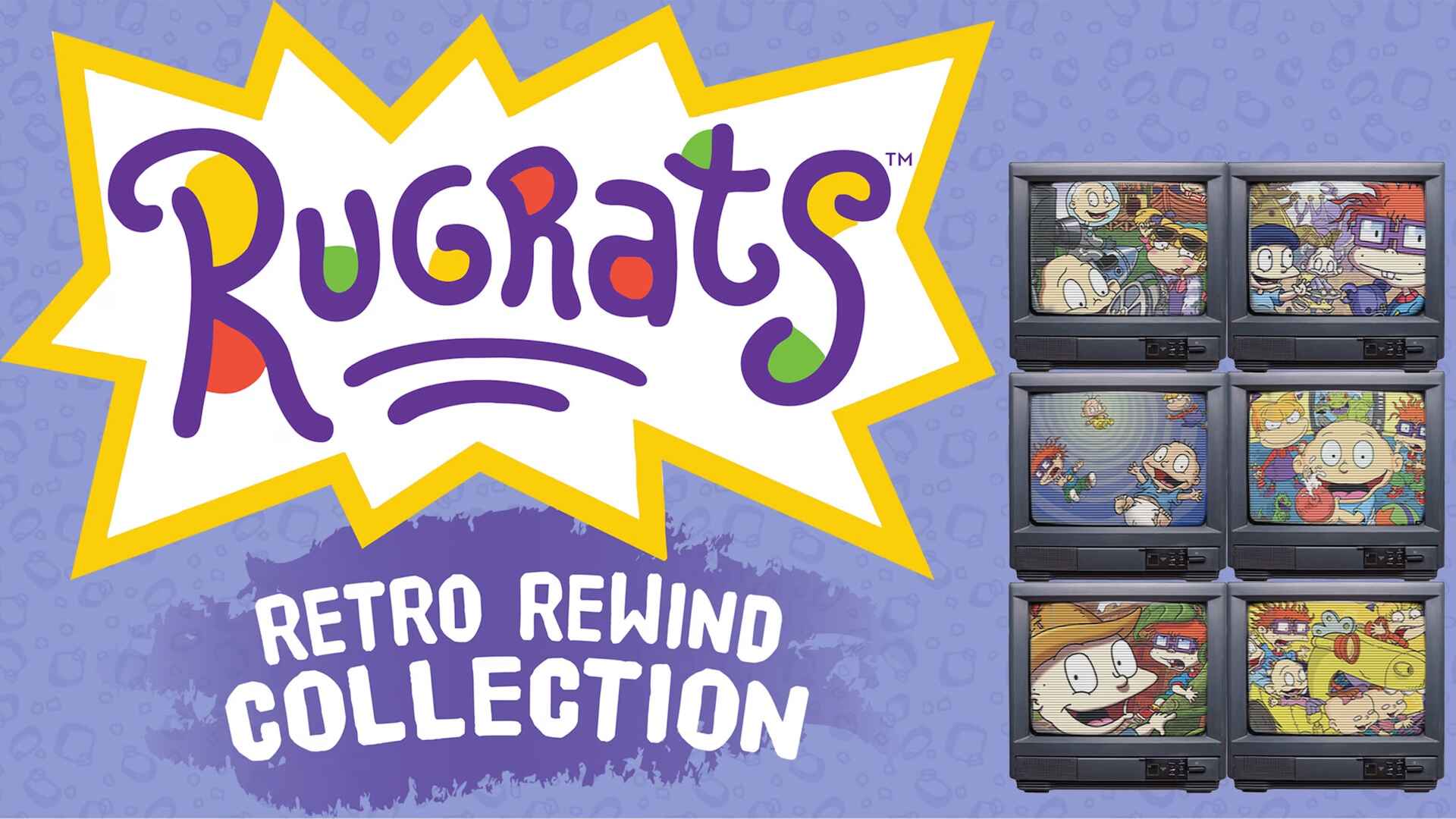
Limited Run Games’ Rugrats: Retro Rewind Collection packages seven classic Rugrats titles originally released on PlayStation, Game Boy Color and Game Boy Advance and makes them playable on modern hardware; this review examines the Nintendo Switch version provided by Limited Run Games.
What’s in the collection
Rugrats: Retro Rewind Collection gathers seven legacy titles: PlayStation-era Rugrats: The Search for Reptar, Rugrats: Studio Tour, and Rugrats in Paris: The Movie; Game Boy Color releases Rugrats: The Movie, Rugrats: Time Travelers, and Rugrats in Paris: The Movie Portable; and the Game Boy Advance entry Rugrats: Castle Capers.
The handheld games in the set were developed by Software Creations; the first two PlayStation titles were developed by n-Space, with Avalanche Software credited for the PlayStation version of Rugrats in Paris.
Emulation wrapper and features
Limited Run ships the collection using its Carbon Engine emulation wrapper.
The package includes a single save state slot per game, a rewind function, CRT and Dot Matrix display filters, multiple border options, access to original (lightly edited) manuals in a museum section, and a music player.
The hybrid Game Boy Color title can be toggled between color and monochrome modes.
As the review notes in plain terms: "Limited Run's emulation reproduces the original titles and their presentation, though players may encounter minor input lag and some incorrect on-screen button prompts that require clarification." And in journalistic phrasing: "The wrapper adds useful preservation features but stops short of offering developer interviews or historical extras that would contextualize these licensed releases."
Gameplay and quality assessment
Across the seven titles, the common thread is vintage licensed-game design aimed at younger players.
The Search for Reptar on PlayStation is the collection’s most recognizable entry, offering a 3D Pickles’ house hub and mini-games that unlock Reptar puzzle pieces.
Rugrats: Studio Tour expands the set-piece variety with studio-themed mini-games, while Rugrats in Paris on PlayStation shifts to tank controls and a EuroReptarland setting.
Handheld entries follow traditional 2D platforming and collectible-driven design, with Rugrats: The Movie, Time Travelers, and the GBC version of Rugrats in Paris leaning on object quotas and stage progression; Rugrats: Castle Capers on GBA presents a more straightforward platforming experience.
The reviewer’s verdict is measured: these are authentic period pieces but largely underwhelming as modern gameplay experiences.
The collection is most valuable to players with specific childhood nostalgia for one of the included titles; preservation efforts and the convenience of modern features make the set a worthy archival release, even if the games themselves rarely rise above competent licensed-era workmanship.
Final note
Rugrats: Retro Rewind Collection on Nintendo Switch is a curated slice of 1990s and early-2000s licensed gaming.
It offers historical preservation and convenience features, but the gameplay quality varies across entries.
The review score provided with the tested Switch version was 6/10.
Rugrats remains one of the most recognizable children’s properties from the 1990s, spawning three theatrical films (The Rugrats Movie, Rugrats in Paris: The Movie, Rugrats Go Wild), multiple TV seasons, a spin-off (All Grown Up), and numerous licensed tie-ins.
Limited Run Games’ Rugrats: Retro Rewind Collection packages seven classic Rugrats titles originally released on PlayStation, Game Boy Color and Game Boy Advance and makes them playable on modern hardware; this review examines the Nintendo Switch version provided by Limited Run Games.
What’s in the collection
Rugrats: Retro Rewind Collection gathers seven legacy titles: PlayStation-era Rugrats: The Search for Reptar, Rugrats: Studio Tour, and Rugrats in Paris: The Movie; Game Boy Color releases Rugrats: The Movie, Rugrats: Time Travelers, and Rugrats in Paris: The Movie Portable; and the Game Boy Advance entry Rugrats: Castle Capers.
The handheld games in the set were developed by Software Creations; the first two PlayStation titles were developed by n-Space, with Avalanche Software credited for the PlayStation version of Rugrats in Paris.
Emulation wrapper and features
Limited Run ships the collection using its Carbon Engine emulation wrapper.
The package includes a single save state slot per game, a rewind function, CRT and Dot Matrix display filters, multiple border options, access to original (lightly edited) manuals in a museum section, and a music player.
The hybrid Game Boy Color title can be toggled between color and monochrome modes.
As the review notes in plain terms: "Limited Run's emulation reproduces the original titles and their presentation, though players may encounter minor input lag and some incorrect on-screen button prompts that require clarification." And in journalistic phrasing: "The wrapper adds useful preservation features but stops short of offering developer interviews or historical extras that would contextualize these licensed releases."
Gameplay and quality assessment
Across the seven titles, the common thread is vintage licensed-game design aimed at younger players.
The Search for Reptar on PlayStation is the collection’s most recognizable entry, offering a 3D Pickles’ house hub and mini-games that unlock Reptar puzzle pieces.
Rugrats: Studio Tour expands the set-piece variety with studio-themed mini-games, while Rugrats in Paris on PlayStation shifts to tank controls and a EuroReptarland setting.
Handheld entries follow traditional 2D platforming and collectible-driven design, with Rugrats: The Movie, Time Travelers, and the GBC version of Rugrats in Paris leaning on object quotas and stage progression; Rugrats: Castle Capers on GBA presents a more straightforward platforming experience.
The reviewer’s verdict is measured: these are authentic period pieces but largely underwhelming as modern gameplay experiences.
The collection is most valuable to players with specific childhood nostalgia for one of the included titles; preservation efforts and the convenience of modern features make the set a worthy archival release, even if the games themselves rarely rise above competent licensed-era workmanship.
Final note
Rugrats: Retro Rewind Collection on Nintendo Switch is a curated slice of 1990s and early-2000s licensed gaming.
It offers historical preservation and convenience features, but the gameplay quality varies across entries.
The review score provided with the tested Switch version was 6/10.