Sunsoft Returns to Nintendo Switch 2 with Ripple Island Kyle and Cal’s Restaurant: A Promising Party Game Undermined by Technical Flaws
Sunsoft, a name synonymous with both cult classics and memorable NES titles like Batman: The Video Game and Blaster Master, has re-entered the gaming spotlight after years away from frontline development.
The Japanese developer, once revered (and sometimes notorious) for its distinctive Famicom releases, has attempted a comeback by reviving several classic intellectual properties.
Sunsoft’s recent catalog has tapped into player nostalgia through modern game mechanics, but with varying levels of international recognition for its IPs, executing a true global hit has proven challenging.
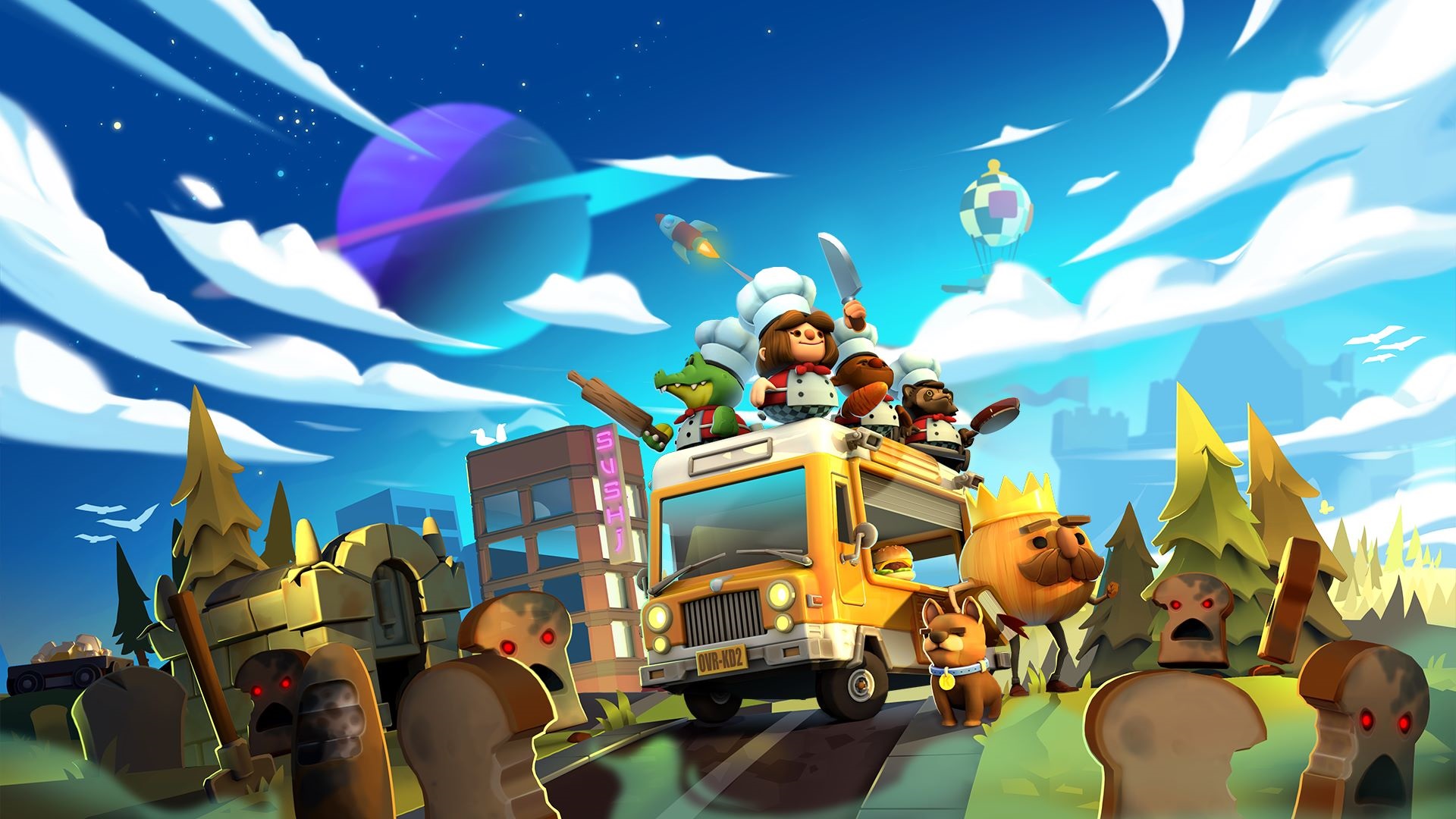
This challenge is evident in Ripple Island Kyle and Cal’s Restaurant, newly launched on Nintendo Switch 2 and drawing clear inspiration from Ghost Town Games’ acclaimed Overcooked series.
Rather than lean on the original Ripple Island’s narrative-driven adventure roots, this fresh iteration pivots into the time management party game genre.
The premise is simple: players compete in a royal cooking contest hosted by the king, aiming for glory and a promised treasure.
The game incorporates a blend of cooking, fishing, farming, and gathering mechanics, while leveraging familiar Ripple Island characters and settings to anchor its identity.
The inclusion of online multiplayer for up to sixteen players suggests ambitions for chaotic, cooperative fun—a staple in the genre.
Despite these promising foundations, Ripple Island Kyle and Cal’s Restaurant struggles to deliver a cohesive and polished experience.
The title offers several play modes, including a Challenge Mode (playable solo or with a second player locally), a Story Mode with multi-character control, and a sixteen-player online component.
Notably, the Nintendo Switch 2 version reduces local multiplayer to just two players, compared to four in other party game contemporaries, which can result in levels feeling imbalanced or overwhelming for smaller groups.
The solo campaign requires players to multitask between characters, a system that proves cumbersome and detracts from the intended fast-paced fun.
More concerning are the widespread technical issues that plague gameplay.
Users—including this reviewer's experience—report frequent glitches, display bugs, unresponsive controls, and critical crashes that force restarts.
Essential information sometimes fails to appear, timers break or lag, and in-game objects can become inaccessible.
Additionally, the much-touted online multiplayer struggles with a lack of active players, making it difficult to utilize its full features.
A Sunsoft spokesperson acknowledged that feedback has highlighted these issues, expressing intent to address them through future patches.
However, as of publication, these issues remain prevalent and significantly impact playability on the Nintendo Switch 2.
Sunsoft’s renewed involvement in game development, especially through reinterpretations of its legacy IPs such as Ripple Island, is a noteworthy trend for long-time fans and industry observers.
Unfortunately, while Ripple Island Kyle and Cal’s Restaurant has the bones of an entertaining, Overcooked-inspired party game, its current version on eShop is marred by technical problems that overshadow its inventive features and nostalgic appeal.
Unless substantial updates are released, even dedicated Sunsoft enthusiasts may find little to recommend here.
Ripple Island Kyle and Cal’s Restaurant stands as a testament to the challenges legacy developers face in reintroducing classic IPs to a modern audience—and the necessity for technical polish in today’s competitive Nintendo Switch ecosystem.
Sunsoft, a name synonymous with both cult classics and memorable NES titles like Batman: The Video Game and Blaster Master, has re-entered the gaming spotlight after years away from frontline development.
The Japanese developer, once revered (and sometimes notorious) for its distinctive Famicom releases, has attempted a comeback by reviving several classic intellectual properties.
Sunsoft’s recent catalog has tapped into player nostalgia through modern game mechanics, but with varying levels of international recognition for its IPs, executing a true global hit has proven challenging.
This challenge is evident in Ripple Island Kyle and Cal’s Restaurant, newly launched on Nintendo Switch 2 and drawing clear inspiration from Ghost Town Games’ acclaimed Overcooked series.
Rather than lean on the original Ripple Island’s narrative-driven adventure roots, this fresh iteration pivots into the time management party game genre.
The premise is simple: players compete in a royal cooking contest hosted by the king, aiming for glory and a promised treasure.
The game incorporates a blend of cooking, fishing, farming, and gathering mechanics, while leveraging familiar Ripple Island characters and settings to anchor its identity.
The inclusion of online multiplayer for up to sixteen players suggests ambitions for chaotic, cooperative fun—a staple in the genre.
Despite these promising foundations, Ripple Island Kyle and Cal’s Restaurant struggles to deliver a cohesive and polished experience.
The title offers several play modes, including a Challenge Mode (playable solo or with a second player locally), a Story Mode with multi-character control, and a sixteen-player online component.
Notably, the Nintendo Switch 2 version reduces local multiplayer to just two players, compared to four in other party game contemporaries, which can result in levels feeling imbalanced or overwhelming for smaller groups.
The solo campaign requires players to multitask between characters, a system that proves cumbersome and detracts from the intended fast-paced fun.
More concerning are the widespread technical issues that plague gameplay.
Users—including this reviewer's experience—report frequent glitches, display bugs, unresponsive controls, and critical crashes that force restarts.
Essential information sometimes fails to appear, timers break or lag, and in-game objects can become inaccessible.
Additionally, the much-touted online multiplayer struggles with a lack of active players, making it difficult to utilize its full features.
A Sunsoft spokesperson acknowledged that feedback has highlighted these issues, expressing intent to address them through future patches.
However, as of publication, these issues remain prevalent and significantly impact playability on the Nintendo Switch 2.
Sunsoft’s renewed involvement in game development, especially through reinterpretations of its legacy IPs such as Ripple Island, is a noteworthy trend for long-time fans and industry observers.
Unfortunately, while Ripple Island Kyle and Cal’s Restaurant has the bones of an entertaining, Overcooked-inspired party game, its current version on eShop is marred by technical problems that overshadow its inventive features and nostalgic appeal.
Unless substantial updates are released, even dedicated Sunsoft enthusiasts may find little to recommend here.
Ripple Island Kyle and Cal’s Restaurant stands as a testament to the challenges legacy developers face in reintroducing classic IPs to a modern audience—and the necessity for technical polish in today’s competitive Nintendo Switch ecosystem.