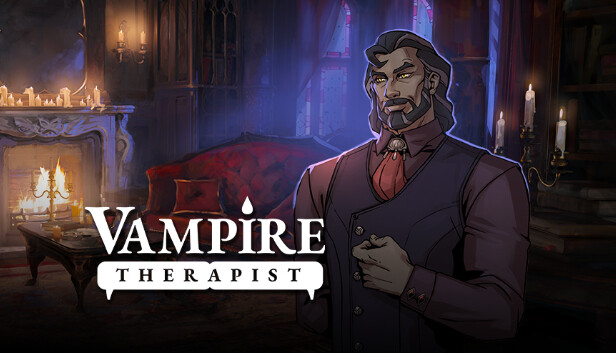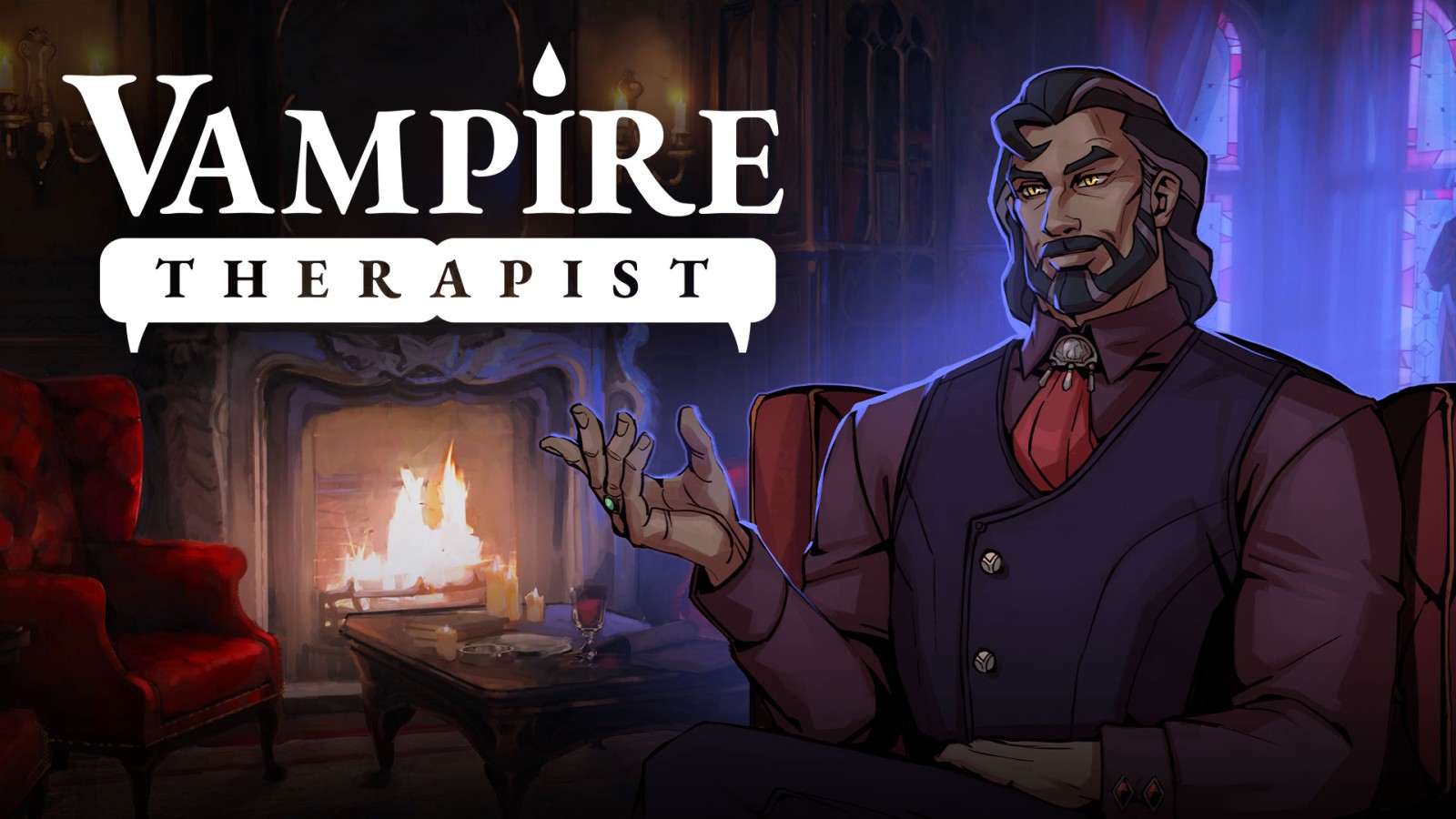
Vampire Therapist, a visually engaging narrative game developed for PC and now brought to the Nintendo Switch, offers players a unique take on the visual novel genre by casting both therapists and patients as vampires.
Developed by a talented indie team and originally released in 2024 on PC, Vampire Therapist quickly attracted attention for its fresh concept—immortal beings counseling each other through centuries of psychological baggage.
As the game expands to consoles, including the Nintendo Switch, expectations were high that its stylish storytelling and star-studded voice cast would find new fans among portable gaming enthusiasts.
However, the Nintendo Switch port of Vampire Therapist has encountered notable technical challenges that stand in stark contrast to the game’s strengths.
Most critically, Vampire Therapist is currently incompatible with the Switch 2, Nintendo’s latest hardware revision, leaving a segment of early adopters unable to play.
Community forums and online threads detail that, upon launching Vampire Therapist on the Switch 2, players are met with an unresponsive black screen.
Restarting the app or the device does not resolve the issue.
Although the developers have acknowledged the compatibility problem and indicated that a patch is in development, at the time of writing, players must use the original Switch to experience the game.
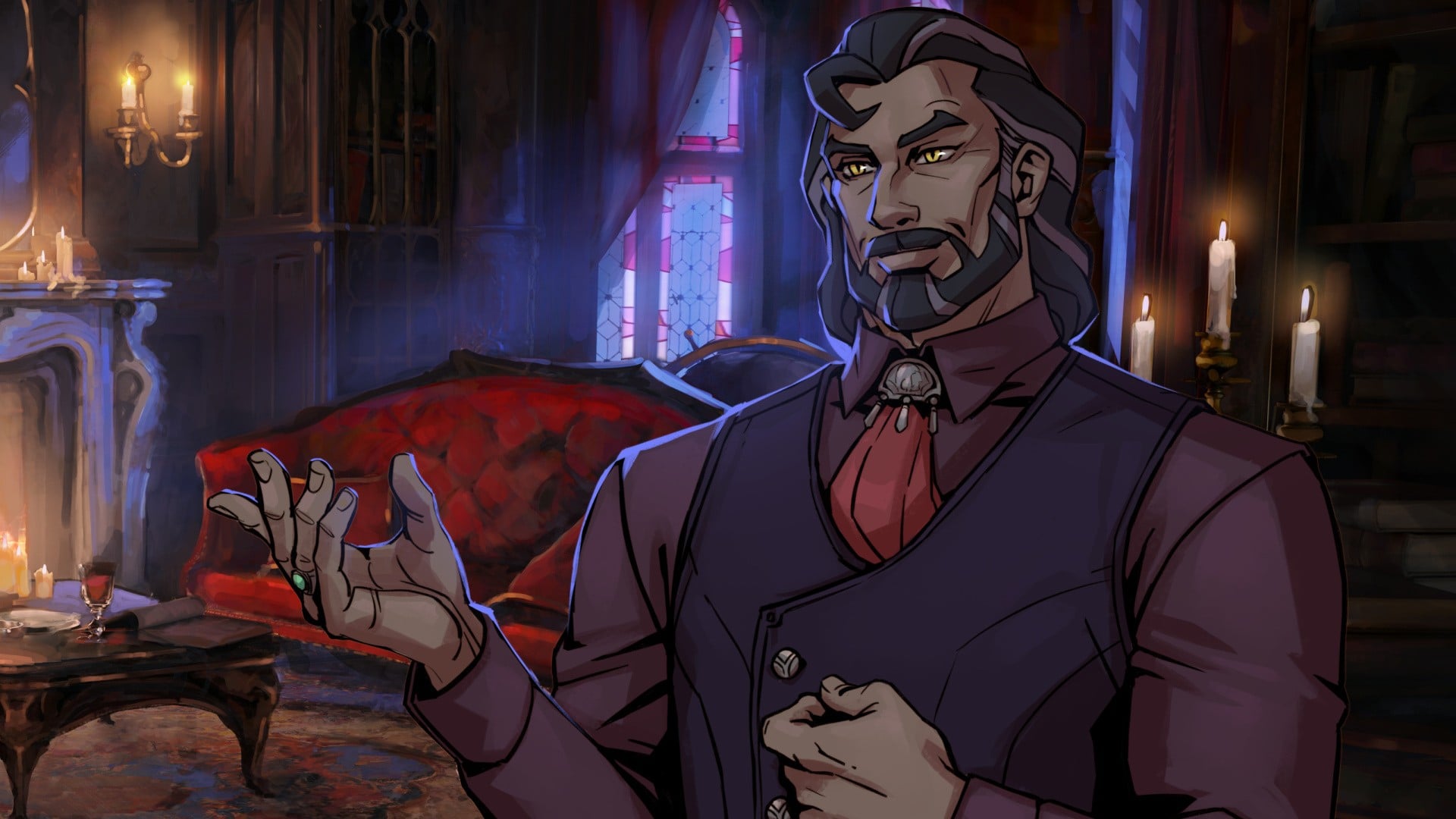
Once installed on a standard Nintendo Switch, Vampire Therapist impresses with its atmospheric visuals and attention to detail.
Character designs and backdrops evoke the eerie allure of vampire lore, lending depth to the game’s moody narrative.
The player assumes the role of Sam Walls, a young vampire with origins in the Wild West, who has transformed himself from a predatory presence into a compassionate listener eager to help his fellow undead address their moral and existential dilemmas.
A highlight of Vampire Therapist is its fully voiced cast, which includes industry luminaries such as Matthew Mercer and Sarah Grayson.
Their performances imbue the characters with personality and nuance, enhancing immersion throughout the game’s branching storylines.
Additionally, the visual presentation is polished, with clear, typo-free text and thoughtfully rendered environments.
Unfortunately, technical and design issues on the Nintendo Switch disrupt the otherwise engaging experience.
For instance, when players adjust text display settings within the game’s menu, dialogue continues in the background—meaning it’s easy to miss key story beats.
More troubling, Vampire Therapist lacks a proper text pause function, a critical feature for visual novels, particularly those with interactive dialogue options.
Instead, text scrolls automatically, sometimes skipping to the next sentence before the player can make an input, which can be frustrating when making choices is essential to progression.
Button prompts are inconsistent as well, occasionally leading to confusion about which input advances the conversation or selects an option.
In several cases, players have reported becoming stuck in conversation loops when the game fails to recognize inputs, significantly hindering enjoyment and flow.
Despite its compelling premise and strong voice acting, the Nintendo Switch version of Vampire Therapist currently suffers from substantial playability issues largely stemming from a lackluster porting process.
While a forthcoming patch is anticipated to resolve the compatibility and input recognition problems, these technical shortcomings overshadow the game’s merits at launch.
For fans of visual novels and vampire narratives, Vampire Therapist holds clear potential.
Until its Switch 2 compatibility and gameplay issues are addressed, however, prospective buyers may wish to wait.
Vampire Therapist is available now on the Nintendo eShop for Nintendo Switch and on additional console platforms.
As updates are released and performance improves, players can look forward to experiencing the game as it was intended: a clever, well-acted exploration of the undead psyche.
Developed by a talented indie team and originally released in 2024 on PC, Vampire Therapist quickly attracted attention for its fresh concept—immortal beings counseling each other through centuries of psychological baggage.
As the game expands to consoles, including the Nintendo Switch, expectations were high that its stylish storytelling and star-studded voice cast would find new fans among portable gaming enthusiasts.
However, the Nintendo Switch port of Vampire Therapist has encountered notable technical challenges that stand in stark contrast to the game’s strengths.
Most critically, Vampire Therapist is currently incompatible with the Switch 2, Nintendo’s latest hardware revision, leaving a segment of early adopters unable to play.
Community forums and online threads detail that, upon launching Vampire Therapist on the Switch 2, players are met with an unresponsive black screen.
Restarting the app or the device does not resolve the issue.
Although the developers have acknowledged the compatibility problem and indicated that a patch is in development, at the time of writing, players must use the original Switch to experience the game.
Once installed on a standard Nintendo Switch, Vampire Therapist impresses with its atmospheric visuals and attention to detail.
Character designs and backdrops evoke the eerie allure of vampire lore, lending depth to the game’s moody narrative.
The player assumes the role of Sam Walls, a young vampire with origins in the Wild West, who has transformed himself from a predatory presence into a compassionate listener eager to help his fellow undead address their moral and existential dilemmas.
A highlight of Vampire Therapist is its fully voiced cast, which includes industry luminaries such as Matthew Mercer and Sarah Grayson.
Their performances imbue the characters with personality and nuance, enhancing immersion throughout the game’s branching storylines.
Additionally, the visual presentation is polished, with clear, typo-free text and thoughtfully rendered environments.
Unfortunately, technical and design issues on the Nintendo Switch disrupt the otherwise engaging experience.
For instance, when players adjust text display settings within the game’s menu, dialogue continues in the background—meaning it’s easy to miss key story beats.
More troubling, Vampire Therapist lacks a proper text pause function, a critical feature for visual novels, particularly those with interactive dialogue options.
Instead, text scrolls automatically, sometimes skipping to the next sentence before the player can make an input, which can be frustrating when making choices is essential to progression.
Button prompts are inconsistent as well, occasionally leading to confusion about which input advances the conversation or selects an option.
In several cases, players have reported becoming stuck in conversation loops when the game fails to recognize inputs, significantly hindering enjoyment and flow.
Despite its compelling premise and strong voice acting, the Nintendo Switch version of Vampire Therapist currently suffers from substantial playability issues largely stemming from a lackluster porting process.
While a forthcoming patch is anticipated to resolve the compatibility and input recognition problems, these technical shortcomings overshadow the game’s merits at launch.
For fans of visual novels and vampire narratives, Vampire Therapist holds clear potential.
Until its Switch 2 compatibility and gameplay issues are addressed, however, prospective buyers may wish to wait.
Vampire Therapist is available now on the Nintendo eShop for Nintendo Switch and on additional console platforms.
As updates are released and performance improves, players can look forward to experiencing the game as it was intended: a clever, well-acted exploration of the undead psyche.